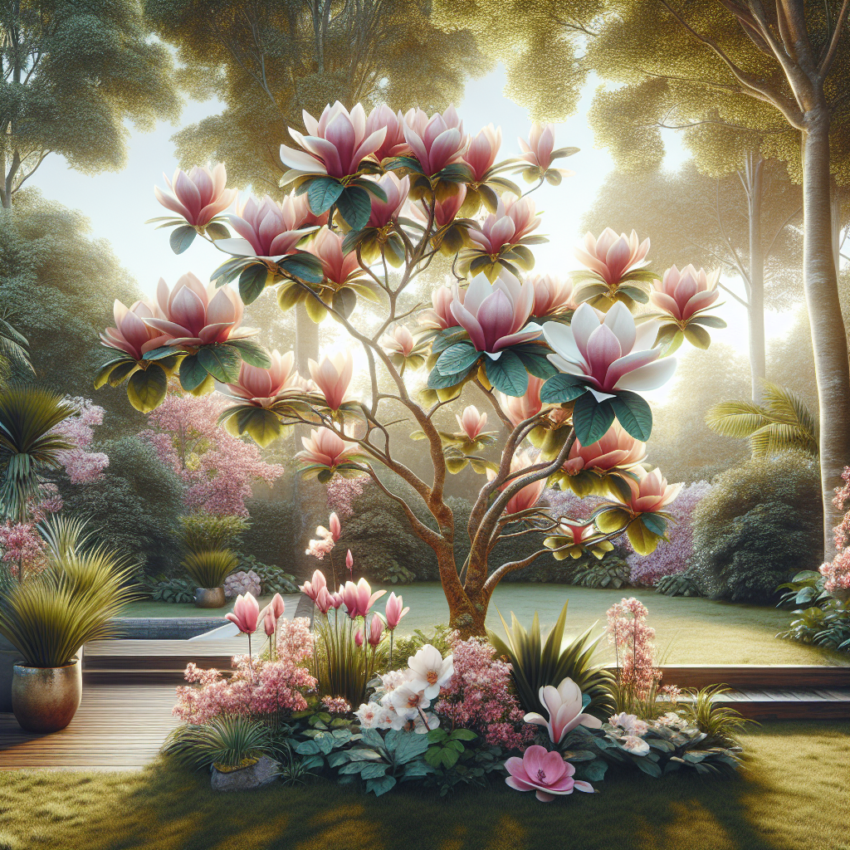
The Jane Magnolia, a stunning cultivar of the Magnolia species, is celebrated for its versatile beauty and adaptability. Many garden enthusiasts are captivated by this tree’s visually striking blossoms, which serve as a springtime spectacle. Jane Magnolia trees also boast resilience and are valued for their ability to thrive in various environments.
Understanding the Jane Magnolia
The Jane Magnolia tree, a result of hybrid breeding, produces large, vibrant blooms that range in hues from fuchsia to deep pink. Unlike some other magnolias, Jane Magnolias are known for their late spring blooming, which helps avoid damage from early frosts. This feature makes them a great choice for those living in regions with unpredictable spring weather.
In addition to being a feast for the eyes, the Jane Magnolia also serves as a beneficial addition to home landscapes due to its size and growth pattern. It typically reaches heights of 10 to 15 feet, making it a perfect fit for most gardens without overwhelming the space.
Benefits of Planting a Magnolia Jane in Your Garden
One of the key benefits of the Magnolia Jane is its versatility in garden design. Here are a few reasons why it can be an excellent choice for your home:
- Attractive Aesthetics: The vibrant blooms can dramatically enhance the visual appeal of any garden.
- Adaptability: Jane Magnolias are suitable for both suburban areas and urban environments.
- Low Maintenance: These trees require minimal pruning and are resistant to many common pests and diseases.
- Seasonal Interest: Aside from the spring blooms, their foliage provides a lush green appearance throughout the summer.
For those interested in incorporating other unique design pieces into their home decor, learning about vintage maps can provide a timeless trend that complements the natural beauty of the Jane Magnolia.
Caring for Your Jane Magnolia Tree
To ensure your Jane Magnolia thrives, consider the following care tips:
- Location: Choose a spot that receives full to partial sunlight to maximize flower production.
- Soil: Ensure well-draining soil to avoid waterlogging, which can be detrimental to magnolias.
- Watering: Provide regular watering, especially during dry spells, to maintain optimal soil moisture.
- Mulching: A layer of mulch can help retain soil moisture and suppress weeds around the base of the tree.
If you’re interested in the history and broader context of magnolia species, you can find detailed information in this Wikipedia article on Magnolia varieties. Exploring such resources can deepen your appreciation of these magnificent trees.
Popular Uses and Landscaping Ideas
The Jane Magnolia is often used as a focal point in landscape design due to its eye-catching blossoms and manageable size. Here are some creative ideas for incorporating it into your garden:
- Accent Plant: Position it as a standalone feature to draw attention and add vertical interest.
- Foundation Planting: Use it near the foundation of your home for a soft and welcoming visual effect.
- Garden Borders: Include it in garden borders to provide a stunning backdrop to lower-growing plants.
- Patio or Deck Sides: Plant it near outdoor living spaces to enjoy its beauty up close.
Conclusion: The Enduring Appeal of the Jane Magnolia
The Jane Magnolia continues to be a popular choice for garden enthusiasts seeking both beauty and practicality. With its striking blooms, adaptability to different climates, and low-maintenance nature, it remains a favored option for adding color and life to any garden landscape. Whether you are a seasoned gardener or a novice, integrating a Jane Magnolia into your outdoor space can provide years of enjoyment.
- The Jane Magnolia offers vibrant spring blooms.
- This tree is adaptable to different climates and regions.
- Magnolia Jane requires low maintenance, making it ideal for busy gardeners.
- Including it as a focal point can enhance your garden’s visual appeal.
What is the Jane Magnolia?
The Jane Magnolia is a hybrid magnolia tree known for its beautiful, late-blooming flowers that range in color from fuchsia to pink.
How large do Jane Magnolia trees grow?
Typically, Jane Magnolias reach a height of 10 to 15 feet, making them suitable for most garden spaces.
What are the care requirements for Jane Magnolia?
These trees prefer well-draining soil, full to partial sunlight, and regular watering, especially during dry periods.
Where can I plant a Jane Magnolia?
You can plant it in a garden as a focal point, along garden borders, or near patios and decks for added beauty.
Are Jane Magnolias suitable for urban environments?
Yes, Jane Magnolias are adaptable and can thrive in both urban and suburban settings, providing dramatic aesthetics without requiring extensive care.