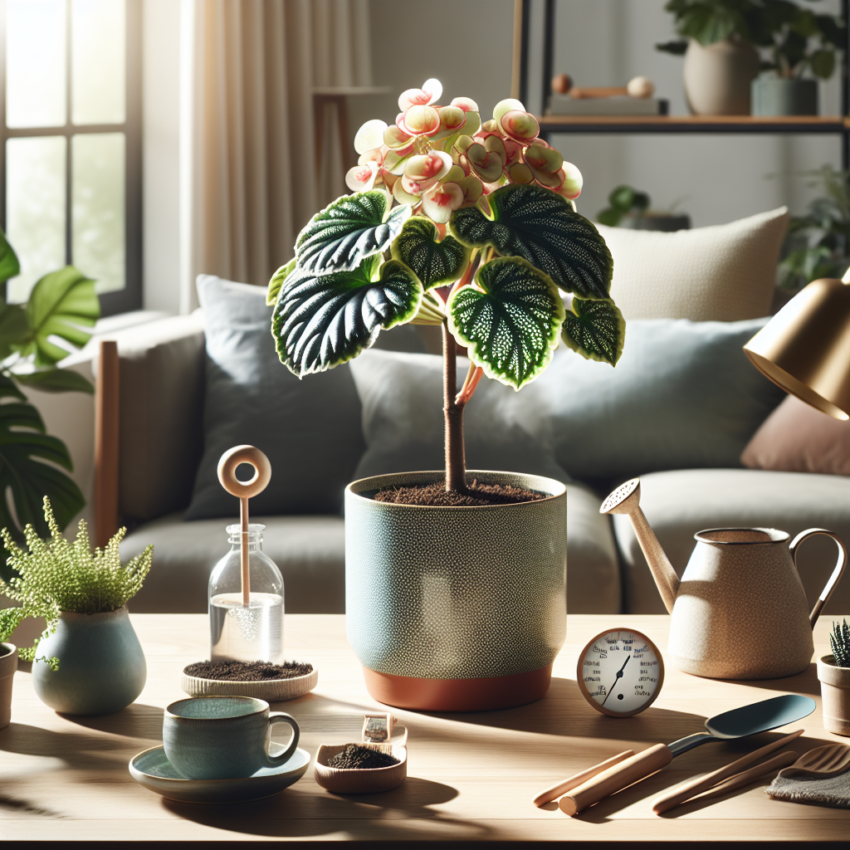
If you’ve ever strolled through a nursery or scrolled through houseplant hashtags, the captivating polka dot begonia surely caught your eye. This striking plant, known for its dotted leaves and vibrant colors, is a favorite among indoor plant enthusiasts. Whether you’re a new plant parent or a seasoned green thumb, understanding the care and beauty tips for your polka dot begonia will ensure it thrives in your home.
Understanding Your Polka Dot Begonia
The polka dot begonia, scientifically known as Begonia maculata, features stunning asymmetrical leaves adorned with distinctive white spots. Its beauty doesn’t end there; the plant often displays a reddish underside, providing a beautiful contrast. This tropical plant originates from the rich forests of Brazil, which explains its preference for humid environments and a bit of extra warmth.
Ideal Growing Conditions
To keep your polka dot begonia healthy, strive to replicate its native conditions. These plants thrive in indirect sunlight. Too much direct sun can scorch the leaves, while insufficient light may cause a loss of those signature white spots.
Regarding temperature, aim for a range between 65°F and 75°F, which is typical for most home environments. Humidity is crucial; therefore, a room humidifier or occasional misting can prove beneficial.
Watering and Feeding
Polka dot begonias prefer their soil to be kept slightly moist but never waterlogged. Allow the top inch of soil to dry out between waterings. This helps prevent root rot, which can be a common issue if the plant is overwatered. During the growing season, feed your plant with a balanced liquid fertilizer every couple of weeks to support its vibrant growth.
Potting and Soil
A well-draining potting mix is essential to prevent moisture-related issues. A mix containing peat, pine bark, and perlite works well. Ensure the pot has drainage holes to allow excess water to escape, protecting the roots from rot. Repotting every couple of years, or when the plant outgrows its current container, can keep the begonia healthy.
Decorative Tips Using Polka Dot Begonia
The polka dot begonia is not only a plant but a piece of living art. Its distinctive foliage adds intrigue wherever it’s placed—think of it as an accent piece that seamlessly fits any décor style. Whether alongside vintage maps on a gallery wall or as a stand-alone on a window sill, its placement can dramatically enhance the aesthetic of your space.
Companion Planting Ideas
Consider pairing your polka dot begonia with plants that have similar care needs. Peace lilies, snake plants, or ferns can complement their beauty and thrive in similar conditions, creating a lush and appealing indoor garden.
Pruning and Maintenance
Regular pruning encourages bushier growth and maintains the plant’s shape. Trim back any leggy growth and remove dead leaves or flowers. This not only keeps the plant looking its best but also promotes healthier growth overall.
Common Challenges and Solutions
Even the best plant parents face challenges. Yellowing leaves can indicate a watering issue, while fading spots may suggest incorrect lighting. Be attentive to these signals to adjust care practices accordingly.
Pests like spider mites can occasionally pose a threat. If you notice webbing or leaf damage, treat your plant with a gentle insecticidal soap or neem oil. Regularly check your plants to catch outbreaks early.
Conclusion
With its vibrant foliage and striking polka dot pattern, the polka dot begonia remains a popular choice for plant enthusiasts. By providing optimal lighting, moisture, and care, your begonia can thrive and add excitement to your indoor spaces. Remember, patience and attention are key to nurturing this stunning plant.
For more information on general health benefits of indoor plants, visit this comprehensive resource.
- The polka dot begonia is appreciated for its unique appearance and vibrant foliage.
- Ensuring the right light and humidity conditions is crucial for its growth.
- Regular feeding during the growing season helps maintain its brightness.
- Pruning promotes healthier and bushier growth.
- Watch for common issues like pests or watering problems and correct them promptly.
What type of soil is best for polka dot begonia?
Use a well-draining potting mix comprising peat, perlite, and pine bark to ensure proper drainage and prevent root rot.
How often should I water my polka dot begonia?
Water when the top inch of soil feels dry. Overwatering can lead to root rot, so ensure the soil is partly dry before re-watering.
Can polka dot begonias tolerate direct sunlight?
No, direct sunlight can scorch the leaves. They thrive in bright, indirect light, similar to what they’d receive in their native habitat under a forest canopy.
How do I improve humidity for my indoor plants?
You can increase humidity by placing your plant near a humidifier, misting it occasionally, or using a pebble tray with water.
What should I do if my plant gets leggy?
Prune leggy stems back. This encourages fuller growth and helps maintain the plant’s attractive appearance.