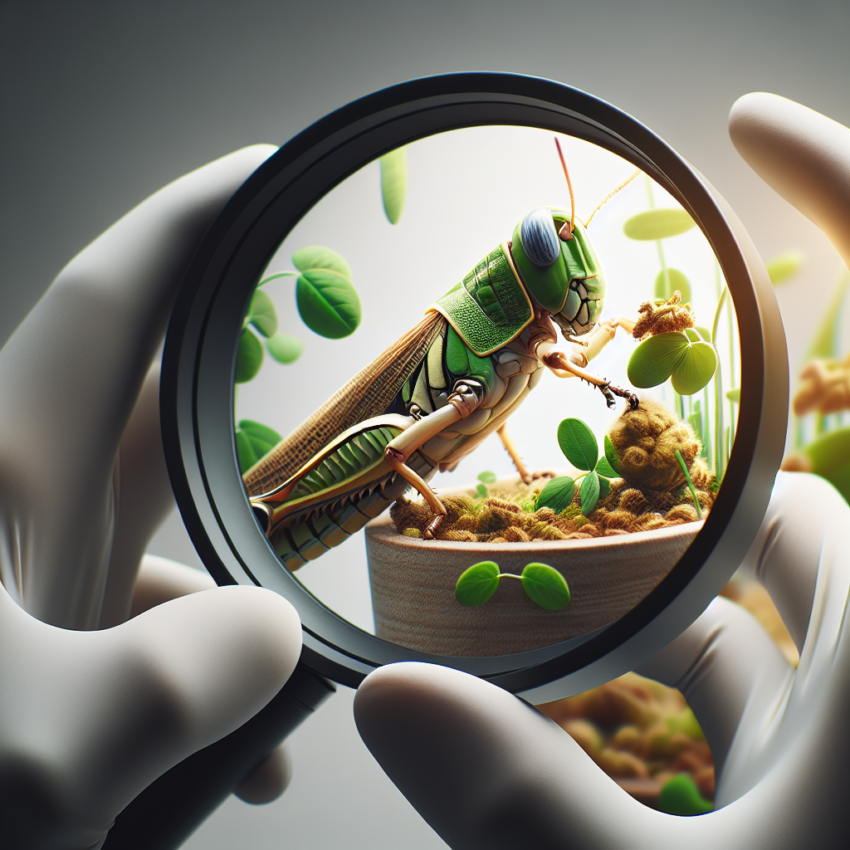
When pondering the intriguing question, what do grasshoppers eat, one enters an exploration into the dietary habits of these ubiquitous insects and their role within ecosystems. Grasshoppers, known for their powerful leaps and remarkable resilience, contribute significantly to environmental dynamics. Understanding their dietary practices sheds light on how they affect both vegetation and other species, maintaining a delicate ecological balance.
What Do Grasshoppers Eat?
Grasshoppers are primarily herbivorous, with their diet consisting mostly of grasses and leafy vegetation. They have a preference for grasses, which align with their natural habitat in meadows and fields, yet they are known to consume a variety of plants. This dietary choice allows them to play a crucial role in grazing ecosystems by helping control plant growth and maintain diversity.
However, grasshoppers are opportunistic feeders. When their primary food sources are scarce, they may consume shrubs, leaves, and even crops, making them both an asset and a challenge for farmers. This adaptability ensures their survival across various landscapes and changing environmental conditions.
Impact of Grasshoppers on Ecosystems
The diet of grasshoppers significantly influences biodiversity and plant populations. By feeding on plants, they help limit vegetation overgrowth, which can prevent certain species from becoming overly dominant. This control mechanism is vital for sustaining plant variety and supporting other forms of wildlife that rely on diverse flora for survival.
Additionally, grasshoppers serve as a food source for many animals, including birds, reptiles, and small mammals. Their position in the food chain underscores their ecological importance, as they convert plant matter into a more digestible form for higher trophic levels. Thus, maintaining a balance in grasshopper populations can benefit the entire ecosystem.
Human Implications of Grasshopper Diets
While grasshoppers contribute positively to ecosystems, human activities can sometimes lead to explosive population growth, resulting in swarms that devastate crops. Understanding environmental health and balance is crucial in managing these situations. Agricultural practices and environmental management strategies must consider the potential impact of grasshoppers to mitigate damages effectively.
Implementing strategic crop rotation, using pest-resistant plant varieties, and maintaining natural predators can help manage grasshopper populations. Balancing human agricultural needs with the natural dietary habits of grasshoppers is essential for sustainable coexistence.
Conservation and Research
Ongoing research focuses on understanding the deeper ecological roles of grasshoppers and their interactions with other species. Scientists are investigating how altering landscapes and climate change impact the habitats and dietary patterns of grasshoppers. Conservation efforts aim to protect these insects from the detrimental effects of habitat loss while preventing their populations from becoming overly abundant.
Moreover, studying the behavior and diet of grasshoppers can offer insights into ecological health and the resilience of various ecosystems. As stewards of the environment, humans must strive to maintain balance, recognizing the integral role these insects play in the natural world.
Conclusion: What Do Grasshoppers Eat and Their Role
In conclusion, the question of what do grasshoppers eat extends beyond their immediate dietary habits to encompass their broader ecological importance. These insects help regulate plant growth, support food chains, and contribute to biodiversity. By understanding and respecting their natural behaviors, humans can work towards preserving ecosystems while also managing agricultural impacts.
- Grasshoppers primarily eat grasses and leafy plants.
- They play a vital role in natural ecosystems, affecting plant diversity and serving as prey.
- Grasshopper outbreaks can lead to significant agricultural challenges.
- Conservation efforts focus on maintaining ecological balance.
- Research continues into their ecological roles and impact on biodiversity.
Frequently Asked Questions
Do grasshoppers eat other insects?
Grasshoppers are primarily herbivorous and do not usually consume other insects. Their diet is focused on vegetation.
Can grasshoppers cause damage to crops?
Yes, when in large numbers, grasshoppers can damage crops significantly, leading to economic loss for farmers.
Are grasshoppers beneficial to ecosystems?
Grasshoppers benefit ecosystems by helping control plant growth and serving as a food source for various animals.
How can farmers manage grasshopper populations?
Farmers can manage grasshopper populations through integrated pest management, which includes crop rotation and natural predators.
Where can I find more information about the impact of grasshoppers on ecosystems?
For more information on the impact of grasshoppers and their role in ecosystems, you can visit credible resources like Wikipedia’s section on Grasshoppers.