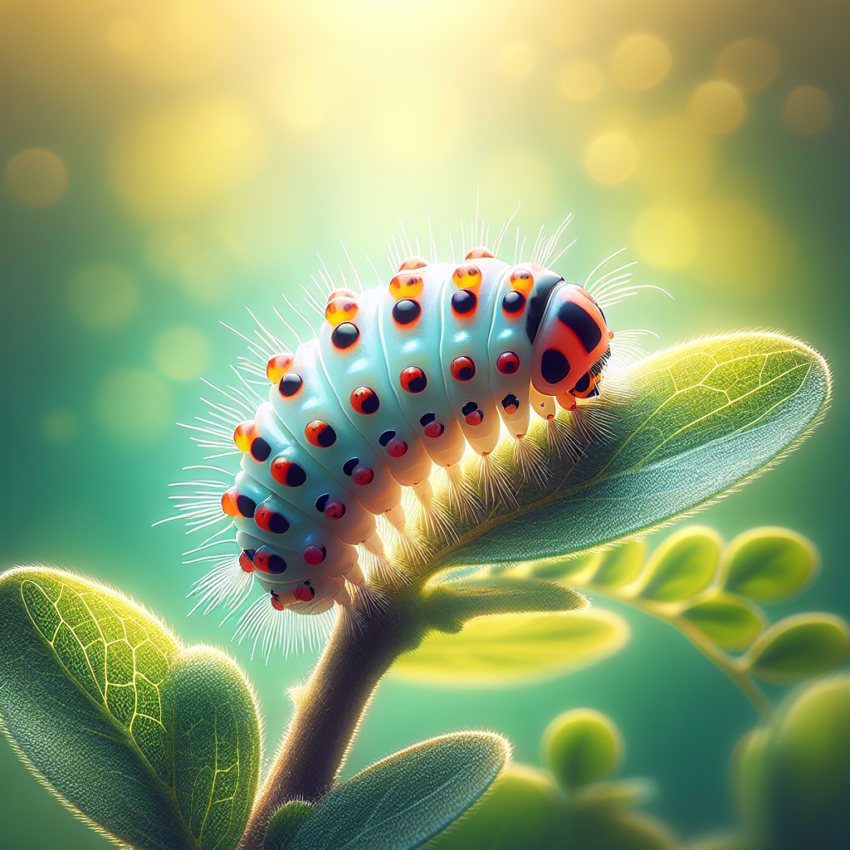
Ladybug larvae are fascinating creatures often overlooked in the spectrum of insect life stages. Unlike the familiar adult ladybugs with their bright red and black-spotted bodies, the larvae have an entirely different appearance and play a crucial role in their ecosystems. Recognizing the importance of these little-known stages aids in understanding how ladybugs contribute to pest control and biodiversity.
The Importance of Ladybug Larvae
Ladybug larvae, often mistaken for tiny alligators or pests themselves, are actually voracious predators of aphids and other garden pests. This role is essential in maintaining the balance within ecosystems, particularly in agriculture and home gardens. Larvae stage lasts for a few weeks, during which they consume large quantities of soft-bodied insects, helping to control populations naturally.
Appearance and Development
The lady bug larva resembles a miniature alligator with a long, spiky body and segmented texture. Unlike the brightly colored adults, larvae are usually black with orange or yellow markings. After hatching from eggs, they enter this larval stage and go through a series of molts before pupating into adult ladybugs.
The process from egg to adult ladybug can last several weeks, depending on environmental conditions like temperature and food supply. During this time, the larvae operate as effective and independent hunters, significantly impacting insect populations and benefiting crops. For more insights on effective pest management strategies, check out our guide on ensuring the best life for your pets.
The Role in Pest Control
One of the most beneficial aspects of ladybug larvae is their ability to control aphid populations naturally. Aphids, known for unrestrainedly feeding on plant sap, can damage crops and ornamentals if left unchecked. By preying on aphids, lady bug larvae serve as biological pest controllers, reducing the need for chemical pesticides.
This natural pest control extends beyond aphids. Ladybug larvae also feed on mites, whiteflies, and scale insects, making them invaluable allies in gardens and greenhouses. The presence of ladybug larvae thus indicates a healthy, balanced ecosystem that supports plant growth without harmful chemicals.
Encouraging Ladybug Populations
Creating a garden environment that attracts ladybugs begins with providing suitable habitats and avoiding pesticide use. By promoting ladybug-friendly plants, such as dill, fennel, and nasturtiums, gardeners can encourage ladybugs to take up residence. Ensuring an ample food supply by allowing a few pest populations to thrive can also invite ladybug larvae into the garden ecosystem, where they will naturally control pests.
Minimizing pesticide use is crucial. Chemicals can harm or repel ladybugs and their larvae, so opting for organic gardening practices helps preserve beneficial insect populations. Building and maintaining an insect-friendly landscape can create a sustainable environment where ladybugs and other beneficial insects can thrive.
A Closer Look at Ladybug Life Cycle
Understanding the life cycle of ladybugs unveils their importance in maintaining garden health. The cycle begins with eggs laid on the underside of leaves, which hatch into lady bug larvae. These larvae play a crucial role before transitioning into pupating and adult stages. Each stage uniquely contributes to ecological balance.
The journey from larva to adult ladybug involves significant changes. After consuming a great number of pests during their larval stage, they enter the pupal stage, eventually emerging as fully formed adult ladybugs. This transformation ensures continuity in their ecological role, supporting cycles of pest control.
For further reading on these remarkable insects, visit this detailed overview on Wikipedia.
In conclusion, ladybug larvae are an integral, though often underrated, segment of the natural world. Their presence not only signals a healthy ecosystem but also promises effective pest management naturally and sustainably. Encouraging these beneficial insects can significantly enhance garden and crop vitality.
- Ladybug larvae are vital in controlling aphid populations organically.
- These larvae can be attracted by planting ladybug-friendly plants and minimizing pesticide use.
- Their distinctive looks often lead to confusion with pests, yet they’re helpful allies.
- The life cycle of ladybugs—from eggs to adults—complements garden ecosystems.
- Understanding and supporting ladybug populations can lead to more sustainable pest management.
What do ladybug larvae look like?
Ladybug larvae are long, spiky, and segmented, often resembling tiny alligators with black and orange or yellow coloring.
How long does the ladybug larval stage last?
This stage typically lasts for several weeks, depending on factors such as temperature and food availability.
Do ladybug larvae eat plants?
No, ladybug larvae do not eat plants; they primarily feed on soft-bodied insects like aphids, helping to protect plants from pest damage.
Can ladybug larvae be harmful?
Ladybug larvae are not harmful. They are beneficial insects that play a crucial role in natural pest control by eating large quantities of garden pests.
Why should gardeners encourage ladybugs?
Gardeners should encourage ladybugs because they reduce the need for chemical pesticides, promoting a healthier and more environmentally friendly gardening practice.