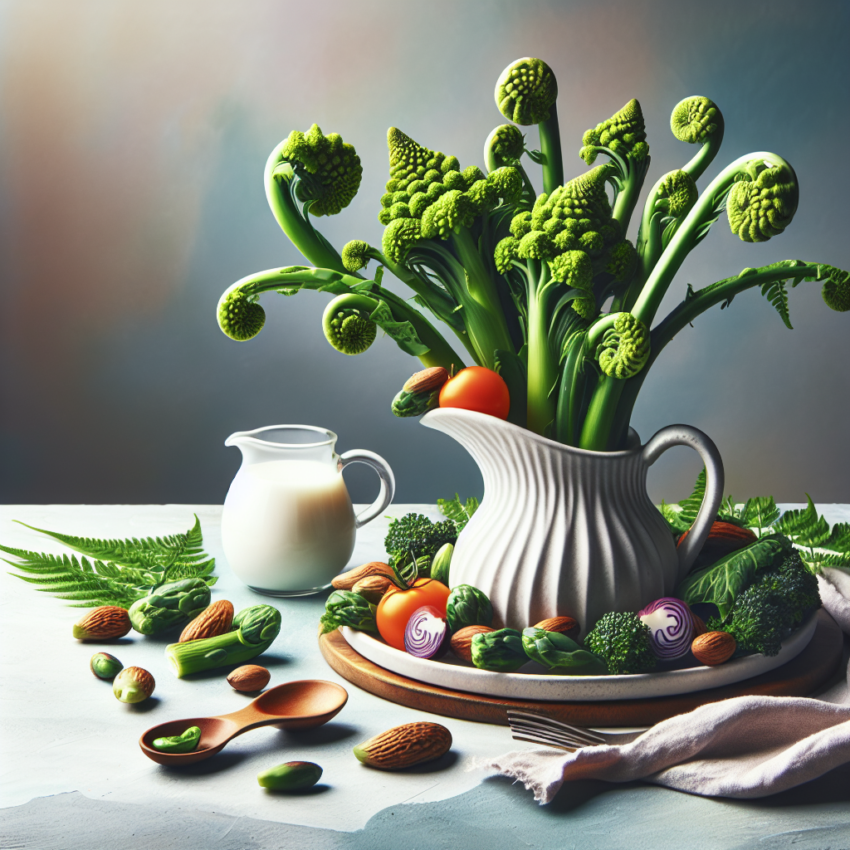
When it comes to exploring lesser-known vegetables with unique health benefits, fiddleheads are a fascinating discovery. The fiddleheads benefits have been gaining attention due to their potential nutritional value and culinary versatility. Often enjoyed in salads, stir-fries, and soups, these young fern fronds are packed with surprising health-supporting properties that make them a valuable addition to your diet.
Fiddleheads Benefits
Despite their intriguing appearance, fiddleheads are more than just a seasonal novelty. They boast an impressive nutrient profile that includes vitamins A and C, omega-3 fatty acids, fiber, and antioxidants. These elements combine to support your immune system, improve digestion, and may protect against certain diseases. Consuming fiddleheads may also contribute to maintaining healthy eyesight and potentially reducing inflammation in the body.
One of the remarkable benefits of fiddleheads is their high fiber content. Fiber plays a pivotal role in digestive health, helping to ensure regular bowel movements and preventing constipation. It also contributes to a feeling of fullness, which can aid in maintaining a healthy weight.
Nutritional Composition of Fiddleheads
Fiddleheads are a powerhouse of essential nutrients. They contain a significant amount of vitamin A, which is critical for maintaining healthy vision and immune function. Additionally, the vitamin C content in fiddleheads plays a crucial role in collagen production, helping to keep skin healthy and resilient.
Another noteworthy component of fiddleheads is their omega-3 fatty acid content. Omega-3s are essential fats known for their heart health benefits. Including omega-3-rich foods, like fiddleheads, in your diet may help reduce inflammation and decrease the risk of chronic diseases such as heart disease.
Incorporating Fiddleheads into Your Diet
To enjoy the fiddleheads benefits to the fullest, it’s essential to know how to prepare them properly. Fiddleheads should always be cleaned thoroughly and cooked before consumption to avoid any potential foodborne illnesses. They can be boiled, steamed, or sautéed and make an excellent addition to a variety of dishes.
Consider trying fiddleheads in a fresh, seasonal salad or as a unique component in a savory stir-fry. Their tender-crispy texture and slightly nutty flavor make them a versatile ingredient that can elevate a range of recipes.
The Role of Antioxidants in Fiddleheads
Fiddleheads are an excellent source of antioxidants, which play a vital role in protecting our cells from oxidative stress. Antioxidants combat free radicals, which are harmful molecules that can lead to cellular damage and increased risk of chronic diseases.
Consuming foods rich in antioxidants, like fiddleheads, can support your body’s natural defense mechanisms. This can potentially reduce the risk of conditions such as cancer, cardiovascular diseases, and neurodegenerative disorders.
For more on using natural remedies and supplements for specific health concerns, you might find this article on natural remedies for menopause brain fog helpful.
Potential Risks and Precautions
While fiddleheads offer numerous health benefits, it is essential to exercise caution when consuming them. Raw fiddleheads can harbor bacteria that may lead to foodborne illnesses if not cooked properly. Always ensure that you clean and cook fiddleheads thoroughly before eating them.
If you have any concerns or underlying health conditions, consider consulting with a healthcare provider before introducing fiddleheads into your diet. They can offer personalized advice based on your health needs.
Exploring Other Health Benefits
Beyond what has been mentioned, fiddleheads may also support brain health due to their nutrient density. The combination of vitamins, minerals, and healthy fats could contribute to cognitive function, although more research is needed in this area.
One way to stay informed about overall health and nutrition is to explore reputable sources. For further information on health-related topics, consider visiting this page on health.
The fiddleheads benefits are numerous and diverse, making them a worthwhile addition to your culinary repertoire. Whether you’re seeking to enhance your nutrition or simply enjoy exploring new flavors, fiddleheads have much to offer.
- Fiddleheads are rich in vitamins A and C, fiber, and antioxidants.
- They support immune function and may reduce inflammation.
- Always cook fiddleheads thoroughly to avoid foodborne illnesses.
- Incorporate fiddleheads into salads, stir-fries, and more for a nutritional boost.
- Antioxidants in fiddleheads help combat oxidative stress and support overall health.
What are fiddleheads?
Fiddleheads are young coiled fern fronds harvested for culinary use before they unfurl. They are seasonal vegetables known for their unique appearance and potential health benefits.
How should fiddleheads be prepared?
Fiddleheads should be thoroughly cleaned and cooked before consumption. They can be boiled, steamed, or sautéed to ensure safety and enhance their flavor.
Are there any risks associated with eating fiddleheads?
Yes, consuming raw or improperly cooked fiddleheads can result in foodborne illnesses. It’s critical to cook them thoroughly and follow safe food-handling practices.
Can anyone eat fiddleheads, or are there restrictions?
While most people can enjoy fiddleheads safely when properly prepared, individuals with specific health concerns should consult a healthcare provider before adding them to their diet.
Where can I find more information on the health benefits of fiddleheads?
You can learn about the health benefits of fiddleheads and other nutritional topics from credible sources like government health websites, educational institutions, and reputable health articles online.