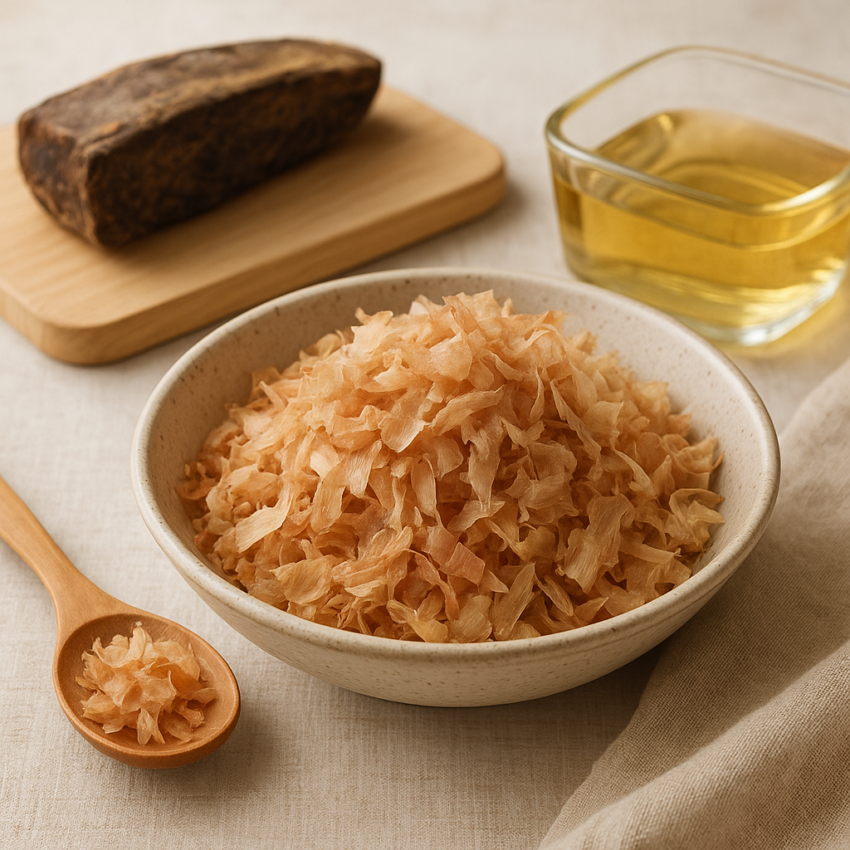
If you’re curious about bonito flakes and their culinary potential, you’re not alone. These delicate, paper-thin fish shavings are a staple in Japanese cuisine, known for their umami-rich flavor that enhances a wide range of dishes. Derived from dried, fermented, and smoked skipjack tuna, bonito flakes are more than just a seasoning; they offer versatility in the kitchen that can elevate your cooking to new heights.
Exploring the Culinary Uses of Bonito Flakes
Bonito flakes can be used in a variety of ways to add depth and flavor to your meals. They are a key ingredient in dashi, a traditional Japanese soup stock that forms the base of many dishes, including miso soup and noodle broths. After infusing these flakes in hot water, they release a savory essence that enhances the taste of many recipes.
Enhancing Soups and Stocks
Using bonito flakes in soups and stocks is a classic method to impart their distinctive umami flavor. To create a simple dashi, steep the flakes in boiling water and strain them out after a few minutes. This infused stock can then be used as a base for miso soup, ramen, or even a hearty chicken broth.
Adding Depth to Sauces and Marinades
Bonito flakes don’t stop at soups; they are excellent for enriching sauces and marinades. Their ability to provide a smoky, savory taste makes them ideal for enhancing teriyaki sauce or soy sauce-based marinades for fish or meats. Let the flakes soak in your marinade to release their flavor before using.
A Topping for Various Dishes
Beyond stocks and sauces, bonito flakes can be sprinkled directly on dishes as a garnish. Try them atop rice dishes, yakisoba, or omelets to add visual interest and a unique taste dimension. The heat from the dishes causes the flakes to dance, adding an engaging element to your meal.
Innovative Uses in Modern Cuisine
Chefs around the world are finding innovative ways to incorporate bonito flakes beyond traditional Japanese dishes. They’re being used to infuse butter for a complex spread, incorporated into savory custards, or even as a topping on gourmet pizzas. The possibilities are limited only by your culinary creativity.
For further insights on natural ingredients that may support cognitive health, visit our resource on natural remedies and supplements for menopause brain fog.
Health Benefits and Nutritional Aspects of Bonito Flakes
Bonito flakes are not just a taste powerhouse; they also offer nutritional benefits. They are a good source of protein, essential amino acids, and minerals like calcium and phosphorus. Incorporating them into your diet can help bolster your protein intake and support overall health.
Packed with Umami Flavor
Umami, often described as a fifth taste, is richly present in bonito flakes. This attribute makes them a valuable addition to dishes, allowing you to use less salt while enhancing flavor. A modest amount can significantly boost the taste profile of your cooking.
Cultural Significance and Culinary Tradition
In Japanese culture, bonito flakes hold a place of pride, showcasing the nation’s rich culinary heritage. They’re a testament to the careful processes of fermentation and drying, elements that are crucial in many Japanese condiments and seasonings.
To learn more about umami and its global culinary impact, you might find this Wikipedia article informative.
Tips for Selecting and Storing Bonito Flakes
When purchasing bonito flakes, look for a fresh aroma and vibrant color. They should be stored in a cool, dry place, preferably in an airtight container to retain their fragrance and texture. Exposure to air and moisture can dampen their flavor profile over time.
Consider investing in small packages if you don’t use them frequently, ensuring you always have fresh bonito flakes on hand for your culinary endeavors.
With their versatile use and unique taste, bonito flakes are a valuable addition to any kitchen. Whether you’re a seasoned chef or a home cook exploring new cuisines, the potential of these fish shavings is worth exploring.
Discover the Potential of Bonito Flakes in Your Kitchen
On your culinary adventures, bonito flakes can transform ordinary meals into delightful experiences. By incorporating them into dishes, you not only enrich flavors but also embrace a piece of culinary tradition. Remember, bonito flakes can significantly enhance your culinary creations.
- Bonito flakes are versatile in culinary applications, from soups to garnishes.
- They offer a unique umami flavor that can reduce the need for additional salt.
- These flakes also provide nutritional benefits, being a source of protein and minerals.
- They are central to traditional Japanese cooking but can be creatively used in other cuisines.
- Proper storage is essential to maintain their flavor and quality.
What are bonito flakes made from?
Bonito flakes are made from skipjack tuna that is dried, fermented, and smoked to produce thin, flavorful shavings.
How can I use bonito flakes in cooking?
They can be used to make dashi, a base for soups like miso, as well as to enhance sauces, marinades, and as a garnish for various dishes.
Do bonito flakes add nutritional value to dishes?
Yes, they are a good source of protein and provide essential amino acids and minerals, such as calcium and phosphorus.
Can bonito flakes substitute for salt?
While they can’t replace salt entirely, their umami flavor can reduce the need for excessive salting, enhancing the overall taste profile of dishes.
How should bonito flakes be stored?
Keep them in an airtight container in a cool, dry place to preserve their aroma and flavor for optimal use.