Dealing with poison ivy in your yard can be a challenging task. Knowing how to kill poison ivy effectively not only helps in restoring the beauty of your landscape but also safeguards your family and pets from its irritating effects. This guide will walk you through the most effective strategies to eliminate this pesky plant from your yard.
How to Kill Poison Ivy: Methods and Tips
Before tackling the removal of poison ivy, it is crucial to identify the plant accurately. Poison ivy typically has clusters of three shiny leaves, which can vary in shape. Identifying these characteristics will help you target the correct plant without harming other vegetation.
Manual Removal
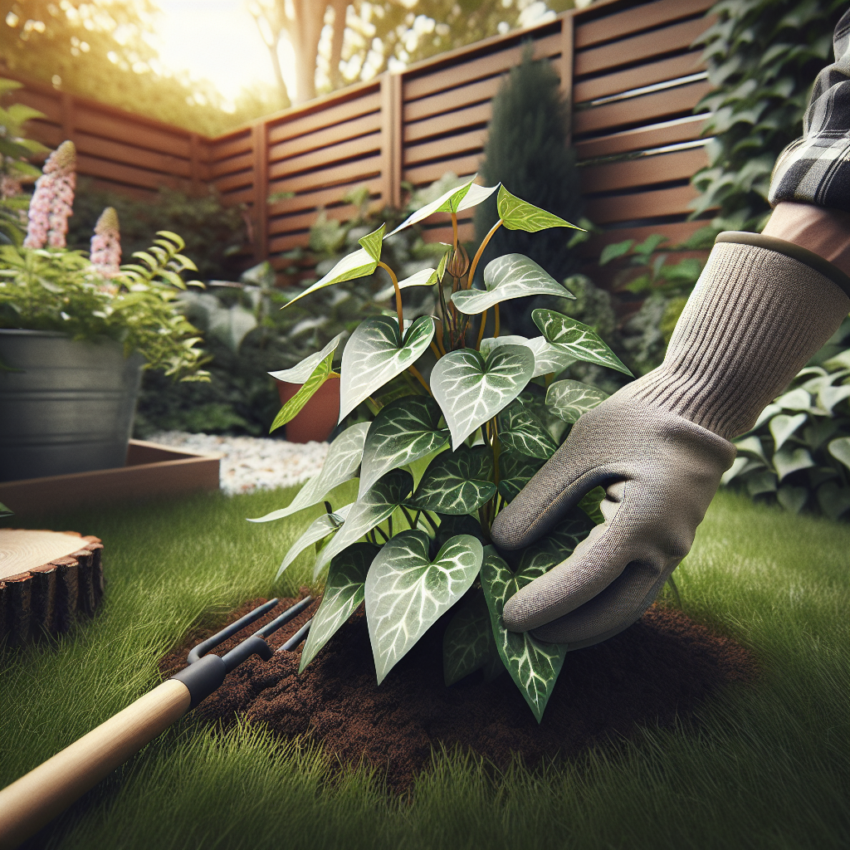
Manual removal is one of the most straightforward approaches. Equip yourself with protective clothing, including gloves, long sleeves, and goggles. Be aware that poison ivy’s resin can stick to fabric and transfer to the skin, causing rashes. Loosen the soil around the plant and gently pull the entire vine, including the roots, to prevent regrowth. Double-bag the plant and dispose of it according to local regulations. Avoid burning poison ivy, as the smoke can carry the oil that causes irritation.
Using Herbicides
For those looking for what kills poison ivy effectively, chemical herbicides can be a powerful option. Look for products containing glyphosate or triclopyr, specifically labeled for use on poison ivy. Apply the herbicide directly on the leaves, following the manufacturer’s instructions closely. Be mindful of the surrounding plants as these chemicals can kill non-target species.
Natural Solutions
For environmentally-conscious gardeners, natural remedies may be preferable. Vinegar solutions, made by combining equal parts of water and vinegar, can dehydrate the plant. Apply it generously to the leaves, taking care to avoid soil contact to prevent acidity buildup. Alternatively, a solution of salt and water can also impede poison ivy growth, though it may affect the soil quality.
Long-term Yard Maintenance
Maintaining a poison ivy-free yard requires consistent effort. Regular lawn mowing and pruning can prevent the growth and spread of poison ivy by reducing shaded areas where it thrives. Additionally, introducing plants that outcompete poison ivy, such as grass or other resilient ground covers, can minimize its recurrence.
For more insights on maintaining a healthy and safe yard, check out our in-depth health resources over at our health category.
Precautions and Safety
Always use caution when attempting to remove or kill poison ivy. Direct skin contact with any part of the plant should be avoided. If such contact occurs, it is recommended to wash the affected area immediately with soap and water. In cases of severe reaction, consult a healthcare professional.
For a comprehensive overview of poisonous plants and their effects, you can refer to this detailed article on Health.
Final Thoughts
Knowing how to kill poison ivy effectively is a valuable skill for any homeowner. By choosing suitable removal strategies and taking the necessary precautions, you can enjoy a safer, more beautiful yard.
- Identify poison ivy by its three-leaf clusters.
- Remove ivy manually with precautions or use herbicides.
- Natural solutions like vinegar and salt offer alternative methods.
- Maintain your yard with regular pruning and competitive planting.
- Always practice safety when handling poison ivy.
FAQs
What is the best time to remove poison ivy?
The best time to remove poison ivy is during the spring or fall when the plant is actively growing but easier to spot before other foliage appears.
Can poison ivy rash spread through contact with pets?
Yes, pets can transfer poison ivy oil to humans. It’s important to wash your pet’s fur and skin thoroughly if they have been in areas with poison ivy.
How long does poison ivy take to die after applying herbicides?
Poison ivy usually starts to die within a few days after applying herbicides, but it may take a couple of weeks to see complete results.
Are there any home remedies for treating poison ivy rashes?
Calamine lotion and antihistamine creams can help relieve itching. Cold compresses and oatmeal baths can also soothe the skin.
Is it safe to burn poison ivy?
No, burning poison ivy can release toxic fumes that can be harmful if inhaled. Always opt for safe disposal methods.