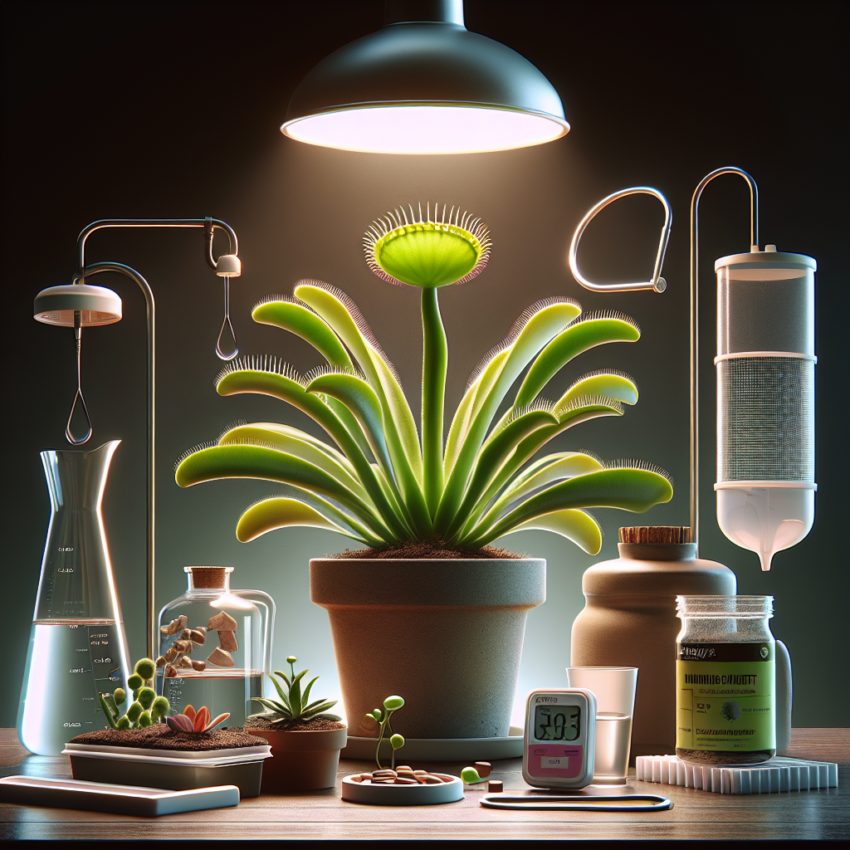
Are you intrigued by the unique allure of carnivorous plants and wondering how to indulge your green thumb with remarkable specimens like the Venus Fly Trap? Venus fly trap care may seem intimidating, but with the right attention to their ecological needs, these fascinating plants can thrive. Let’s delve into what it takes to keep your Venus fly trap healthy and vibrant, exploring essential tips for their care.
Understanding Venus Fly Trap Care
The Venus Fly Trap, scientifically known as Dionaea muscipula, is native to coastal North and South Carolina. When considering venus fly trap care, it’s crucial to mimic the plant’s natural environment as much as possible. These plants thrive in high humidity and love a sunny spot, making lighting a key aspect of care.
Light Requirements
One of the primary considerations in looking after a Venus fly trap is ensuring it receives sufficient light. Aim for about 12 hours of sunlight per day. If outdoor placement isn’t feasible, a sunny windowsill or providing supplemental light with a fluorescent lamp can suffice. Venus flytraps appreciate bright light, which keeps them healthy and supports their growth year-round.
Soil and Water Needs
Use a well-draining soil mix suitable for carnivorous plants—often a blend of sphagnum peat moss and perlite—but be sure to avoid regular potting soil, which can harm flytraps. Water your plant with distilled water or rainwater, as tap water might contain minerals that can damage the roots. Maintain soil moisture without oversaturating.
Feeding Your Venus Fly Trap
How to care for fly traps in terms of feeding? Venus Fly Traps are adept at catching their meals, usually insects, but indoor plants may need a little help. Offer occasional live flies or small insects, ideally one food item per trap every couple of weeks. During their dormancy period in winter, feeding should be minimal.
Dormancy and Seasonal Care
Understanding the dormancy cycle is vital for venus flytrap care. In winter, Venus Fly Traps enter a resting period, wherein they require cooler temperatures and less frequent watering. This period can last up to three months and is crucial for their long-term health.
Common Challenges and Solutions
Looking after a Venus fly trap comes with challenges, but many common issues, such as blackening leaves or mold development, can often be overcome. Poor lighting, overwatering, and feeding errors are typical culprits. Adjustments in care techniques often resolve these concerns, helping plants bounce back.
If you’re interested in plant care and exploring the health benefits of various compounds, you might enjoy our article on surprising benefits of peptides for muscle growth, which highlights how elements of natural origin influence wellness and health.
Integrating Venus Fly Traps into Your Home
Beyond learning how to care for fly traps effectively, consider how these intriguing plants can add interest to your home decor. Their visually striking nature captivates and inspires conversation, while they also contribute to a fascinating mini-ecosystem you can observe.
Final Thoughts on Venus Fly Trap Care
In summary, successful venus fly trap care involves providing adequate light, appropriate water and soil, and respecting their natural growth cycles. Patience and attention to their unique needs will ensure these captivating plants thrive, offering you years of fascination and enjoyment. If you’re hungry for more information about unique plant care and health, an informative resource is available at Wikipedia’s article on carnivorous plants.
- Provide 12 hours of bright light daily.
- Use rainwater or distilled water only.
- Understand and respect their dormancy needs.
- Feed with live, small insects sparingly.
- Avoid regular potting soil; opt for a specialized mix.
FAQs on Venus Fly Trap Care
How often should I water my Venus Fly Trap?
Water whenever the soil starts drying out, ensuring it remains moist but not waterlogged. Adjust according to seasonal changes.
Can I feed my Venus Fly Trap human food?
It’s best to avoid feeding human food. Stick to small live insects that fit comfortably within the trap.
Is it normal for traps to turn black?
Yes, it’s natural for traps to blacken and die after digesting insects or at the end of their life cycle. Remove dead traps to encourage new growth.
What temperature is best for a Venus Fly Trap?
Venus Fly Traps thrive in temperatures between 70-95°F in the summer and cooler temps during their winter dormancy period.
Do I need a special pot for my Venus Fly Trap?
Choose a pot with good drainage. A plastic pot is often preferred to retain moisture, avoiding any materials that could leach minerals into the soil.