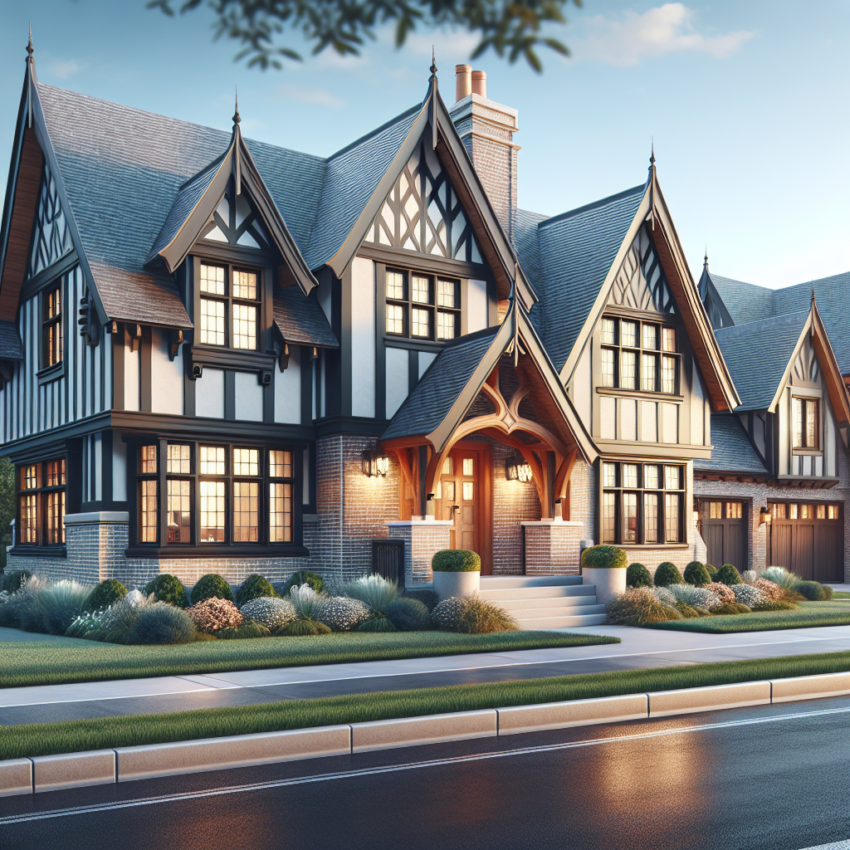
The allure of a Tudor style house lies in its fascinating blend of architectural elegance and historical charm. Derived from the English Tudor period, these homes boast distinctive features such as steeply pitched roofs, decorative half-timbering, and embellished doorways. It’s no wonder that these elements have captured the hearts of homeowners and architects alike. Let’s delve into the characteristics that have made Tudor style homes a timeless favorite.
Key Features of a Tudor Style House
The characteristic features of Tudor style homes set them apart from other architectural styles. Key elements include a combination of materials like stone, brick, and timber, which give these homes a unique and authentic appearance. The facade often showcases an intricate mix of textures and patterns, offering visual interest and depth. Additionally, the distinctive steeply pitched roofs and prominent chimneys add a sense of grandeur to Tudor homes.
The Beauty of Half-Timbering
One of the most iconic aspects of the Tudor house style is its decorative half-timbering. This feature involves a series of exposed wooden beams set against a contrasting backdrop, typically made of stucco or masonry. The distinctive pattern is not only aesthetically pleasing but also contributes to the structural integrity of the building. This architectural detail harks back to medieval construction techniques and remains a hallmark of Tudor designs.
Interior Design Elements of Tudor Style Homes
Inside a Tudor style house, you can expect to find cozy and inviting spaces that reflect the historical roots of this architectural style. The interiors often feature wood paneling, ornate ceilings, and large fireplaces, all of which add warmth and character. The use of rich, dark woods and intricate carvings further enhance the feeling of elegance and provide a sense of continuity from the exterior to the interior.
The Role of Windows
The windows of Tudor homes are typically tall and narrow with multiple smaller panes, often grouped in bands for an impressive effect. These windows sometimes feature diamond-shaped leaded glass, which adds a touch of medieval authenticity. Despite their historical character, these window designs can be adapted with modern energy-efficient technologies to suit contemporary living while retaining their traditional charm.
Modern Adaptations of Tudor Homes
While some might consider Tudor homes as relics of the past, they have been successfully adapted to meet contemporary needs. Modern Tudor homes incorporate modern-day amenities while preserving the essence of their historical architecture. This careful blend of new and old ensures that the charm of the Tudor style is maintained, making them an attractive option for today’s homeowners.
Incorporating vintage elements, like decorating your home with vintage maps, can further enhance the stylistic coherence of a Tudor house style interior by adding a sense of history and exploration to your living space.
Preservation and Restoration
Preserving the original features of Tudor style homes is crucial to maintaining their historical value and charm. Whether you are engaging in restoration work or making enhancements, it’s essential to respect the architectural integrity of the structure. Careful consideration during renovation ensures that the unique allure of these homes is retained for future generations. For guidance on historical restoration, consult expert resources or local heritage organizations.
Conclusion: The Enduring Appeal of the Tudor Style House
The magical allure of a Tudor style house remains undeniable. With its distinctive architectural features, rich historical roots, and ability to adapt to modern living, it continues to captivate homeowners and history enthusiasts. As you explore this fascinating style, you may discover a deeper appreciation for its unique place in architectural history. For more on the cultural context and evolution of Tudor architecture, visit Wikipedia’s article on Tudor Architecture.
- Tudor style homes showcase a unique blend of historical charm and elegance.
- Key architectural features include steep roofs, half-timbering, and prominent chimneys.
- Interiors often display wood paneling, ornate ceilings, and large fireplaces.
- Modern adaptations retain the style’s character while adding contemporary amenities.
- Preservation efforts are key to maintaining historical integrity.
What are the main characteristics of a Tudor style house?
A Tudor style house is characterized by its steeply pitched roof, decorative half-timbering, prominent chimneys, and a mix of materials such as stone, brick, and timber. The interior often features wood paneling, ornate ceilings, and large fireplaces.
How have Tudor homes been adapted for modern living?
Many Tudor homes have been adapted for modern living by incorporating contemporary amenities while preserving the historical charm and architectural features. This blend allows homeowners to enjoy modern convenience without sacrificing the design’s unique style.
Why are windows an important feature in Tudor style homes?
Windows in Tudor style homes are tall and narrow, often with diamond-shaped leaded glass. They contribute to the historical authenticity and visual appeal of the architecture, playing a significant role in defining the home’s overall character.
How can I incorporate Tudor elements into my home’s interior?
Incorporating rich, dark wood accents, decorative half-timbering, and vintage elements such as maps or period-style furniture can add Tudor character to your home’s interior, creating a cohesive and historically inspired aesthetic.
Where can I learn more about Tudor architecture?
For more information on Tudor architecture, consult reliable sources such as the Wikipedia article on Tudor Architecture or contact local heritage organizations for educational resources and experts in historical preservation.