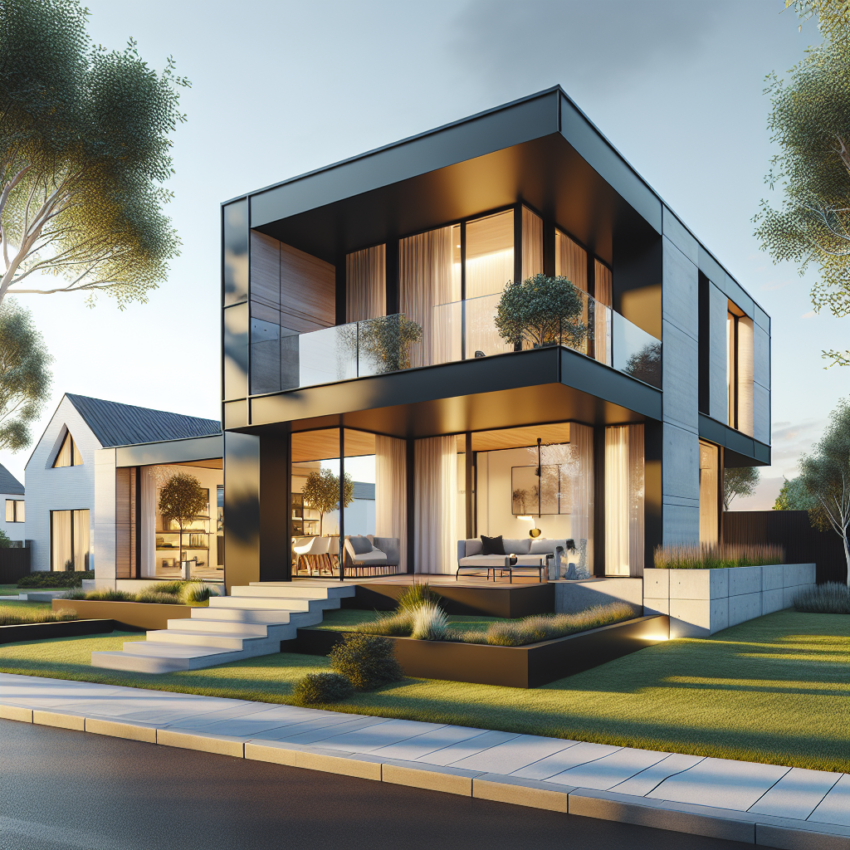
The concept of the blacking house has captivated design enthusiasts searching for innovative architectural styles. Known for its unique aesthetic and historical significance, the blacking house represents a fusion of tradition with contemporary design elements. This type of dwelling often highlights minimalist features, yet it is the striking black exterior that truly sets it apart, creating striking contrasts in various environments.
The Allure of the Blacking House
The blacking house owes its charm to its distinct, dark facade. This bold choice creates a dramatic visual statement that is both modern and timeless. Unlike the more common white or pastel-colored structures, the blacking house commands attention and exudes sophistication. The dark exterior not only stands out aesthetically but also has practical benefits. It absorbs heat efficiently, offering potential energy savings in cooler climates.
Designers exploring the blacking house style often opt for sleek lines and minimalistic features, allowing the exterior color to take center stage. The clean design principles of a blacking house ensure that every element has a purpose, creating a harmonious balance between form and function.
Integration with Nature
One of the striking aspects of a blacking house is how it integrates with its natural surroundings. The use of black can complement lush greenery in rural areas or contrast effectively against snow-covered landscapes. This type of architectural design allows the structure to either blend seamlessly with nature or act as a focal point, providing versatility in various settings.
The blacking house also emphasizes sustainability. Many architects incorporate eco-friendly materials and designs that help a building coexist with the natural environment without causing harm. For those interested in sustainable home trends, such integration provides an opportunity to implement green living practices effectively. If you’re inspired by blending vintage aesthetics with modern sustainability, check out this article on decorating your home with vintage maps.
Historical Context: The Origin of Blacking House
The blacking house has its roots in Scandinavian architecture, where maximizing limited natural light led to the innovative use of dark exteriors. Historically, these houses were practical, utilizing local materials like wood and tar, which served as weatherproofing in harsh climates. Today, the blacking house is celebrated for its heritage while being embraced by modern architects who appreciate its chic and sustainable design.
This architectural influence has crossed borders, with blacking houses now seen in diverse climates worldwide. They carry with them a legacy of thoughtful design that expertly marries function with visual appeal.
Modern Design Elements
While the exterior color might be the most notable aspect of a blacking house, the interior design deserves equal attention. Often, the interior spaces of a blacking house are airy and filled with natural light, courtesy of large windows strategically placed to contrast with the dark exterior.
The open floor plan is another hallmark of the blacking house design. This layout promotes flexibility and adaptability, accommodating various lifestyle needs and making the most of available space. Minimalist furniture choices and a muted color palette inside further accentuate the sleek, modern aesthetic.
Functionally, today’s blacking homes might include smart home technologies and energy-efficient systems to enhance comfort and reduce environmental impact, aligning with modern living standards.
Embracing the Blacking House Trend
For homeowners considering a blacking house, the possibilities are expansive. This design approach is adaptable, suitable for suburban neighborhoods or isolated natural settings. The bold exterior ensures that whether standing alone or alongside other homes, a blacking house makes an unforgettable statement.
One should consider local architectural guidelines and climate considerations when planning a blacking house. Professional advice from architects familiar with this style can ensure a successful and aesthetically pleasing result.
Why Choose a Blacking House?
Opting for a blacking house is about more than just aesthetics—it’s a commitment to creating a space that reflects modern values of sustainability, simplicity, and elegance. The rising popularity of this architectural style demonstrates a shift towards homes that are not only beautiful but also smartly integrated within their environments.
Discover more about architectural styles and trends on informative sites like Wikipedia, where you can delve into comprehensive discussions on various design influences.
Conclusion: The Timeless Appeal of the Blacking House
The blacking house continues to inspire homeowners and architects alike with its bold aesthetic and practical benefits. As more people seek out designs that speak to both form and functionality, the blacking house stands out as a model of modern refinement. Whether renovating an existing structure or crafting a new home, the distinctive charm of the blacking house promises to leave a lasting impression.
- The blacking house combines historical charm with modern design elements.
- Its dark exterior provides a distinctive aesthetic and practical energy efficiency.
- Integration with nature and sustainability is a key feature.
- Interior design emphasizes openness and minimalism.
- This architectural style is adaptable to various environments.
What is a blacking house?
A blacking house is a type of dwelling known for its distinctive black exterior and minimalist design, often inspired by Scandinavian architectural traditions.
Why do architects choose black for the exterior?
The black exterior is chosen for its dramatic visual impact and its ability to blend or contrast with natural surroundings, as well as its energy efficiency in certain climates.
Can a blacking house be energy efficient?
Yes, blacking houses can be energy efficient by utilizing their dark color to absorb heat and incorporating energy-saving technologies and sustainable materials.
Are blacking houses only suitable for certain climates?
While popular in cooler climates for their heat absorption qualities, blacking houses can be adapted with proper insulation and design considerations for a variety of environments.
What materials are typically used in constructing a blacking house?
Common materials include wood treated with stains or paints for the dark exterior, alongside modern eco-friendly materials that support sustainability and durability.