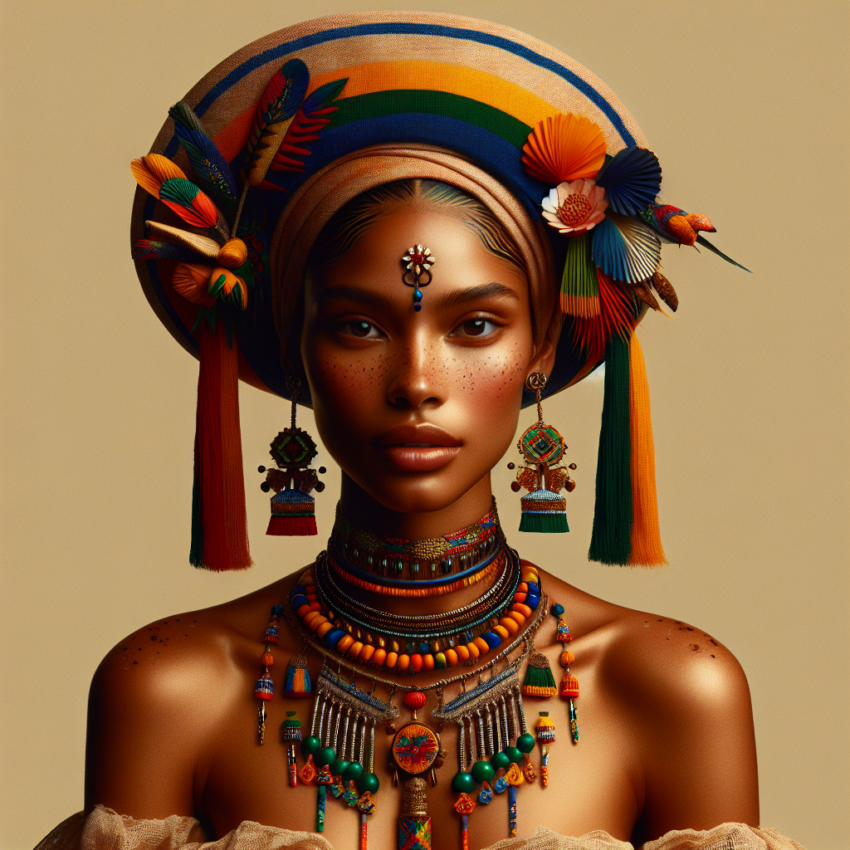
In exploring the cultural connections between Surinam and Mexico, a fascinating tapestry of influences, traditions, and shared history emerges. These two regions, though geographically distant, have developed unique interactions that have shaped various aspects of their societies and cultures. From culinary exchanges to musical influences, the bond between Surinam and Mexico is both intriguing and complex.
The Historical Ties of Surinam – México
The historical connections between Surinam and México can be traced back to colonial times when European powers established trade routes that linked various regions in the Americas. These routes facilitated a cross-cultural exchange that allowed for the blending of traditions and customs. For instance, both Surinam and Mexico were once colonies, which may have led to shared experiences and influences as they navigated their paths to independence.
As a result, aspects such as language, religion, and art were influenced by these colonial interactions. The melding of indigenous traditions with European and African influences has contributed to the rich cultural landscapes we see today in both Surinam and Mexico.
Shared Culinary Traditions
One of the most delightful ways to explore the cultural connections between Surinam and Mexico is through their culinary traditions. Both countries boast vibrant and diverse cuisines that reflect their rich histories. Surinamese and Mexican dishes often feature a wonderful blend of spices and flavors, showcasing ingredients such as corn, beans, and a variety of fresh herbs.
Mexican cuisine has made a notable impact globally, with dishes like tacos and enchiladas captivating palates worldwide. Similarly, Surinamese cuisine is known for its array of flavors influenced by African, Asian, and Indigenous cooks. By exploring these culinary traditions, one can understand the deep-rooted cultural exchange between Surinam and Mexico.
Music and Dance: A Fusion of Rhythms
Music and dance provide another fascinating dimension to the cultural interplay between these regions. Both countries have vibrant musical traditions that have been shaped by a multitude of influences. In Mexico, genres such as mariachi and norteño music highlight the blending of indigenous sounds with Spanish instruments.
Surinam, on the other hand, features a unique musical style known as Kaseko, which is characterized by its lively African rhythms and melodies. Through festivals and community gatherings, music becomes a medium that transcends borders, encouraging appreciation and participation across cultures.
The Role of Festivals in Cultural Exchange
Festivals offer a platform for cultural exchange and understanding between Surinam and Mexico. They serve as an opportunity for people from both regions to celebrate their heritage, art, and traditions. Events such as Carnival in Surinam and Día de los Muertos in Mexico allow individuals to participate in, appreciate, and learn from each other’s customs.
Participating in these vibrant celebrations helps strengthen the cultural ties between the two countries, encouraging unity and appreciation for diversity. Such interactions are essential for fostering international friendships and understanding in today’s interconnected world.
Surinam – México: A Growing Connection in the Modern World
In the modern era, the connection between Surinam and México continues to grow thanks to advancements in technology and global travel. These tools facilitate the exchange of ideas, allowing for greater communication and collaboration. Cultural associations and educational exchanges have further propelled the relationship between the two regions.
With the internet and social media, people from Surinam and Mexico can easily share their customs, language, and art with a global audience. This open exchange ensures that cultural traditions are celebrated and preserved for future generations. For more insights on international cultural connections, explore our article on unexpected supplements aiding brain health.
Conclusion: Embracing the Surinam – México Connection
The enduring connection between Surinam and México is a testament to the power of cultural exchange. As these regions continue to interact and learn from one another, they enrich their own cultures and contribute to a more connected world. The surinam – méxico relationship exemplifies how cross-cultural connections can transcend time and distance, creating a legacy of shared history and traditions.
- The historical connections between Surinam and Mexico from colonial times have influenced their modern cultures.
- Culinary and musical traditions both highlight the vibrant cultural interplay between the two regions.
- Festivals play a significant role in promoting cultural understanding and exchange.
- Modern technology continues to strengthen the bond between Surinam and Mexico.
- The surinam – méxico relationship exemplifies the positive impact of cross-cultural interactions.
What historical factors influenced the connection between Surinam and Mexico?
Colonial trade routes and shared experiences under European colonization established initial ties between Surinam and Mexico, influencing their cultural landscapes.
How do Surinamese and Mexican cuisines reflect their cultural connections?
Both cuisines showcase a blend of indigenous and external influences, featuring shared ingredients such as corn and beans, resulting in diverse and flavorful dishes.
What role does music play in the cultural exchange between the two regions?
Music serves as a medium for cultural expression and connection, with both regions showcasing unique blends of indigenous and global influences in their musical traditions.
How do festivals contribute to the Surinam – México connection?
Festivals provide platforms for celebrating cultural heritage, encouraging appreciation, and learning from each other’s traditions, strengthening international ties.
How has modern technology impacted the relationship between Surinam and Mexico?
Technology and social media facilitate communication and cultural exchange, allowing people from Surinam and Mexico to share and celebrate their diverse cultures globally. For further information on cultural and health-related topics, check out this resource.