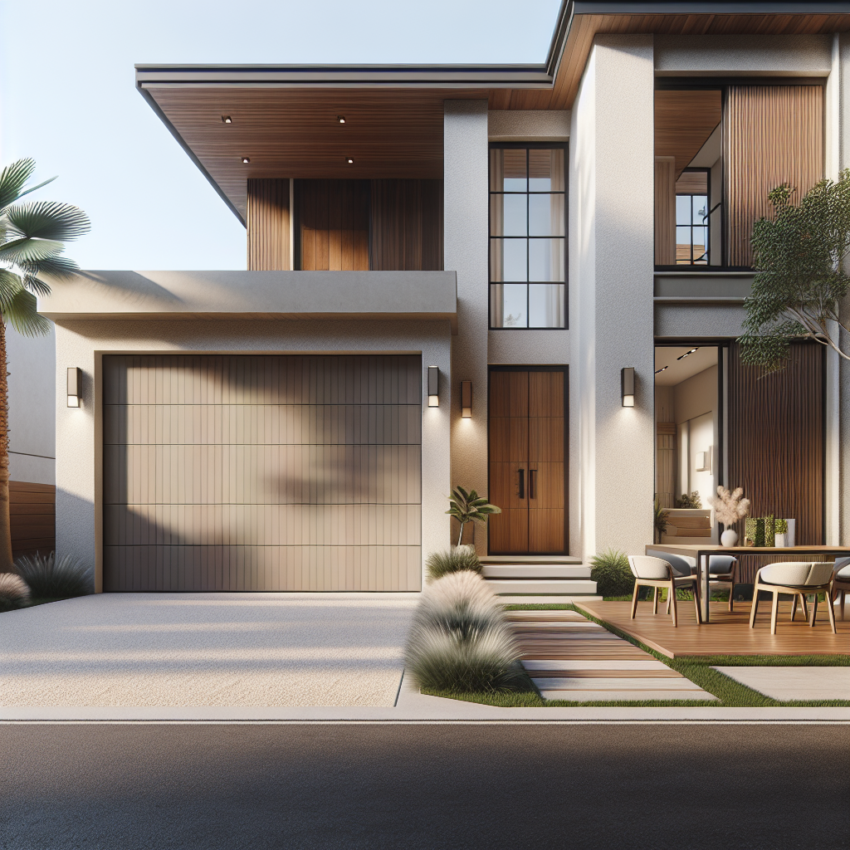
When embarking on the journey to choose the right garage door for your home, understanding standard garage door sizes is crucial. Knowing these dimensions not only helps streamline the purchasing process but also ensures that the door fits perfectly within your existing garage structure. Garage doors come in various sizes, meeting the needs of different homes and purposes. Whether you’re replacing an old door or building a new garage, this guide aims to simplify your decision-making with comprehensive information on garage door sizes.
Understanding Standard Garage Door Sizes
Standard garage door sizes typically fall into two main categories: doors designed for single vehicles and those intended for double vehicles. Single-car garage doors are commonly 8 to 9 feet wide and 7 to 8 feet high. However, for larger vehicles or custom orders, these doors can extend up to 10 feet in width.
Double-car garages typically feature doors ranging from 12 to 16 feet wide, with the height generally being similar to that of a single-car garage. For larger vehicles like trucks or SUVs, height adjustments up to 10 feet are common. It’s important to consider future needs, such as purchasing a larger vehicle, which may necessitate a bigger garage door.
Choosing the Right Size for Your Needs
Your personal requirements and the intended use of the garage will greatly influence the choice of garage door size. For households with more than one vehicle, a double-door is often the best solution. Alternatively, separate single doors may be preferred for allowing independent access to each vehicle.
Having accurate measurements of your garage’s interior space is essential. Factors such as the depth, width, and height of the garage will impact the size and type of door you’ll need. Professional measurements and installations are advisable to avoid issues with fitting and to ensure optimal functionality.
Customizing Your Garage Door
If standard sizes do not meet your needs, custom garage doors offer a range of options to tailor the door to your specific requirements. Custom sizes can address non-standard garage opening dimensions or accommodate aesthetic preferences. These doors are particularly useful in older homes or unique architectural designs where standard sizes may not fit seamlessly.
While custom doors are generally more expensive, their ability to enhance both functionality and curb appeal makes them a worthwhile investment. Consider discussing options with a professional for advice tailored to your garage’s specific dimensions.
Impact on Costs
The size of the garage door can significantly affect the overall cost of your garage renovation or build-out. Larger or custom door installations typically entail higher material costs and installation fees. However, a proper fit can prevent future expenses related to repairs or replacements.
Additionally, investing in a well-sized and well-fitted garage door can improve energy efficiency and reduce heating costs, especially in climates with extreme temperatures. Consider reading about how such investments can further affect home improvement projects, which can be found here.
Technological Enhancements in Garage Doors
Modern garage doors are equipped with various technological features that enhance security and convenience. From smart technology that allows control through a mobile app to energy-efficient insulation options, these advancements can add significant value to your garage door investment.
When selecting a door, consider not only the size but also these technological enhancements which make operation smoother and provide additional layers of security. It’s wise to explore features such as security alarms and motion detectors to enhance safety for your family and belongings.
Conclusion: The Right Fit for Your Home
Finding the perfect fit in standard garage door sizes hinges on understanding your home’s specific needs and planning for future requirements. A well-measured and correctly installed garage door can add to home value, functionality, and curb appeal. As you educate yourself about the sizes available and consider factors like cost, technology, and customization, you’ll be well-equipped to make an informed choice. Always consider engaging with professionals for measuring and installation to ensure your investment stands the test of time.
- Standard garage door sizes vary for single and double vehicles.
- Custom options cater to unique needs and architectural designs.
- Accurate measurements help ensure the perfect fit.
- Consider technological enhancements for added security.
- Professional installation is recommended for optimal results.
FAQs
What are standard garage door sizes?
Standard garage doors for single cars are usually 8 to 9 feet wide and 7 to 8 feet high. Double-car garage doors typically range from 12 to 16 feet wide with similar height dimensions.
Can I get a custom-sized garage door?
Yes, custom-sized garage doors are available to meet unique structural requirements or aesthetic preferences, though they may come at a higher cost.
How do I measure for a new garage door?
It’s best to have a professional measure your garage opening, but you can start by measuring the width and height of the current door, along with the clearance and depth of your garage space.
Will larger garage doors cost more?
Typically, larger and custom doors will involve higher costs due to increased material and installation needs.
Where can I learn more about garage door features?
For more information on garage doors, including size, technology, and styles, you can check resources such as Wikipedia.