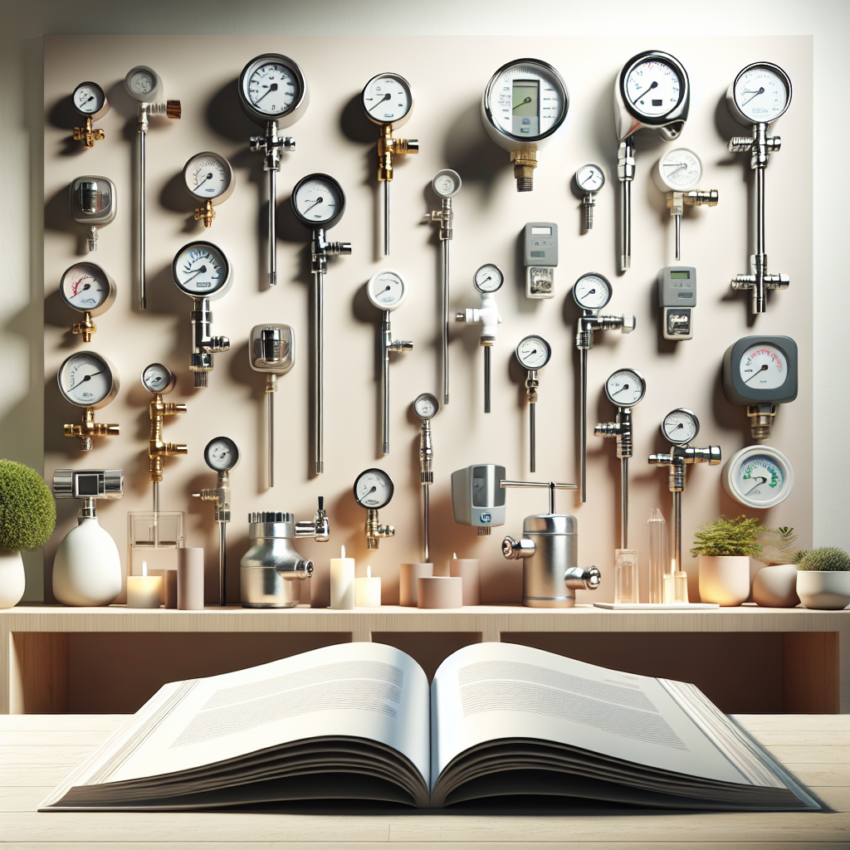
When maintaining a comfortable and efficient home, understanding the water pressure in your plumbing system is crucial. A reliable water pressure gauge can be an important tool in achieving this, as it measures the force of the water flowing through your pipes. Ensuring the correct water pressure helps protect your plumbing system and ensures optimal water usage throughout your home.
Why You Need a Water Pressure Gauge
Having the right water pressure is essential for several reasons. Too low water pressure can result in weak showers and inefficient appliances, while too high pressure can strain plumbing and lead to leaks or bursts. A water pressure gauge allows you to monitor these levels and make necessary adjustments or repairs.
Identifying issues with your water pressure early on can prevent costly repairs. Regular monitoring using a water pressure gauge can help you maintain a balanced system, ultimately saving water and extending the lifespan of your plumbing.
Types of Water Pressure Gauges
Choosing the right water pressure gauge depends on several factors, including the type of system you have and your specific needs.
Analog Water Pressure Gauge
Analog gauges are the traditional option and rely on a physical needle and dial. These gauges are easy to read and provide accurate pressure readings. They are durable, cost-effective, and suitable for most residential needs.
Digital Water Pressure Gauge
Digital gauges offer a more modern approach with digital displays, providing more precise readings and additional functionalities like pressure history. While more expensive, they are ideal for homeowners who want advanced monitoring capabilities.
Factors to Consider When Choosing a Water Pressure Gauge
When selecting a water pressure gauge, consider the following factors to ensure it matches your requirements:
Accuracy
Accuracy is critical for reliable readings. Look for a gauge with a low percent error to ensure you receive precise measurements, reducing the chance of misdiagnosis of pressure issues.
Durability
Opt for a durable gauge made with high-quality materials such as stainless steel or brass to withstand various environmental conditions and usage over time.
Range of Measurement
Consider the range of measurement you need. Most residential gauges measure between 0-100 psi, which is ideal for household plumbing systems.
Installation Type
Some gauges are designed for direct installation onto pipes or systems, while others are handheld for temporary checks. Assess your preference and abilities for installation.
For homeowners interested in optimizing their water systems, exploring tools and systems like irrigation installation can be beneficial. Check out this guide to irrigation installation systems for more insights.
Installation and Maintenance
Installing a water pressure gauge is generally straightforward. It usually involves connecting the gauge to an outdoor faucet or pipe to read the system’s pressure. It’s important to follow the manufacturer’s instructions for proper installation.
Regular maintenance, such as cleaning and calibration, is crucial to maintaining accuracy. Periodically inspecting your gauge for signs of wear or damage can help ensure its longevity.
Where to Learn More
Understanding the intricacies of home water systems can be a rewarding endeavor. For more information on how water pressure affects your home and more advanced topics, resources like this article on plumbing systems can provide valuable insights.
In conclusion, selecting the proper water pressure gauge is essential for maintaining optimal water pressure in your home. By choosing the right type and considering factors such as accuracy, durability, and installation, you ensure a safe and efficient plumbing system.
- Regular monitoring of water pressure helps prevent plumbing issues.
- Choose between analog and digital gauges based on your needs.
- Consider accuracy, durability, and installation ease when selecting a gauge.
- Proper installation and maintenance prolong the life of your gauge.
- Additional water systems enhance overall efficiency and functionality.
Frequently Asked Questions
What is a normal water pressure for a home?
Normal water pressure in most homes typically ranges from 40 to 60 psi. It’s advisable to maintain a level within this range to ensure optimal plumbing performance.
How do I use a water pressure gauge?
To use a water pressure gauge, attach it to an outdoor faucet or service port on your plumbing system and observe the reading to assess your system’s water pressure.
Can high water pressure damage my plumbing?
Yes, high water pressure can cause significant damage over time, leading to leaks, burst pipes, and premature wear on appliances and fixtures.
How often should I check my home’s water pressure?
It’s recommended to check your home’s water pressure at least twice a year or whenever you notice a change in water flow or fixture performance.
What should I do if my water pressure is too low?
If you find your water pressure to be too low, inspect for leaks, clogs, or malfunctioning components. Consulting a plumbing professional is advisable for thorough diagnostics and repair.