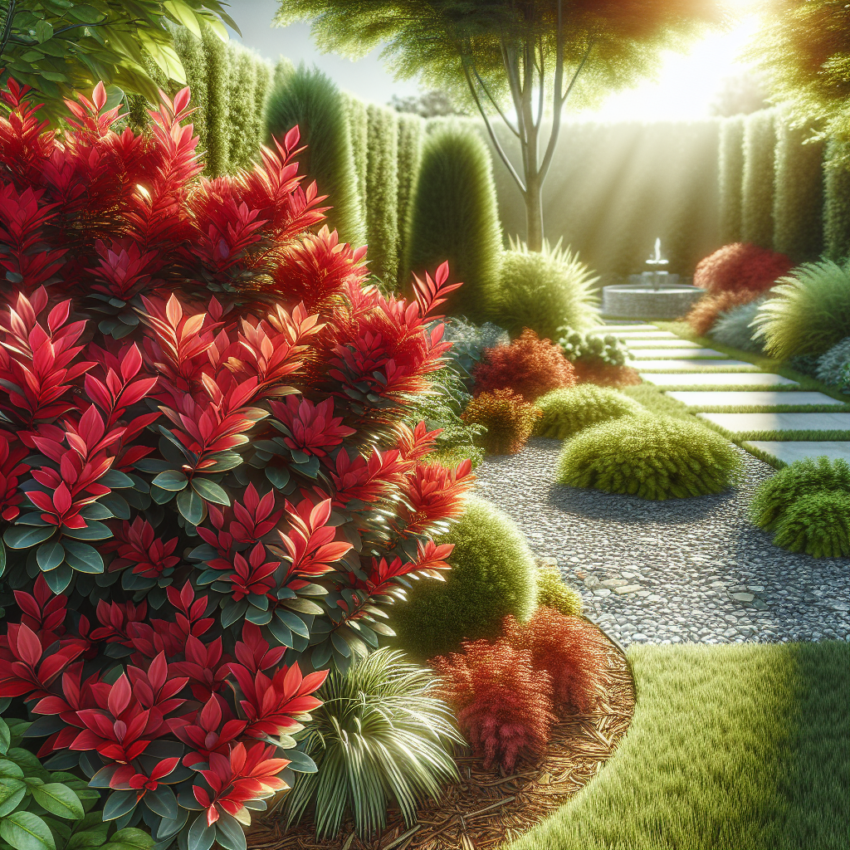
If you’re looking to add vibrant color and a touch of elegance to your garden, consider planting red tip photinia bushes. Known for their striking red foliage that turns to a glossy green as they mature, these plants not only serve as excellent natural fences but also enhance the visual allure of any outdoor space. Red tip photinia is a resilient shrub that thrives in various climates, making it a popular choice for both novice and experienced gardeners who wish to transform their garden into a haven of beauty.
Planting Red Tip Photinia for Garden Transformation
Red tip photinia can create a dramatic effect with minimal effort. To start, choose a location that receives full sun or partial shade, as these conditions are ideal for its growth. Prior to planting, test your soil to ensure good drainage, as waterlogged areas can impact the health of the bushes.
The red tip photinia generally grows best in hardiness zones 7 to 9, thriving in well-drained soil with a pH between 6.0 and 7.5. Plant them about 3 to 6 feet apart, which allows room for their natural spread and provides enough airflow to reduce the risk of disease.
Nurturing Your Red Tip Photinia
The key to a thriving red tip photinia bush is regular maintenance. Water these shrubs deeply around their root zone, especially during prolonged dry spells. Mulching can help retain moisture and provide a steady temperature for the roots.
Prune your red tip photinia in the early spring before the plant begins its new growth cycle. This will encourage lush foliage and limit disease. Make sure to remove any dead wood or damaged branches to keep the plant healthy.
The Aesthetic Appeal of Red Tip Photinia Bushes
Beyond their vibrant coloring, red tip photinia bushes are valued for their dense, bushy texture, making them ideal for privacy screens or hedging. When used creatively, they can serve as visual focal points in a garden landscape. Additionally, combining them with complementary shrubs and flowers can enhance the overall aesthetic.
These hardy shrubs are also relatively resistant to pests and diseases. However, it is essential to monitor for signs of leaf spot, a common fungal issue. This can be managed effectively with proper spacing to enhance air circulation and any necessary fungicidal treatment.
Inspiration for Gardening with Red Tip Photinia
For those interested in landscape design, integrating red tip photinia may inspire further exploration into other creative gardening projects. For a touch of interior charm, consider learning how to decorate your home with vintage maps to extend the organic aesthetic indoors.
These versatile plants also pair beautifully with other evergreens and flowering species, allowing gardeners to create year-round interest in their gardens. By experimenting with different plant pairings and layout designs, you can create a unique landscape reflective of your personal style.
For a comprehensive guide to gardening with photinia species, consult resources such as the Wikipedia page on Photinia that may offer further insight into the genus.
Ultimately, a well-cared-for red tip photinia will reward you with exquisite beauty and tranquility in your outdoor environment, enhancing both the visual appeal and value of your home. Whether lining a driveway or providing a lush backdrop for garden parties, red tip photinia bushes can play an integral role in your garden’s transformation.
- Red tip photinia bushes thrive in full sun to partial shade.
- Plant in well-drained soil in hardiness zones 7-9.
- Pruning in early spring encourages beautiful new growth.
- Monitor for fungal diseases and maintain good air circulation.
- Pair with other plants for a dynamic, year-round garden.
What are the ideal soil conditions for red tip photinia?
Red tip photinia prefers well-drained soil with a pH between 6.0 and 7.5. Avoid areas with poor drainage, as these can lead to root rot.
How often should I water red tip photinia?
Water deeply and regularly, particularly during dry periods. Ensure that water reaches the root zone without waterlogging the area.
When is the best time to prune red tip photinia bushes?
Prune them in early spring before new growth begins to ensure dense foliage and maintain shape.
Can red tip photinia be used as a privacy screen?
Yes, their dense growth habit makes them excellent choices for privacy screens or natural hedges.
What common pests or diseases affect red tip photinia?
Leaf spot is a common fungal issue, often mitigated by ensuring good airflow and using appropriate fungicides if necessary.