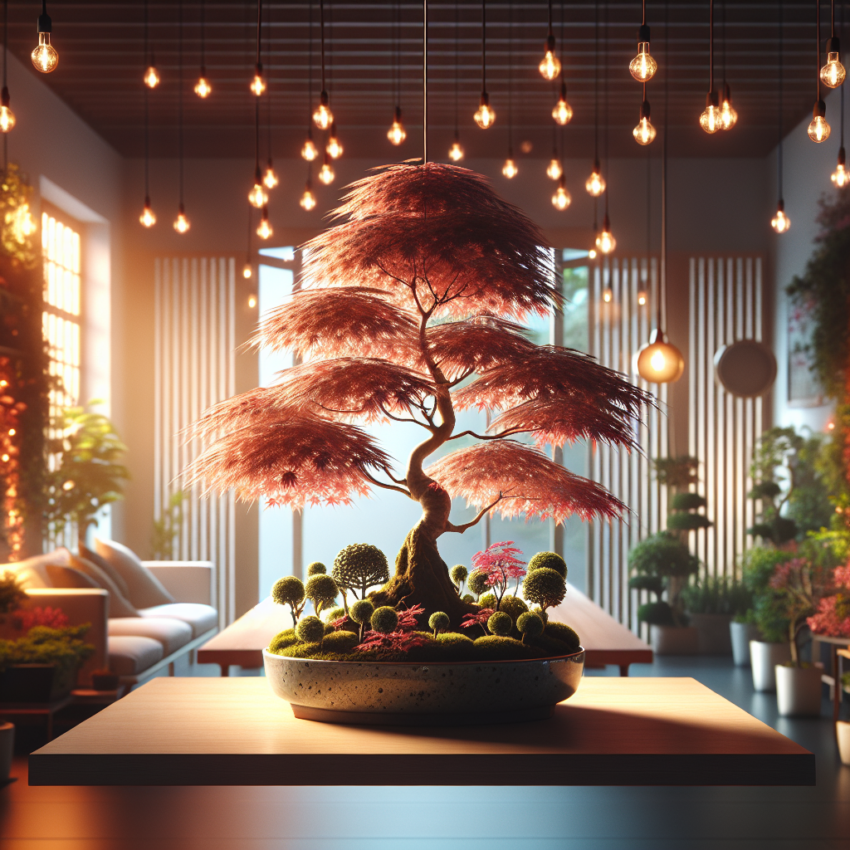
The beauty and elegance of an Acer palmatum Japanese maple bonsai is unmatched, offering a unique combination of aesthetic appeal and tranquil presence to any home garden. Known for its stunning foliage and delicate structure, this type of bonsai is a favorite among gardening enthusiasts. Whether you’re a seasoned bonsai artist or a novice, understanding the intricacies of cultivating and maintaining a Japanese maple bonsai can enhance your gardening experience.
Understanding the Acer Palmatum Japanese Maple Bonsai
The Acer palmatum Japanese maple bonsai is renowned for its vibrant colors and intricate leaf patterns. Originating from Japan, this bonsai species is celebrated for its ability to adapt to various climate conditions while maintaining its spectacular appearance. Its leaves, often displaying rich hues of red, orange, and yellow, create a breathtaking visual while promoting a serene environment.
Choosing the Right Environment
Ensuring your Acer palmatum thrives begins with selecting the appropriate environment. This bonsai prefers a balance of sunlight and shade, making it ideal for locations with partial sun exposure. Protecting the tree from extreme weather conditions such as frost or intense heat is vital to maintaining its health.
Additionally, the soil should be well-drained to prevent root rot. A mix of organic matter and bonsai soil can provide the necessary nutrients. Ensuring regular watering without over-saturating the roots will help the bonsai flourish throughout the year.
Pruning and Training Techniques
Pruning plays a crucial role in shaping your Acer palmatum. Regular trimming ensures the tree maintains its desired shape and encourages healthy growth. The best time to prune is during the tree’s dormant period in late winter or early spring.
Training techniques like wiring can be used to guide the branches into your desired shape. However, it’s important to use this technique cautiously to avoid damaging the tree. Always check wires regularly to ensure they are not cutting into the bark as the tree grows.
Seasonal Care and Maintenance
Each season brings unique challenges and opportunities for your Japanese maple bonsai. In the spring, focus on repotting and assessing the soil quality. During the summer, provide shade and protection from the midday sun to avoid leaf scorch. The fall is an excellent time to feed the tree with a balanced fertilizer in preparation for the dormancy of winter.
Winter care includes reducing water intake and providing frost protection, as the tree is susceptible to root damage in freezing temperatures. This seasonal approach ensures that your bonsai remains healthy and vibrant year-round.
Advantages of Cultivating an Acer Palmatum Japanese Maple Bonsai
Aside from their visual appeal, these bonsai trees offer several advantages. They can serve as a calming influence, providing a sense of peace and tranquility to any space. Bonsai growing also promotes patience and discipline, making it a rewarding and meditative hobby.
Additionally, cultivating bonsai can be a family-friendly activity, encouraging bonding and the passing down of gardening knowledge through generations. Moreover, it complements other interior design elements beautifully. Considering options like integrating art or using vintage maps for home decor can enhance your overall home aesthetic.
For more information on techniques and history, you may also refer to this informative article on bonsai on Wikipedia.
Investing time and care into your bonsai tree can provide a rewarding return in the form of beauty and elegance. Whether placed in a traditional garden or a modern setting, an Acer palmatum Japanese maple bonsai can be a striking addition to any landscape.
Conclusion
Mastering the art of growing an Acer palmatum Japanese maple bonsai involves understanding the balance of nature, nurture, and aesthetics. By integrating this exquisite specimen into your garden, you can cultivate a living piece of art that evolves and grows more captivating with time.
- Acer palmatum Japanese maple bonsai is known for its stunning aesthetic appeal.
- Proper environment and care are key to thriving bonsai.
- Seasonal maintenance is crucial in keeping the tree healthy.
- Bonsai growing is a meditative and rewarding hobby.
- Combines well with other interior design elements.
What is an Acer palmatum Japanese maple bonsai?
An Acer palmatum, or Japanese maple bonsai, is a miniature tree known for its vibrant leaf colors and beautiful structure, popular among bonsai enthusiasts.
How often should I water my Japanese maple bonsai?
Water your bonsai regularly but ensure the soil is well-drained. Avoid waterlogging the roots, as this may lead to root rot.
When is the best time to prune my bonsai?
The best time to prune your Acer palmatum is during its dormant period, typically in late winter or early spring.
Can I keep my bonsai indoors?
While Japanese maple bonsai can be kept indoors, they thrive best in outdoor conditions with partial sunlight and proper airflow.
What are common problems with Japanese maple bonsai?
Common issues include leaf scorch due to excessive heat or sun exposure, root rot from poor drainage, and frost damage during cold weather.