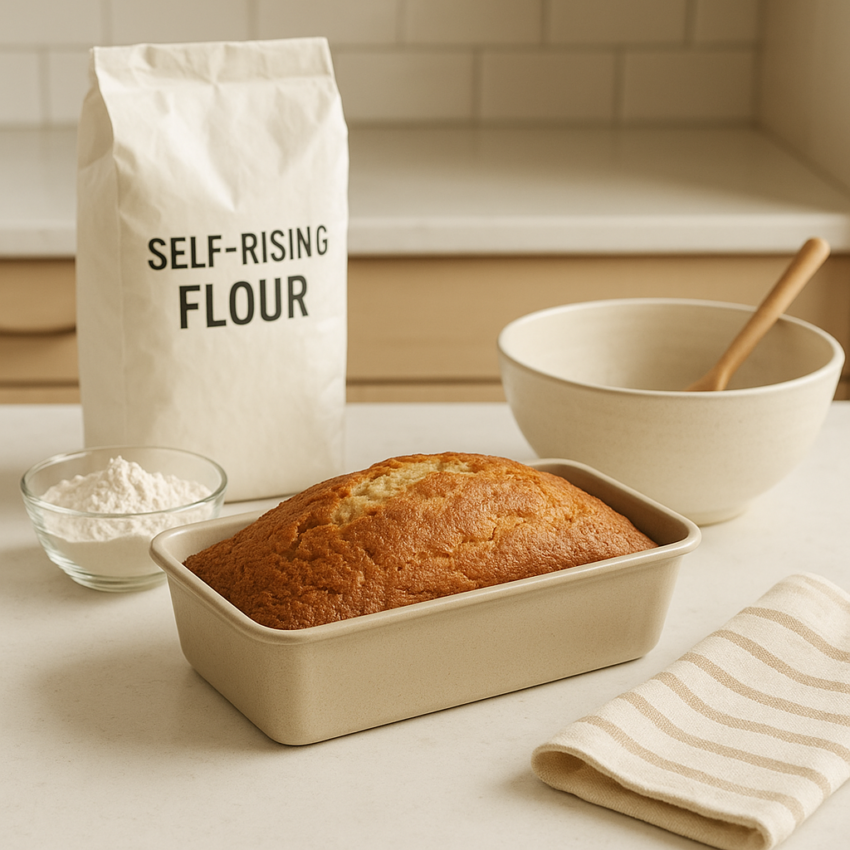
When it comes to baking, understanding the nuances of different types of flour can be crucial to your success in the kitchen. One such ingredient that can elevate your baked goods is self rising flour. This versatile flour is a staple in many kitchens and can help streamline your baking process by providing a pre-mixed combination of essential ingredients.
What is Self Rising Flour?
Self rising flour is a combination of all-purpose flour, baking powder, and salt. This mixture allows bakers to skip the step of adding these leavening agents separately, resulting in faster and more consistent results. Particularly popular in the preparation of biscuits, pancakes, and certain types of cakes, self rising flour can simplify recipes and ensure a more uniform rise.
One major advantage of using self rising flour is its foolproof nature. The proportions of baking powder and salt are carefully measured to balance with the flour’s intended usage, reducing the risk of user error. This can be especially beneficial for those new to baking or for anyone looking to save time without compromising on quality.
Understanding the Uses of Self Rising Flour
Incorporating self rising flour into your culinary repertoire opens up a world of baking possibilities. Due to its pre-mixed nature, this flour is perfect for recipes that require a light and fluffy texture. From airy pastries to delicate cakes and quick breads, self rising flour can be your go-to choice when aiming for tenderness and consistency.
While it is incredibly convenient, it’s important to remember that not every recipe is suitable for substitution with self rising flour. Typically, it’s best used in recipes specifically designed for it or where the leavening needs are uncomplicated. Attempting to use self rising flour in recipes that require precise leavening can sometimes alter the intended result.
For those interested in exploring more about how different types of flour affect health and nutrition, you can visit our health articles archive for additional insights.
Baking Tips for Self Rising Flour
Using self rising flour seems straightforward, but following a few tips can ensure even better results:
- Always check the expiration date on your self rising flour to ensure the baking powder is still active.
- If needed, sift the flour before use to break up any clumps and ensure an even distribution of ingredients.
- Understand that this flour adds salt to your recipe, so adjust additional salt accordingly if the original recipe also calls for it.
- For recipes requiring yeast, consider using a combination of both yeast and self rising flour for optimal results.
Recipes Featuring Self Rising Flour
Self rising flour can shine in a variety of recipes. Among its most celebrated applications are classic American-style biscuits, where the flour guarantees a tender, flaky texture. It’s equally useful for quick bread recipes, where the rapid rise pairs perfectly with the speedy preparation.
Pancakes and waffles are other popular items where self rising flour works wonders. The pre-mixed flour ensures they puff to the desired degree, creating a delightful texture. Cakes, particularly those that don’t rely heavily on fat content, can also benefit from self rising flour, resulting in a light crumb that pairs well with various frostings and toppings.
Final Thoughts on Self Rising Flour
By mastering the art of baking with self rising flour, you can hone your skills and add a reliable ingredient to your culinary toolkit. Its convenience and versatility make it an invaluable component in any baker’s pantry. Whether you’re whipping up a quick batch of pancakes or crafting a delicate cake, self rising flour is sure to impress with its efficiency and the perfect texture it delivers.
Ultimately, understanding when and how to use self rising flour can bring consistency and ease to your baking endeavors, ensuring delightful results every time. For more detailed information on the properties of self rising flour, check out this Wikipedia article on it.
- Self rising flour is a pre-mixed combination of flour, baking powder, and salt.
- It is best used in recipes designed to exploit its unique properties for tender and fluffy baked goods.
- Avoid using it in recipes that require precise leavening unless specified.
- Mastering self rising flour usage can vastly improve baking consistency and ease.
- Recipes that feature self rising flour include biscuits, pancakes, and quick breads.
Is self rising flour the same as all-purpose flour?
No, self rising flour includes added baking powder and salt, unlike all-purpose flour.
Can I substitute self rising flour in recipes calling for all-purpose flour?
Substitution can be done, but adjustments in leavening and salt must be made to avoid altering the recipe outcomes.
What if my self rising flour is past its expiration date?
Expired self rising flour may result in poor leavening due to inactive baking powder, leading to dense baked goods.
Is self rising flour suitable for yeast bread recipes?
Generally, yeast bread recipes need all-purpose or bread flour due to their higher gluten content, but self rising flour can be tested in non-complex bread recipes.
Where can I learn more about different types of flour?
For more on flour varieties and their health implications, explore detailed articles in our health section.