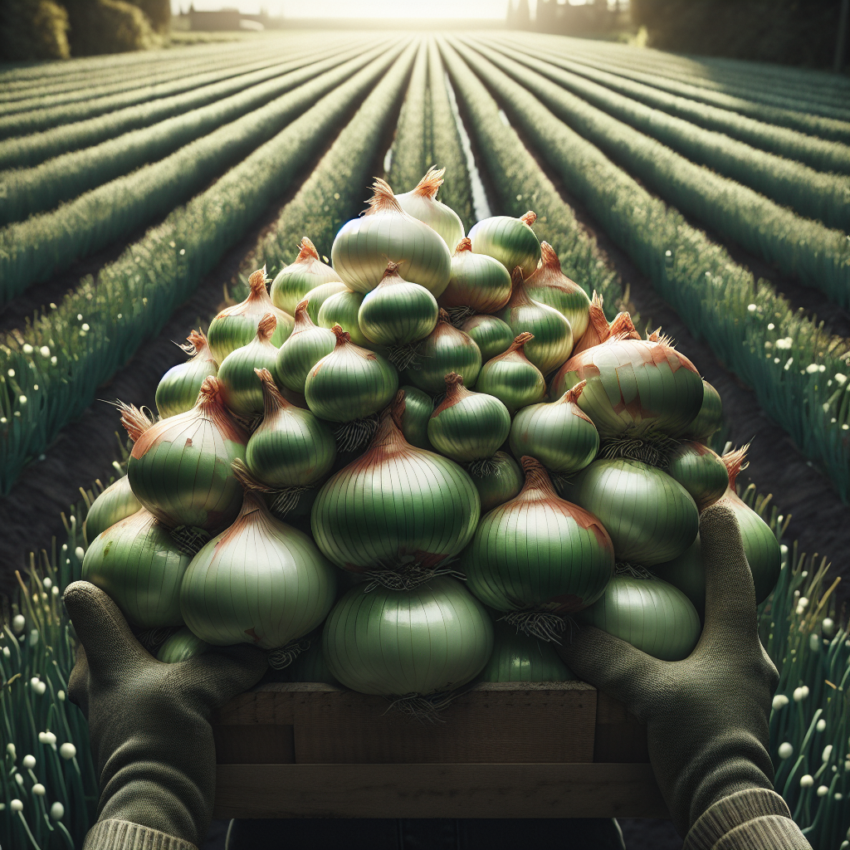
Growing onion sets can be a rewarding endeavor for home gardeners and those looking to enhance their culinary herbs and vegetables. Whether you’re a seasoned gardener or just starting, understanding the essentials of onion sets growing will set you on the path to a bountiful harvest. This guide will provide you with key insights and tips to improve your gardening success, ensuring your onions are firm, flavorful, and ready for the kitchen.
Understanding Onion Sets Growing
Onion sets are small bulbs that have been grown from seeds in the previous season and then harvested and dried to be replanted. They offer a convenient way to start your onion crop, allowing for quicker maturation compared to starting from seed. Here, we’ll delve into the steps of planting, caring for, and ultimately harvesting onions from sets.
Choosing the Right Onion Sets
Selection is the first step in successful onion sets growing. Look for sets that are firm and free of mold. It’s advantageous to choose between different varieties such as yellow, white, or red onions, depending on your taste preferences and culinary needs. Ensure the sets are about the size of a marble for the best growth potential.
Preparing Your Garden
Before planting, ensure your garden bed is well-prepared. Onions thrive in loose, well-drained soil with plenty of organic matter. A pH range of 6.0 to 7.0 is most suitable for onion growth. Prior to planting, you may consider enhancing soil fertility by mixing in aged compost or a balanced fertilizer.
For guidance on setting up an efficient irrigation system, you can refer to our comprehensive guide on irrigation installation systems, which is extremely helpful in maintaining soil moisture levels needed by onion plants.
Planting Onion Sets
Once your soil is prepared, it’s time to plant the onion sets. Plant them in early spring as soon as the soil is workable. Stick them about 1 to 2 inches deep with the pointed end upwards and space them 3 to 4 inches apart in rows spaced about 12 to 15 inches apart. This arrangement ensures that each plant has sufficient room to grow.
Caring for Growing Onions
Onion sets require consistent moisture to develop properly but be cautious to avoid waterlogging the soil. Implementing an irrigation system can help manage this balance. Additionally, keep your onion patch free from weeds, as they compete for nutrients and can hinder onion growth. Mulching around the plants helps suppress weeds and retain soil moisture.
Harvesting Your Onions
Onions are usually ready for harvest when the tops begin to flop over and die back. This process generally occurs in late summer. Carefully dig up the bulbs using a spade or fork to avoid damaging them. Once harvested, allow the onions to cure in a dry, ventilated space for about two to three weeks before storing them.
Proper storage is essential; cured onions should be kept in a cool, dry place. Well-stored onions can last several months, providing a staple ingredient throughout the year.
For more detailed information on onion cultivation, you can check resources available from trusted sources like Wikipedia’s extensive guide on onions.
Onion sets growing is an engaging gardening venture that transforms simple, small sets into vibrant, full-grown onions. By following best practices in choosing sets, preparing soil, and maintaining plant health, you can achieve a rewarding onion harvest that adds both nutritional value and flavor to your meals.
- Choose firm, healthy onion sets for the best results.
- Prepare soil well with compost for enhanced fertility.
- Plant in early spring and space correctly to ensure room for growth.
- Maintain consistent moisture and weed control for healthy onions.
- Harvest when tops die back, and cure before storing.
FAQs
What are onion sets?
Onion sets are small bulbs that are planted in your garden to grow into full-sized onions within the season.
When is the best time to plant onion sets?
The ideal time to plant onion sets is in early spring as soon as the soil can be worked properly.
How do I know when my onions are ready to harvest?
Onions are ready to harvest when the tops fall over naturally and begin to yellow. This usually occurs in late summer.
How should I store harvested onions?
Store cured onions in a cool, dry, and well-ventilated place. Avoid plastic bags, as they can encourage moisture retention and spoilage.
Why are my onions not growing big?
Small growth can be due to incorrect spacing, inadequate nutrients, insufficient watering, or competition from weeds. Ensuring optimal conditions will promote better growth.