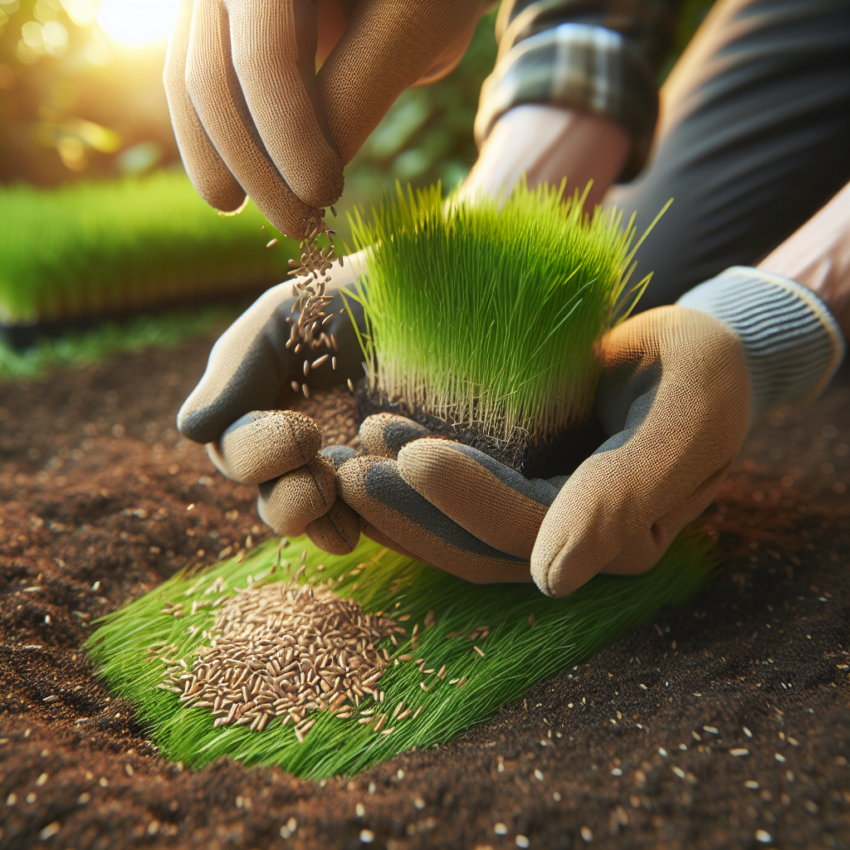
Achieving a lush and green lawn can transform your yard into a beautiful and inviting space. For those wondering how to plant grass seed effectively, this guide offers comprehensive steps to ensure successful planting and growth. Whether you’re starting from scratch or filling in bare patches, the process can involve a blend of preparation, seeding, and maintenance.
How to Plant Grass Seed: Step-by-Step Guide
Choosing the Right Grass Seed
Selection is crucial when it comes to seeding. Different grass types thrive in different climates and soil conditions. First, determine whether your lawn is best suited for cool-season or warm-season grasses. Consider factors like sunlight exposure, as some grasses, such as Kentucky bluegrass, require full sun, while others like fescue can grow in shaded areas.
Preparing the Soil
Before planting, prepare the soil for optimal growth. Begin by clearing the area of debris, weeds, and old grass using a rake. Next, till the soil to a depth of about 6 inches to improve aeration and nutrient absorption. It’s also beneficial to conduct a soil test to determine the pH levels and nutrient content, allowing you to amend the soil appropriately with lime or fertilizer.
Sowing the Seed
Once the soil is ready, it’s time to sow the seed. For even distribution, you can use a spreader. Aim for a seeding rate specified on the seed packaging for the best results. Gently rake the soil to lightly cover the seeds, and consider rolling over the area with a lawn roller to ensure good seed-to-soil contact, which is essential for germination.
Watering New Grass Seed
Water plays a vital role in the germination process. Gently water the area immediately after planting to moisten the soil without causing runoff. Moving forward, keep the soil consistently moist but not waterlogged. This may require watering lightly once or twice a day, particularly in hot or dry conditions.
For more detailed irrigation strategies, explore our guide to irrigation installation systems.
Maintaining the Lawn
Once the grass begins to grow, maintenance becomes key. Avoid heavy foot traffic on new grass, and continue watering regularly. After two to three weeks, when the grass reaches about 3 inches in height, it can be mowed. Keep the mower’s blades sharp and avoid cutting more than one-third of the grass blade at a time to promote healthy growth.
Fertilizing and Lawn Care
Applying a starter fertilizer can support the initial growth of seedlings by providing essential nutrients. Throughout the growing season, continue to fertilize according to a balanced lawn care plan. Address any pest or disease issues promptly to ensure the lawn remains healthy and strong.
Final Thoughts on How to Plant Grass Seed
Understanding how to plant grass seed effectively involves a blend of choosing the right seeds, preparing the soil, and consistent maintenance. This commitment will result in a lush and vibrant lawn that enhances your outdoor space.
Takeaways
- Select the right type of grass seed for your climate and lawn conditions.
- Prepare the soil properly for optimal seed growth.
- Water new seeds consistently to maintain soil moisture.
- Continue regular lawn maintenance for sustainable growth.
- Plan a fertilization strategy to provide necessary nutrients.
FAQ
What is the best time of year to plant grass seed?
The ideal time depends on the type of grass. Cool-season grasses thrive when planted in early fall, while warm-season grasses do best in late spring or early summer.
How long does it take for grass seed to germinate?
Germination typically takes between 5 to 30 days, depending on the grass variety and environmental conditions like temperature and moisture.
Can I plant grass seed over an existing lawn?
Yes, overseeding can help rejuvenate an existing lawn. It’s essential to mow the grass short and remove any thatch before spreading new seed.
Do I need to cover grass seed?
Lightly raking the seed into the soil can help with seed-to-soil contact, which is necessary for germination. Mulching lightly with straw can also aid in moisture retention.
Where can I find more information on grass types and planting? Learn more about lawns here.
For further details on grass species and planting methods, resources like university horticulture extensions or reputable gardening websites can provide invaluable information.