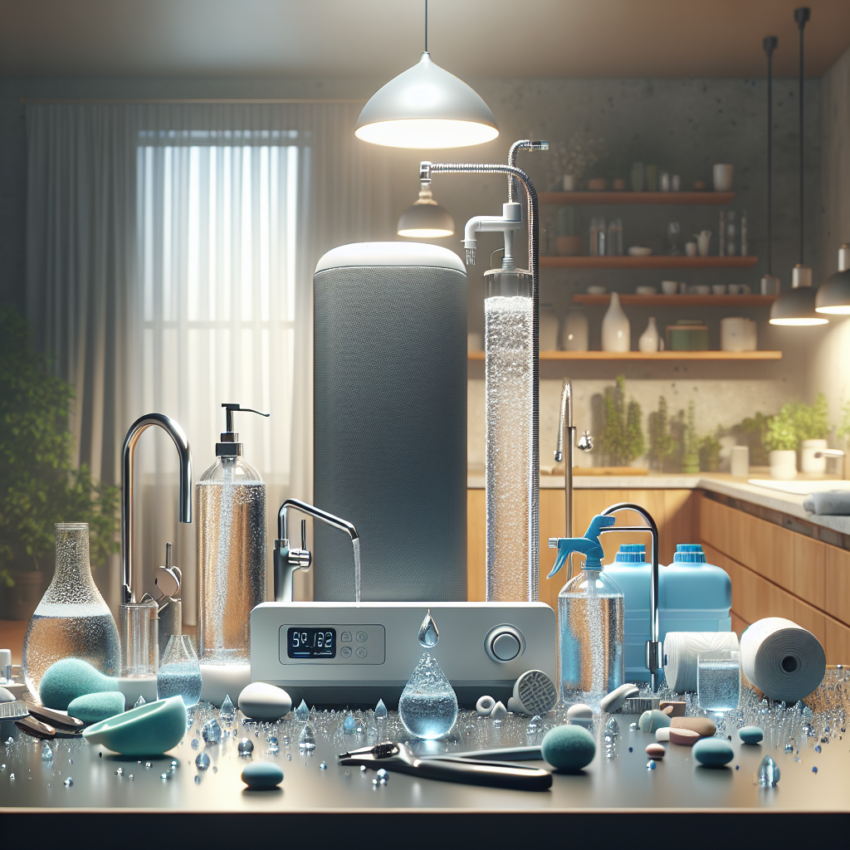
Undertaking a softener water installation can significantly enhance the quality of water in your home, offering benefits such as improved appliance longevity and better skin health. A water softener combats hard water by removing minerals like calcium and magnesium, which can cause scale build-up and reduce the efficiency of household systems. Whether you are a DIY enthusiast or planning to hire a professional, understanding the installation process is essential for ensuring efficiency and effectiveness in softening your water supply.
The Essentials of Softener Water Installation
Before beginning any water softener install, it’s crucial to assess your home’s current plumbing system and water hardness level. Generally, water testing kits are available to determine mineral content. Once you identify the need, selecting the right water softener system that fits your household’s size and consumption patterns is paramount. Consider factors such as grain capacity and regeneration efficiency to pick a unit that suits your needs.
Begin the installation by choosing a suitable location, usually near the main water line, where the unit can treat the water before it reaches various outlets. Ensure proximity to a power source and a drain for backwash purposes. Next, cut into the main line and integrate the softener with the plumbing. This process may involve using PVC or copper pipes and fittings to align the system with your home’s existing infrastructure.
Steps to Install a Water Softener
Here is a step-by-step guide to help you install a water softener effectively:
- Preparation: Gather necessary tools such as pipe cutters, adjustable wrenches, and soldering supplies if using copper pipe.
- Shut Off Water Supply: Ensure the main water supply is turned off to avoid leaks and water loss during installation.
- Install Bypass Valve: Attach the bypass valve to the softener unit. This will allow you to bypass the system if maintenance is required.
- Connect the Inlet and Outlet Pipes: Carefully link the water supply with the inlet and outlet valves of the softener, ensuring all connections are secure.
- Connect Drain Hose: Attach a drain hose to the softener and ensure it leads to an appropriate drain location. This is crucial for system flushing and regeneration.
- Power and Programming: Plug the unit into an electrical outlet and follow the manufacturer’s guidelines to program the settings based on water hardness and usage patterns.
These steps provide a foundational guide for a successful softener water installation. However, always consult the specific manual for your water softener model, as configurations can vary.
Maintaining Your Water Softener
Once you install a water softener, regular maintenance is necessary to ensure optimal performance. Begin by checking the salt level in the brine tank monthly. The tank should have sufficient salt, typically at least half-full, to facilitate the ion-exchange process that softens the water. Use high-quality salt designed for softeners to maximize efficiency. Occasionally, clean the brine tank to remove any sediment or residue that could hinder its operation.
Additionally, monitor the system for leaks or signs of wear and tear, which could affect its performance. Conduct a periodic water hardness test to adjust settings if necessary, ensuring that the softened water meets your household needs.
Troubleshooting Common Installation Challenges
During and after you install a water softener, you may encounter certain issues. Common problems include leaks at connection points, insufficient softening, or irregular regeneration cycles. If you experience leaking, double-check joint seals and tighten any loose connections. For issues related to softening capacity, reevaluate water hardness levels and adjust the softener settings accordingly. In case of irregular cycles, ensure the timer or control system is accurately set.
When in doubt, consulting a professional can provide peace of mind and guarantee your system functions correctly. Additionally, exploring resources like a comprehensive guide to irrigation systems can be beneficial for understanding water management within your home.
Benefits of a Well-Installed Water Softener
Proper softener water installation offers numerous advantages, especially regarding home maintenance and personal health. Softened water can prevent limescale build-up in appliances and plumbing, leading to increased efficiency and reduced energy bills. Furthermore, it results in softer skin and hair, as well as cleaner and brighter laundry. Ultimately, investing in a water softener raises the overall quality of life in your household.
For more detailed information about water softening and its benefits, you may refer to resources like the water softening page on Wikipedia.
In conclusion, mastering softener water installation not only enhances your home environment but also gives you control over your water quality. With the right knowledge and tools, you can enjoy the benefits of softened water while extending the lifespan of your appliances and improving your family’s experience.
- Water softeners remove hard minerals, enhancing appliance longevity.
- Preparation and correct setup are key to a successful installation.
- Regular maintenance ensures the water softener continues operating efficiently.
- Understanding common challenges helps resolve installation issues promptly.
- A well-installed water softener improves both home maintenance and personal health.
How do I determine if I need a water softener?
Testing water hardness levels with a water testing kit can help determine the need for a water softener in your home. High levels of minerals, like calcium and magnesium, indicate hard water.
Can I install a water softener myself?
Yes, many homeowners opt to install a water softener themselves following manufacturer instructions. However, if unsure, professional installation ensures proper setup and operation.
What are signs of a bad installation?
Signs of improper installation include persistent hard water, leaking connections, and irregular system cycle patterns. These may indicate a need to reevaluate installation steps.
How often should I maintain my water softener?
Regular maintenance such as checking salt levels and cleaning the brine tank should be performed monthly. Additionally, periodic water hardness tests ensure the system is functioning correctly.
Can a water softener improve skin health?
Yes, by removing harsh minerals from water, a water softener can result in softer hair and skin, enhancing personal comfort and reducing potential irritation.