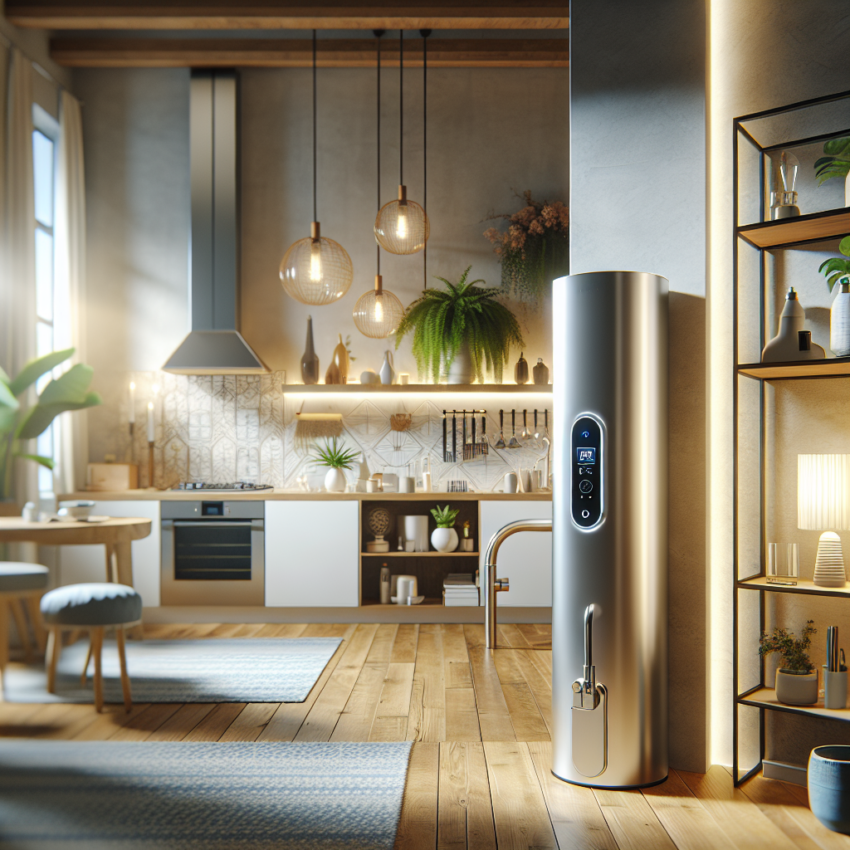
In recent years, the term flush water heater has become increasingly popular among homeowners seeking efficient and sustainable solutions for their water heating needs. But what exactly is a flush water heater, and how can it revolutionize your home? This guide explores the core aspects of a flush water heater and provides insights on how this innovative technology can enhance energy efficiency and water savings in your household.
What is a Flush Water Heater?
A flush water heater is a type of water heating system designed to improve the efficiency of heating water by eliminating sediment build-up and reducing energy consumption. Unlike traditional water heaters, which can accumulate considerable sediment over time, flush water heaters offer a method to remove these sediments regularly, allowing the system to operate more efficiently and extend its lifespan.
Benefits of Installing a Flush Water Heater
Understanding the advantages of a flush water heater can help you make an informed decision about upgrading your current system. Below are some key benefits:
Enhanced Energy Efficiency
One of the primary advantages of a flush water heater is its ability to enhance energy efficiency. By eliminating sediment build-up, the heater can maintain optimal water flow and temperature settings. This efficiency ensures less energy is used to heat water, which can significantly lower your monthly utility bills and reduce your home’s carbon footprint.
Prolonged System Lifespan
Sediment build-up can cause wear and tear on your water heater over time. By regularly flushing these sediments out, potential damage is minimized, prolonging the life of your water heater. This not only protects your investment but also ensures you have reliable access to hot water when you need it.
Improved Water Quality
The process of regularly flushing your water heater improves the quality of your hot water. Sediments and minerals can lead to discoloration or a metallic taste in your water. Removing these sediments ensures the water remains clear and fresh-tasting for all household uses.
How to Maintain a Flush Water Heater
Proper maintenance is crucial to maximizing the efficiency and longevity of your flush water heater. Here are steps you can follow:
- Schedule regular maintenance checks to ensure the system is functioning optimally.
- Conduct a routine flush of the system every few months to remove sediment build-up.
- Monitor water temperature and pressure settings to detect any irregularities early.
For more detailed guidance on related home maintenance projects, consider exploring our guide to irrigation installation systems.
Considerations Before Installing a Flush Water Heater
Before installing a flush water heater, assess your home’s specific needs and infrastructure requirements. Here are some considerations:
Home Size and Water Usage
The size of your home and your family’s water usage patterns will influence the type of flush water heater suitable for you. Larger households may require systems with larger capacities to meet the demand for hot water.
Installation and Initial Costs
While flush water heaters offer long-term savings, the initial installation costs can be higher than traditional heaters. Factor in these costs while calculating potential savings over time. Be sure to consult a professional for installation to ensure the system is set up correctly.
Energy Source Compatibility
Ensure that the flush water heater you choose is compatible with your home’s energy source, whether it’s electric, gas, or solar. This compatibility will affect installation costs and operational efficiency.
Choosing the Right Flush Water Heater for Your Home
When selecting a flush water heater, consider energy efficiency ratings, warranty terms, and brand reputation. Opt for models with good customer feedback and reliable support services. Always seek professional advice to select the most suitable model for your specific needs and infrastructure.
Transforming your home with a flush water heater can be a worthy investment in terms of energy savings and prolonged system life. By understanding the benefits and considerations, you can make an informed decision that aligns with your sustainability goals and budget.
For further reading on residential heating systems, the Wikipedia article on water heating offers comprehensive information.
In conclusion, a flush water heater provides an efficient and environmentally friendly solution for your home’s hot water needs. It reduces energy costs, improves water quality, and extends the lifespan of your installation. Consider upgrading to a flush water heater to benefit from advanced water heating technology.
- Flush water heaters provide enhanced energy efficiency and water quality.
- Regular maintenance prolongs the system’s lifespan.
- Consider home size, water usage, and installation costs before purchasing.
- Choosing a model requires considering energy source compatibility.
- Professional installation and guidance are recommended for optimal performance.
What is a flush water heater?
A flush water heater is designed to improve efficiency by regularly eliminating sediment build-up, thereby enhancing water flow and reducing energy consumption.
Why should I consider a flush water heater?
Flush water heaters offer increased energy efficiency, improved water quality, and a longer system life, making it a cost-effective and eco-friendly choice.
How often should I perform maintenance on my flush water heater?
Regular maintenance checks should be scheduled, with routine flushes suggested every few months to ensure optimal performance.
Are the installation costs higher than traditional water heaters?
Initial installation costs may be higher, but the efficiency and energy savings in the long term can offset these costs.
Can any household install a flush water heater?
Yes, they are suitable for most homes, but compatibility with your energy source and evaluating your specific water needs is crucial before installation.