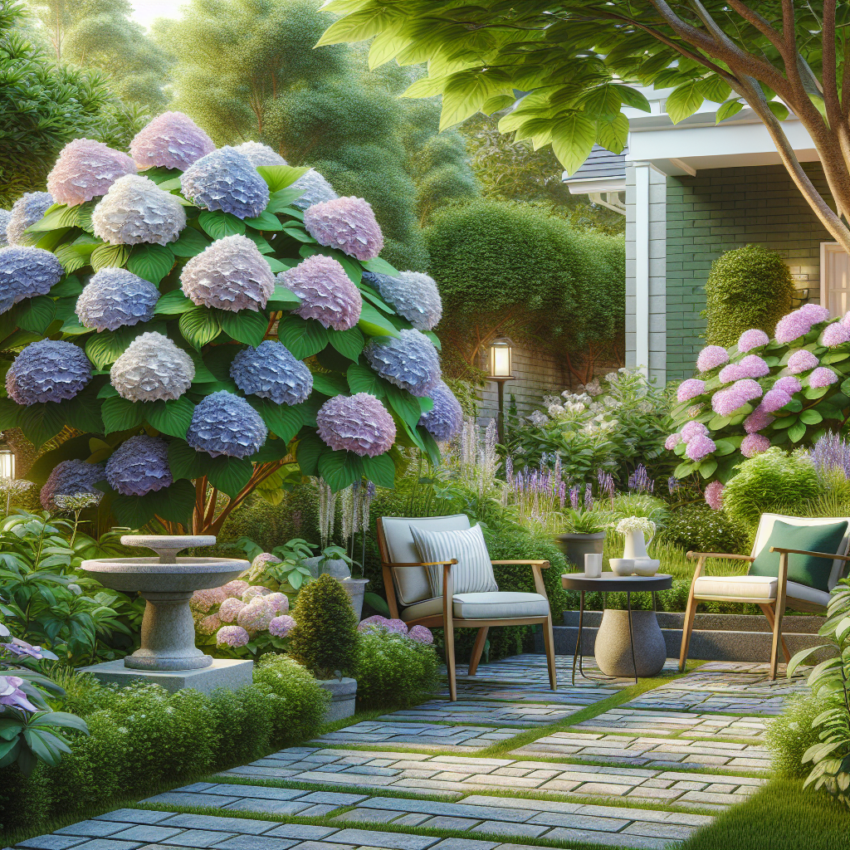
Welcome to the enchanting world of gardening, where the big leaf hydrangea stands as a beloved favorite among plant enthusiasts. Known for its breathtaking blooms and vibrant colors, the big leaf hydrangea, often called the macrophylla plant, is not just a visual delight but also a versatile addition to any garden setting. This article explores the beauty and numerous benefits of cultivating this extraordinary plant in your garden.
The Benefits of Growing Big Leaf Hydrangea
The big leaf hydrangea, scientifically termed Hydrangea macrophylla, is celebrated for its stunning floral displays. The plant’s expansive leaves and opulent clusters of flowers can transform any garden into a serene retreat. But why should you consider adding this plant to your garden?
Aesthetic Appeal
One of the prime reasons gardeners choose the big leaf hydrangea is for its striking appearance. The lush foliage and large, vibrant blooms create a dynamic visual impact. Available in shades of pink, blue, purple, and white, these hydrangeas can complement various garden designs, offering an ever-changing palette of colors throughout the growing season.
Garden Versatility
Beyond their beauty, big leaf hydrangeas are incredibly adaptable to different garden styles, from cottage gardens to modern landscapes. This flexibility makes them an ideal choice for enhancing any garden theme. Whether you border them along pathways, use them as focal points, or blend them with other plants, their presence naturally enlivens the space.
Environmental Benefits
The hydrangea macrophylla plant does more than just beautify gardens; it also supports local ecosystems. By attracting pollinators such as bees and butterflies, it promotes biodiversity and aids in the overall health of your garden environment. Furthermore, the dense foliage can help mitigate soil erosion, especially on sloped terrain.
Care Tips for Big Leaf Hydrangea
Caring for big leaf hydrangeas is relatively straightforward, making them suitable for both novice and experienced gardeners. Here are a few tips to ensure your hydrangeas thrive:
Optimal Planting Location
Big leaf hydrangeas thrive in well-drained, moist soil with a neutral to slightly acidic pH. They prefer a location with morning sun and afternoon shade to protect them from harsh midday rays. Plant them in areas that receive adequate sunlight to encourage vibrant blooms.
Watering Needs
Consistent watering is crucial, particularly during dry spells. While the macrophylla plant enjoys moisture, be careful to avoid waterlogged conditions, which can lead to root rot. A regular watering schedule, tailored to the local climate and soil type, ensures the plants remain healthy and vibrant.
Pruning Guidelines
Pruning helps maintain the shape and size of your big leaf hydrangea. The best time to prune is in late winter or early spring before new growth begins. This timing ensures you’re removing dead or weak stems and encouraging strong, vigorous growth. Remember, flowers bloom on old wood, so avoid excessive pruning to enjoy a full bloom the following season.
Enhancing Garden Design with Big Leaf Hydrangeas
Integrating big leaf hydrangeas into your garden design can create dynamic visual interest. These plants provide an opportunity to experiment with color themes by adjusting soil pH to influence bloom colors—from blues in acidic soils to pinks in alkaline conditions.
For a garden that continuously evolves, consider juxtaposing these hydrangeas with other timeless elements. Their opulent blooms can serve as focal points, helping to create a harmonious landscape that celebrates both the past and the present.
Conclusion
The big leaf hydrangea remains a quintessential choice for gardeners seeking to combine beauty with ecological benefits. Whether you’re a seasoned horticulturist or a casual enthusiast, its lush foliage and vibrant flowers can bring a touch of elegance to your outdoor space. Explore incorporating this magnificent plant into your garden to enjoy its dynamic and versatile nature. For more detailed information on hydrangeas, visit the Wikipedia page on Hydrangeas.
- Big leaf hydrangeas enhance garden beauty with their large blooms.
- The plant attracts pollinators, supporting biodiversity.
- They are versatile and fit a variety of garden styles.
- Consistent care results in vibrant flowers and healthy growth.
- Suitable for gardeners of varying experience levels.
FAQs
What are the ideal growing conditions for big leaf hydrangeas?
Big leaf hydrangeas thrive in moist, well-drained soil with a neutral to slightly acidic pH. They prefer locations with morning sun and afternoon shade.
How do I change the color of hydrangea blooms?
You can adjust the soil pH to change bloom colors: acidic soils produce blue flowers, while alkaline soils result in pink blooms.
When should I prune my big leaf hydrangeas?
Prune them in late winter or early spring before new growth begins to shape the plant and encourage strong flowering in the next season.
Are big leaf hydrangeas suitable for all garden styles?
Yes, they are highly versatile and can complement various garden motifs, from traditional to contemporary styles.
Do hydrangeas attract any pollinators?
Yes, hydrangeas attract bees and butterflies, contributing to pollination and the enhancement of local biodiversity.