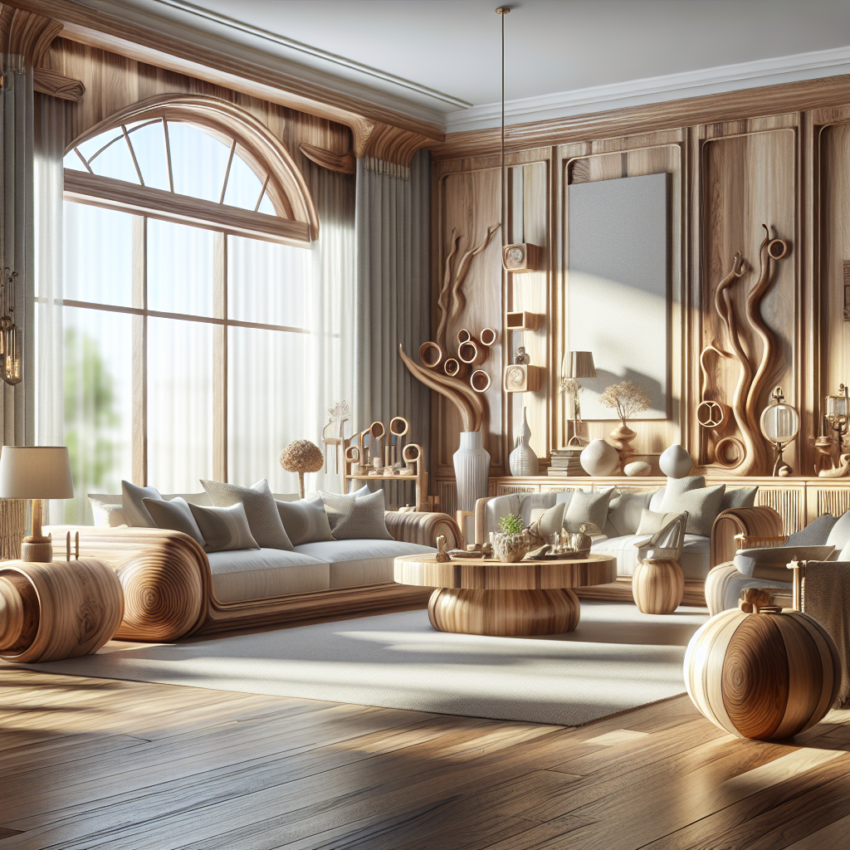
Elm wood is gaining popularity in home improvement projects thanks to its exceptional qualities and versatility. This beautiful and sturdy wood has been cherished for centuries in furniture making, flooring, and other applications. If you’ve ever considered using elm wood in your home, understanding its benefits and characteristics can help you make an informed decision.
Why Choose Elm Wood?
Elm wood is known for its interlocking grain, which offers an attractive appearance with a pleasant texture. This natural beauty, combined with its durability, makes elm wood a sought-after material for various home improvement projects. Its resilience to cracking makes it a favored choice for items requiring longevity and repeat use, such as furniture and decorative pieces.
Durability and Strength
The strength of elm wood is one of its most appealing attributes. It’s a robust material that withstands wear and tear over time, making it ideal for high-traffic areas like flooring. Its dense composition also means it’s less likely to dent, providing a long-lasting finish for furniture and cabinetry.
Aesthetic Appeal
The natural grain patterns of elm wood make it a captivating choice for homeowners who desire a rustic or natural look. Its unique texture and color variations can enhance any interior design, adding warmth and character to the home. Consider pairing elm wood with vintage decor elements for a timeless and eclectic style.
Versatility in Home Improvement
Elm wood’s versatility extends beyond aesthetic appeal. It is easily machined and can be used for a variety of home improvement projects, including:
- Flooring: Elm wood floors provide a rustic charm that can elevate any room.
- Furniture: Its strength and beauty make it perfect for tables, chairs, and cabinets.
- Decorative Elements: Wall paneling and beams made of elm wood can add architectural interest.
Environmental Benefits
Using elm wood can also be an environmentally conscious choice. Embracing sustainable forestry practices ensures that this resource remains available for future generations. Additionally, elm wood products often require fewer resources, like chemicals, during processing, which helps to reduce the environmental footprint.
Considerations When Using Elm Wood
While elm wood is an excellent choice for many home improvement projects, it’s important to consider its characteristics. The wood’s natural grain can sometimes make it challenging to work with, requiring a skilled craftsman for certain applications. Additionally, untreated elm wood is not naturally resistant to moisture, so proper sealing and maintenance are necessary for outdoor uses.
For those contemplating the use of elm wood in their homes, thorough research and possibly consulting with a professional are recommended to ensure the best outcome.
Comparing Elm Wood to Other Options
If you’re weighing your options between elm wood and other types of wood, it’s helpful to compare them on factors like appearance, strength, cost, and availability. Elm wood often offers a more unique and warm aesthetic compared to more common woods like oak or maple.
When considering other materials, it’s also essential to think about the specific demands of your project and how each type of wood will meet those needs.
To learn more about elm wood, its benefits, and applications, a great resource is the Wikipedia page on Elm.
In conclusion, the benefits of using elm wood in home improvement projects are numerous, making it a material well worth considering for your next renovation or décor project.
- Elm wood is durable and strong, ideal for high-traffic areas like floors.
- Its unique grains and natural beauty add aesthetic appeal to homes.
- Elm wood is versatile, suitable for furniture, flooring, and decorative elements.
- It supports sustainable forestry practices with proper management.
- Proper treatment is necessary to maintain elm wood’s longevity, especially outdoors.
What are the benefits of using elm wood in home projects?
Elm wood offers strength, durability, and unique grain patterns, which enhance the aesthetic of any space. Its versatility makes it suitable for various home improvement applications.
Is elm wood good for flooring?
Yes, elm wood is excellent for flooring due to its durability and resistance to wear and tear, providing both function and style.
How does elm wood compare to oak?
Elm wood is often more aesthetically unique with its interlocking grain patterns, whereas oak is renowned for its classic look and high density. Both are durable but offer different visual appearances.
What should I know about maintaining elm wood?
Regular cleaning and sealing are essential to protect elm wood, especially if used outdoors, to prevent moisture damage.
Where can I learn more about using elm wood sustainably?
You can explore sustainable forestry practices and more about elm wood benefits on educational resources like Wikipedia’s page on Sustainable Wood.