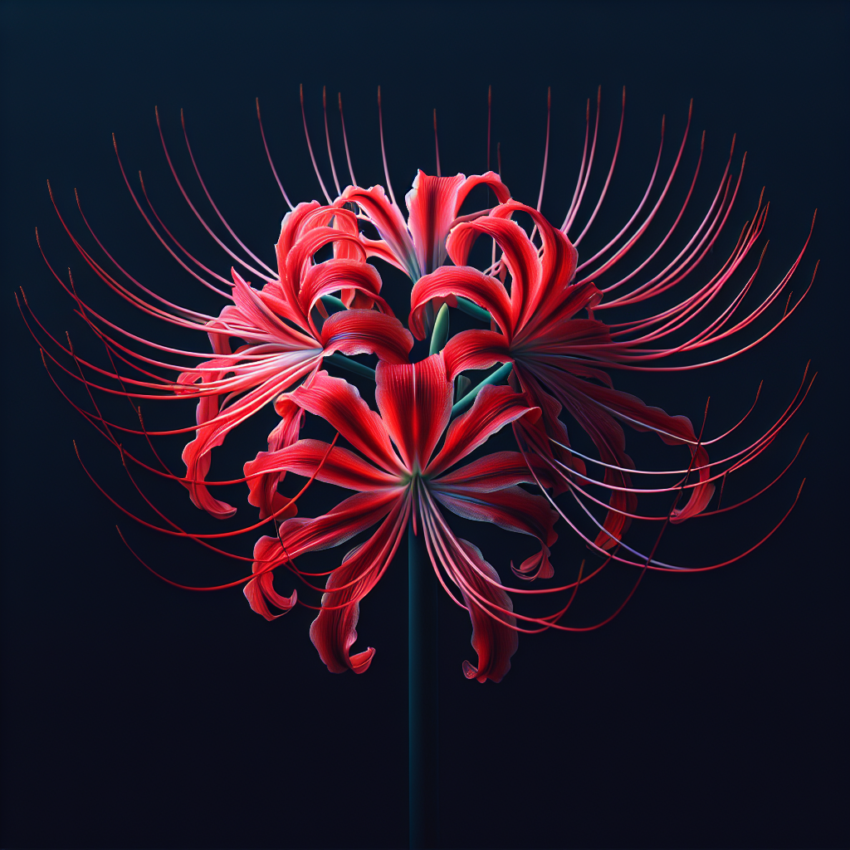
The red spider lily Lycoris is a captivating flower that has enchanted garden enthusiasts and cultural historians alike. Known for its brilliant red hue and distinct shape, this flower is more than just a visual treat. It is steeped in myths and carries significant cultural symbolism in various parts of the world. If you have ever wondered about the red spider lily Lycoris’s allure and its deeper meanings, read on to discover its enchanting beauty and significance.
The Mystical Allure of Red Spider Lily Lycoris
Primarily found in East Asia, the red spider lily Lycoris radiata is known for its striking appearances during late summer and early autumn. Its long, slender petals form a spider-like shape, making it immediately recognizable. In Japan and China, the red spider lily is often associated with the afterlife and is commonly seen around temples and graveyards during the autumn equinox. This association with transition and change adds an element of mystery to its beauty.
When a garden is graced with the presence of the red spider lily, it becomes not just a feast for the eyes but a place imbued with cultural narratives. These flowers bloom brilliantly without leaves present, a feature that augments their mystique and leads to stories about separation and eventual reunion. The cyclical nature of their blooming aligns with ideas of life, death, and rebirth, making them a popular motif in poetry and art.
Cultural Significance Across the Globe
The red spider lily is a symbol of the Japanese festival O-higan, marking a period dedicated to ancestor remembrance. It is also prevalent in Chinese folklore, where it symbolizes the final goodbye, associated with the parting of souls. This cultural significance further contributes to its mysterious reputation. The flower’s toxic nature means it traditionally lines pathways to prevent rodents from disturbing human dwellings or sacred places.
While in the West, the red spider lily is less common, when people encounter it, they are often drawn to its vibrant color and intricate shape. Gardeners interested in horticultural variety find the red spider lily a thrilling addition, symbolizing resilience and attraction. In countries like South Korea, the flower is frequently seen in gardens, contributing an exotic appeal that attracts both locals and tourists.
The Red Spider Lily in Gardens
For those interested in cultivating a garden with a sense of mystery and allure, the red spider lily is an excellent choice. These perennials thrive in well-drained soil and perform best when plants are left undisturbed. Consider planting them in shaded or semi-shaded areas to mimic their natural environment. They often require minimal care, making them ideal for both seasoned gardeners and those new to horticulture.
The sight of a field of red spider lilies in full bloom is unforgettable, creating a stunning visual effect. If you’re interested in adding unique elements to your garden, you may also explore how to decorate your home with vintage maps, a timeless trend, and combine cultural aesthetics with natural beauty.
Impacts of the Red Spider Lily Lycoris
Aside from its aesthetic benefits, the red spider lily Lycoris has ecological and practical applications. It serves as a pest deterrent due to its bitter compounds, which can keep animals from invading garden spaces. However, caution is advised because all parts of the plant are toxic if ingested, posing a risk to households with pets or children.
In herbal studies, compounds found in Lycoris are being researched for their potential therapeutic applications, although their use remains primarily ornamental. Researchers are particularly interested in the bulbs’ chemical properties, hoping to unlock their secrets for modern science. While these studies are ongoing, their current stage is not yet suitable for human application.
Understanding the full depth of the red spider lily Lycoris is to appreciate its dual capacity as both a natural and cultural icon. As we learn more about this extraordinary flower, its potential contributions to science and medicine continue to tantalize researchers and nature enthusiasts worldwide.
Finally, the red spider lily Lycoris encompasses much more than just striking beauty; it holds a mirror to life’s transcendent cycles, encompassing both aesthetic and symbolic dimensions that captivate all who encounter it.
- The red spider lily Lycoris is both culturally significant and visually striking.
- It symbolizes themes of transition, change, and remembrance in many cultures.
- The plant has potential ecological benefits as a pest deterrent.
- Its chemical compounds are currently being studied for medical applications.
- The flower remains a popular choice for ornamental gardening due to its low-maintenance needs.
FAQs about Red Spider Lily Lycoris
What are the main cultural associations of the red spider lily?
It is often associated with death, the afterlife, and spiritual transitions, especially in Japan and China.
Can I grow red spider lilies in my home garden?
Yes, they are suitable for well-drained soil and can thrive in shaded areas, requiring minimal care once planted.
Are red spider lilies toxic?
Yes, all parts of the plant are toxic if ingested, so it’s important to plant them with caution around pets and children.
Do red spider lilies have any medicinal uses?
While certain compounds are being studied for potential therapeutic benefits, their primary use is ornamental.
Where can I learn more about the ecological impact of red spider lily Lycoris?
For a broad overview of the plant’s significance, consider exploring resources such as this page on Wikipedia about health and botanical studies.