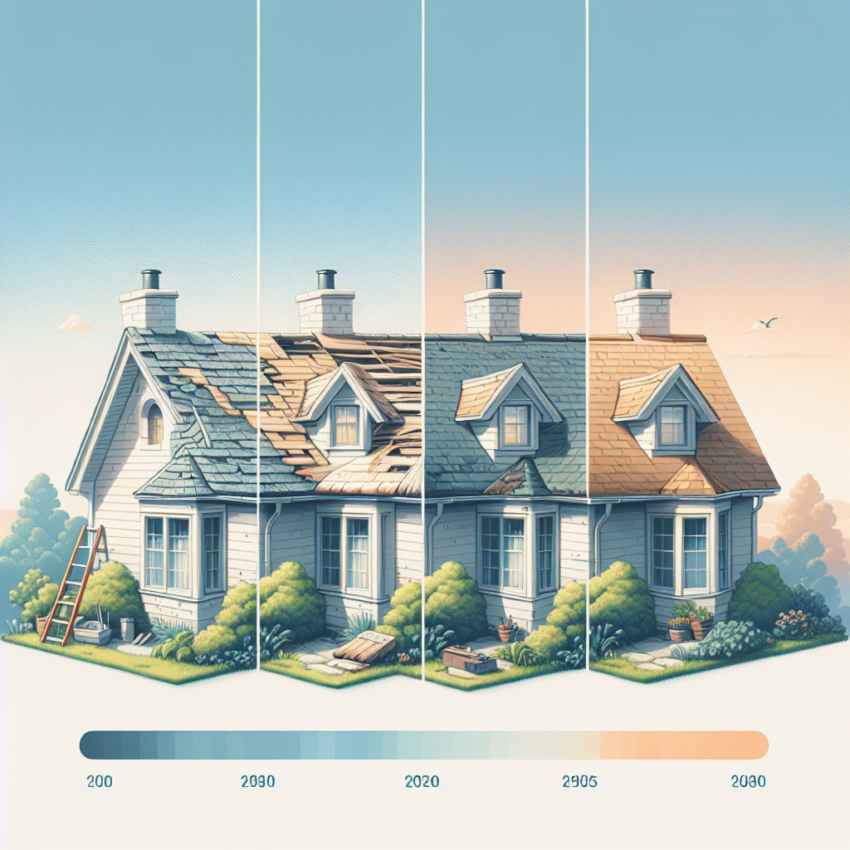
When owning a house, understanding how long your roof is expected to last is crucial for future planning and budgeting. So, how long does a roof last? The lifespan of a roof varies depending on several factors, including the materials used, the quality of installation, and the climate. This article will guide you through what to expect from your roof’s longevity and when you might need to consider replacement.
How Long Does a Roof Last?
On average, most roofs last between 20 to 30 years. However, this lifespan can vary significantly based on the type of roofing material used. For example, asphalt shingles, one of the most common roofing materials, can last about 20 years. In contrast, metal roofs and tile roofs are known for their durability and can last 40 years or more.
Weather conditions also play a significant role in determining how long a roof lasts. Areas prone to severe weather conditions, such as heavy snow, high winds, or extreme heat, can experience faster wear and tear. Regular maintenance and inspections can help mitigate this, potentially extending your roof’s life.
If you’re considering home improvements, it might also be worth exploring the costs involved in resurfacing a concrete driveway to enhance your property’s curb appeal alongside maintaining your roof.
Factors That Affect Roof Longevity
Various factors can influence the expected lifespan of your roof. Quality of materials is a primary consideration. High-quality materials, though more costly upfront, often pay off in the long run with greater durability. Additionally, the quality of the roof installation can affect longevity. A properly installed roof, with attention to detail and skilled workmanship, will generally last longer.
Roof design and structure are other critical factors. A well-ventilated roof reduces moisture buildup and extends the roofing material’s life. Also, roofs with a steep slope are less likely to accumulate debris and water, which can enhance their longevity.
Finally, regular maintenance is key to prolonging your roof’s lifespan. This includes cleaning gutters, replacing damaged shingles, and addressing small leaks before they become major issues. It’s advisable to have your roof inspected by a professional annually or after severe weather events.
Signs It’s Time to Replace Your Roof
Knowing when to replace your roof is crucial to prevent further damage to your home. Common signs that indicate a roof replacement might be necessary include missing or cracked shingles, excessive shingle granules in gutters, and noticeable water damage inside your home. If your roof is over 20 years old, it’s wise to have it inspected for potential issues.
In some cases, rather than a full replacement, a repair may suffice. However, frequent repairs can add up, and in many instances, a comprehensive replacement is more cost-effective in the long term.
Choosing the Right Roofing Material
When it comes time to replace your roof, choosing the right roofing material can impact the longevity and aesthetics of your home. Asphalt shingles are cost-effective and easy to install, while metal roofs offer durability and energy efficiency.
Tile roofing is an attractive option known for its long lifespan and resistance to fire and insects. Despite tile’s higher initial cost, its durability might make it a preferred choice in regions with harsh weather conditions.
Additionally, consider the roofing material’s environmental impact. Some materials, such as metal and certain types of synthetic roofing, are recyclable, making them a more sustainable choice.
Conclusion: How Long Does a Roof Last?
Understanding how long a roof lasts is essential for home maintenance and budgeting. With proper care and suitable material choices, you can maximize your roof’s lifespan and maintain the safety and beauty of your home. For more detailed information about roofing lifespans and materials, consult trustworthy resources like this educational page on Wikipedia.
- Roof lifespan varies by material, with common materials lasting 20–30 years.
- Weather conditions and maintenance significantly affect roof longevity.
- Signs you need a new roof include severe damage, age, and frequent leaks.
- Material choice impacts durability, aesthetics, and environmental footprint.
- Regular inspections and maintenance can help extend your roof’s life.
FAQ
What is the longest-lasting roofing material?
Metal and tile roofs are among the longest-lasting materials, often exceeding 40 years with proper maintenance.
How can I extend my roof’s life?
Regular maintenance, such as cleaning gutters and replacing damaged shingles, can significantly extend your roof’s life.
When should I have my roof inspected?
It’s recommended to have your roof inspected annually and after significant weather events, like storms with high winds or hail.
What should I consider when choosing a roofing material?
Consider factors such as cost, durability, aesthetic appeal, and environmental impact when selecting roofing materials.
Is roof replacement covered by insurance?
Roof replacement due to sudden damage, like from a storm, might be covered by insurance. However, general wear and tear usually isn’t.