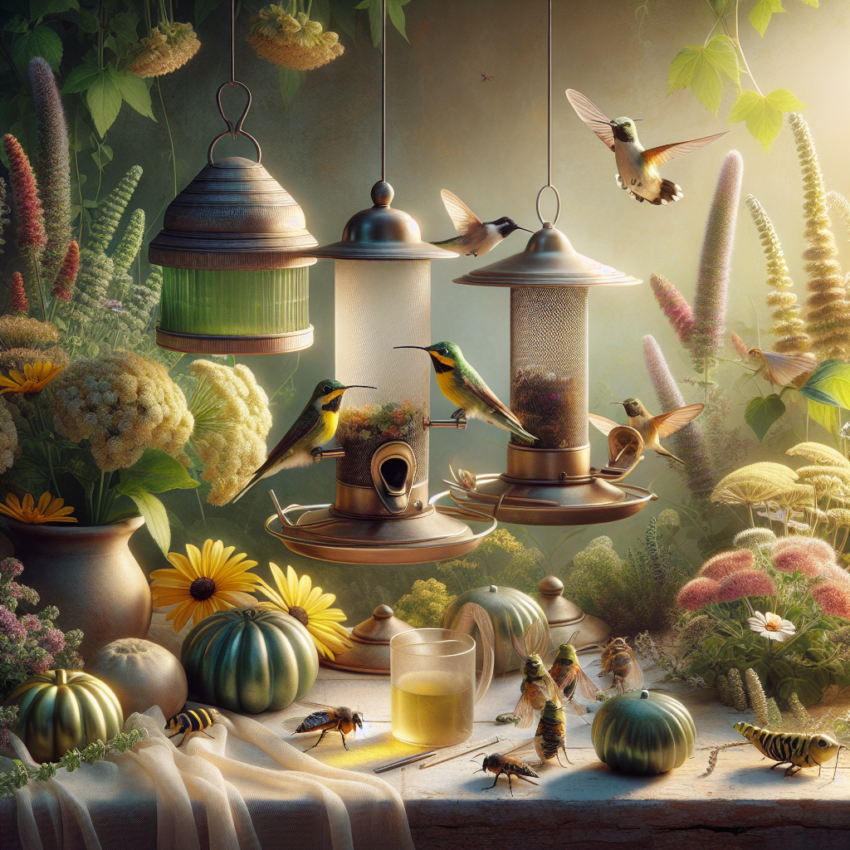
Whether you’re an avid bird watcher or enjoying bringing a touch of nature to your garden, a hummingbird feeder can be a delightful addition. Choosing the best hummer feeders is crucial to attracting these fascinating birds to your yard and ensures a robust feeding station.
Understanding Hummer Feeders
Hummingbird feeders are specially designed to hold nectar or sugar water, which mimics the natural food source these tiny birds seek. These feeders often feature bright colors to attract attention, primarily those that resemble flowers. They play a vital role in providing supplemental nourishment, especially during periods when flowers might not be in peak bloom.
When selecting the best hummer feeders, consider the material, capacity, ease of cleaning, and the type of feeder. Each aspect can significantly influence how well the feeder will perform in your garden.
Types of Hummer Feeders
Dish or Saucer Feeders
These feeders are shallow containers that hold nectar and have a cover with feeding ports. Dish feeders are known for being easy to clean and fill. They are generally less prone to leaking, making them popular among hummingbird enthusiasts.
Inverted Bottle Feeders
Inverted bottle feeders, or vacuum feeders, use gravity to dispense nectar slowly. They are typically made of glass or plastic and have ports at the bottom. While they often hold more nectar, they can be more challenging to clean and might be more prone to dripping.
Feeder Accessories
Consider accessories like ant moats and bee guards to improve your hummingbird feeding station’s functionality. An ant moat holds water to deter ants from reaching the nectar, while bee guards prevent bees from accessing the nectar without obstructing hummingbirds.
Materials and Durability
The materials used in hummer feeders can affect their durability and effectiveness. Common materials include glass, plastic, and metal. Glass feeders are often more durable and easier to clean but are generally heavier and potentially pricier. Plastic feeders are lightweight and often less expensive, although they may wear out quickly under direct sunlight.
Metal is commonly used for the feeding ports or perches, offering durability. However, ensure that any metal parts do not have sharp edges that could harm the birds.
Ease of Cleaning
Maintaining clean feeders is essential to prevent mold and bacteria that could harm hummingbirds. Choose feeders with detachable parts that allow for thorough cleaning. Those with wide openings are generally easier to clean.
Routine cleaning with a weak vinegar-water solution or hot water without soap is typically adequate. Cleaning every few days is recommended, depending on heat and humidity levels.
Feeder Placement
Where you place your feeder can significantly impact its effectiveness. Ideally, hang the feeder in a visible location to attract hummingbirds but sheltered from the wind. Avoid placing it in direct sunlight, which can ferment the sugar water quickly.
You may also want to position feeders near plants that attract hummingbirds naturally. For more tips on creating a bird-friendly environment, consider exploring ways to give your pet the best life possible by learning effective pain management strategies for animals.
Best Practices for Feeding Hummingbirds
Feeding hummingbirds goes beyond just hanging out a feeder. Use a simple mixture of four parts water to one part sugar. Avoid artificial dyes or honey. Change the nectar frequently, at least twice a week, or more often in hot weather.
Watch for signs of spoilage, like cloudy nectar, and clean the feeder immediately if spoilage occurs. To learn more about different wildlife care practices, you can check resources from the Wikipedia health article for broader health guidelines.
Environmental Impact and Our Responsibility
Using hummer feeders responsibly means considering the environmental impact. Ensure the feeder materials are ecologically friendly, and avoid using chemicals that could harm the local wildlife.
By maintaining clean and functional feeders, you contribute to the well-being of hummingbirds, giving them a safe place to feed and thrive. This small action could significantly affect local biodiversity.
When you choose the best hummer feeders, you invite these fascinating creatures into your garden and create a fulfilling hobby that benefits the local environment. Hummingbirds are a delight to watch, and proper feeders ensure they stick around.
- Choose the right type of feeder that suits your needs and environment.
- Consider feeder materials for durability and ease of cleaning.
- Place feeders appropriately to attract hummingbirds without disturbing their natural behavior.
- Maintain and clean feeders regularly to ensure the health of hummingbirds.
- Embrace environmentally-conscious practices in your garden to support local wildlife.
FAQs
What type of hummer feeders are most suitable for beginners?
Dish or saucer feeders are typically recommended for beginners due to their ease of cleaning and filling.
How often should I change the nectar in my hummingbird feeder?
Nectar should be replaced at least twice a week or more frequently in hot weather to prevent fermentation.
Can I use honey or artificial sweeteners instead of sugar water?
It’s best to use a simple sugar-water mixture in the ratio of four parts water to one part sugar. Honey or artificial sweeteners may be harmful to hummingbirds.
Are there specific colors that attract hummingbirds?
Hummingbirds are attracted to bright colors, particularly red. Many feeders use bright-colored accents to catch their attention.
What should I do if bees or ants become a problem at my feeder?
Consider using ant moats or bee guards to prevent insects from accessing the nectar in the feeders.