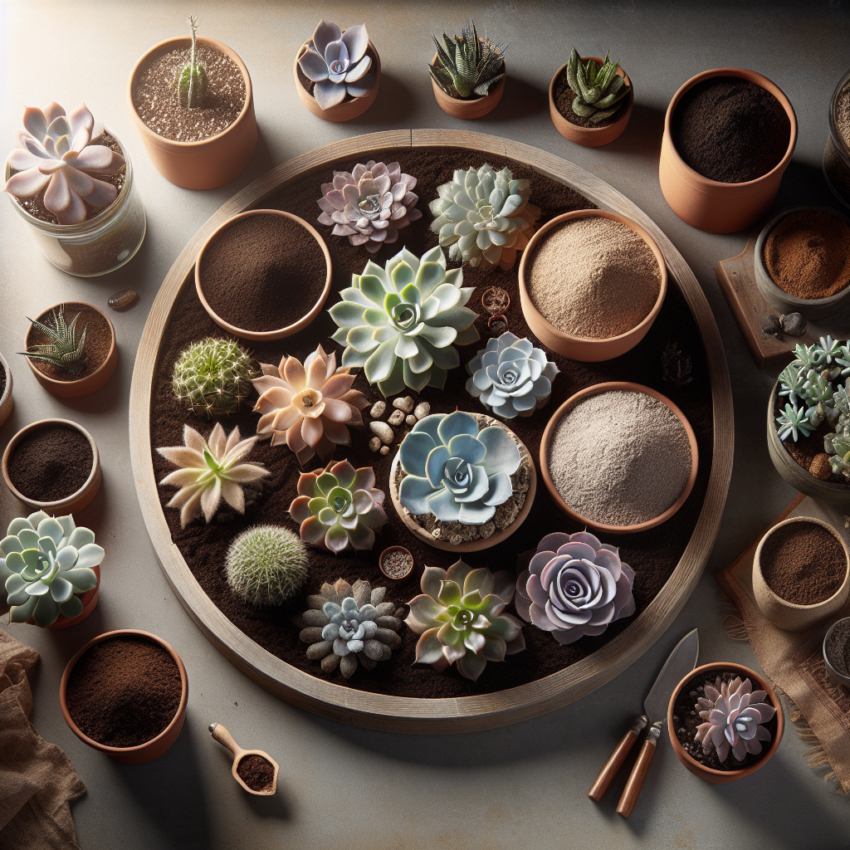
When it comes to growing healthy succulents, choosing the right soil is crucial. The ideal succulent soil provides excellent drainage while retaining just enough moisture. Succulents are adapted to arid environments, so they thrive in a particular type of soil that supports their unique needs. Whether you’re a beginner or a seasoned gardener, understanding the essentials of succulent soil will help your plants flourish.
What Makes Good Succulent Soil?
Succulents require soil that mimics their natural environment. This typically means a well-draining mix with low organic content. Soil for succulents should allow water to flow quickly, reducing the risk of rot and other issues related to excess moisture.
Standard garden soil holds too much water and is not suitable for succulents. Instead, look for soil labelled specifically for succulents or cacti. These mixes usually contain inorganic materials like sand, perlite, gravel, and pumice, which improve drainage and aeration.
Components of Ideal Succulent Soil
Most succulent soils combine organic materials, such as peat moss or coconut coir, with inorganic materials like sand or volcanic rock. Here’s a closer look at some common components:
- Sand: Coarse sand enhances drainage and prevents soil compaction.
- Perlite: A lightweight, volcanic glass that improves aeration and drainage.
- Pumice: This porous volcanic rock helps retain necessary moisture while providing excellent drainage.
- Coconut Coir: An environmentally friendly alternative to peat moss, offering moderate water retention.
Choosing the Right Blend
Ready-made mixes are convenient, but you can also customize your own blend to meet specific plant needs. The key is balance. Aim for a mix that dries out completely within one to two days after watering.
Consider adding more inorganic material if you’re growing in a humid climate, as this will prevent the soil from becoming waterlogged. Alternatively, if you’re in a dry area, you might include a bit more organic material to retain necessary moisture.
Planting and Repotting Succulents
When planting or repotting succulents, start by filling the bottom of the pot with succulent soil, ensuring there’s enough room for roots to spread. Gently place the succulent in the pot and add more soil around it, patting lightly to secure the plant. Ensure the soil is below the rim of the pot to allow for proper watering.
Using pots with drainage holes is essential, as it allows excess water to escape, preventing roots from sitting in moisture. If your favorite pots lack these holes, you can add a layer of rocks at the bottom before adding soil, though this is less ideal.
Watering and Fertilizing Succulents
Succulents require infrequent watering, allowing the soil to dry completely between waterings. In general, watering every two weeks is sufficient, though this depends on your climate and the specific plant type.
Fertilizing is not always necessary, but during the growing season, a diluted, balanced fertilizer once a month can support growth. Be careful not to over-fertilize, as this could harm your plants.
Succulents are a popular choice for home decorators. If you’re thinking of incorporating these plants into your interior design, consider pairing them with vintage maps for an elegant touch.
Learn more about plant care with this comprehensive guide from Wikipedia.
Conclusion
Choosing the right succulent soil is vital for maintaining the health and beauty of these unique plants. With suitable soil, proper watering, and attention to environment, your succulents will thrive and add vibrant beauty to any space.
- Succulent soil should have excellent drainage.
- A combination of organic and inorganic materials is ideal.
- Avoid overwatering to prevent root rot.
- Fertilize sparingly during growth periods.
- Customize soil blends based on your climate and plant needs.
What is the best soil for succulents?
The best soil for succulents is a well-draining mix containing sand, perlite, pumice, and a small amount of organic material like coconut coir.
Can I use regular potting soil for succulents?
Regular potting soil is often too dense and retains too much moisture for succulents. It’s best to use a soil mix specifically formulated for succulents or add sand and other inorganic materials to regular soil to improve drainage.
How often should I water my succulents?
Water succulents only when the soil is completely dry. Generally, every two weeks is sufficient, but this may vary based on your environment and the specific succulent variety.
Do succulents need fertilizer?
While not essential, fertilizers can boost growth, especially during the growing season. Use a balanced, diluted fertilizer about once a month.
Can I grow succulents indoors?
Yes, succulents thrive indoors, provided they receive enough light and are planted in suitable, well-draining soil. Ensure they are placed in a sunny location or under grow lights.