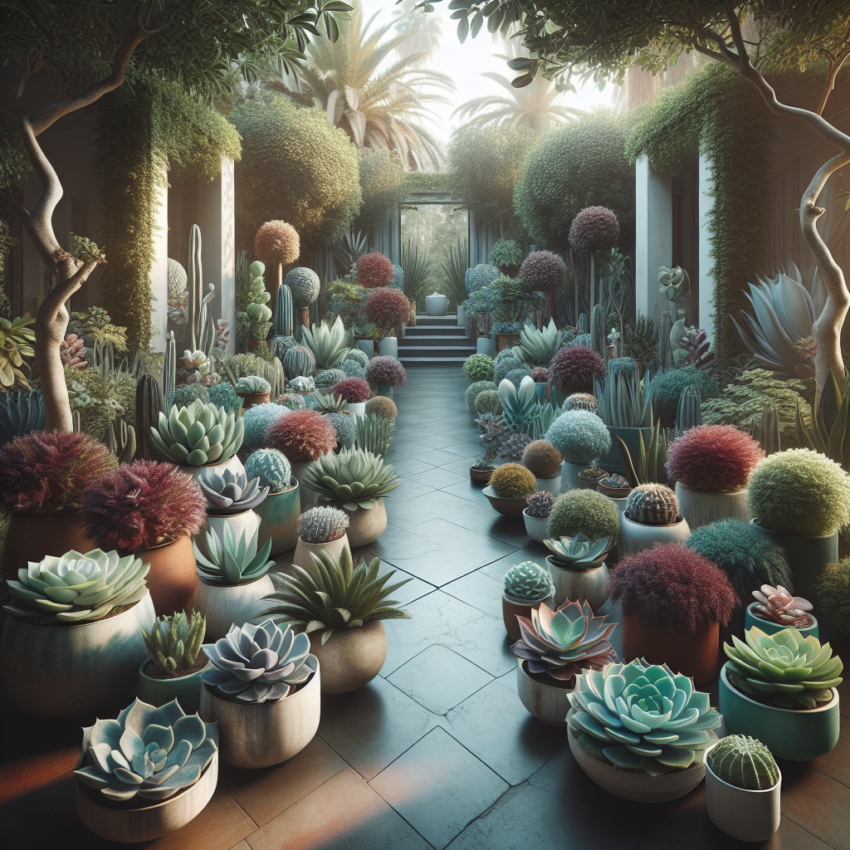
Are you thinking about enhancing your home garden with the striking beauty of succulent plants? Learning about planting succulent plants is a rewarding journey, perfect for gardening enthusiasts and novices alike. Succulents are easy to care for, make excellent decorative plants, and are available in a variety of shapes and colors, offering endless options for customization in your personal space.
Understanding Planting Succulent Plants
Succulents are drought-resistant plants that store water in their leaves, making them ideal for areas with minimal rainfall. Successfully planting succulent plants involves understanding their unique needs and providing them with the right environment to thrive.
Choosing the Right Succulents for Your Garden
The first step in creating a stunning succulent garden is selecting the ideal plants. Consider the size, color, and growth pattern of different succulent varieties to find those that best suit your garden’s aesthetic. Some popular options include the classic Aloe Vera, the colorful Echeveria, and the hardy Jade Plant.
Preparing the Soil
Succulents require well-drained soil to prevent root rot. Commercially available succulent or cactus potting mixes work well, or you can create your own by mixing sand, perlite, and potting soil. Ensuring proper drainage is crucial when planting succulent plants.
Finding the Perfect Location
Location is key for succulents. They thrive in bright, indirect sunlight and should be placed in areas that receive about six hours of light per day. If outdoor planting is preferred, choose a location sheltered from harsh afternoon sun and extreme weather conditions.
Watering Guidelines
One of the benefits of succulents is their low water requirement. Water deeply but infrequently, letting the soil dry out completely between waterings. This mimics their natural habitat and helps prevent over-watering, which can harm the plant.
Best Practices for Planting
When you’re ready to plant, dig a hole that is slightly wider than the plant’s root ball, gently place the succulent, and backfill the hole with soil. Be cautious not to damage the roots during the process. Topdressing with small rocks or gravel can help with drainage and add aesthetic appeal.
For further detailed instructions on creating a sustainable irrigation setup in your garden, check out our guide to irrigation installation systems.
Seasonal Care and Maintenance
Keeping succulents healthy involves understanding their seasonal growth patterns. During the growing season, spring and summer, feed them with a diluted, balanced fertilizer. In the winter, they enter a dormant phase, requiring minimal water and no additional nutrients.
Benefits of Succulent Gardens
Succulent gardens bring numerous benefits. They purify the air, promote relaxation, and are generally low maintenance. With their versatility, you can enjoy these benefits both indoors and outdoors.
Common Mistakes and How to Avoid Them
Ensure success by avoiding common pitfalls such as over-watering, using poor-drainage soil, or exposing the plants to intense direct sunlight. Adhering to best practices in succulent care will keep your plants healthy and thriving.
Enhancing Your Home with Succulents
Succulents not only bring beauty to your surroundings but also require minimal effort to maintain. By incorporating succulents thoughtfully into your home garden, you benefit from their resilience, unique texture, and vibrant displays. Explore different arrangements, be patient as your garden takes shape, and enjoy the process of planting succulent plants for years to come.
For more expansive details on succulents, their history, or biology, you can explore their extensive summary at Wikipedia.
- Succulents are drought-resistant and store water in their leaves.
- Well-drained soil is crucial for their growth.
- Place succulents in bright, indirect sunlight for optimal health.
- Water infrequently, allowing soil to dry out between sessions.
- Enhance your garden’s aesthetic with diverse succulent varieties.
Frequently Asked Questions
What are the best succulents for beginners?
Some great options for beginners include Jade Plant, Aloe Vera, and Echeveria due to their easy care requirements.
How often should I water my succulents?
Water succulents deeply about once every two weeks during the growing season, allowing the soil to dry out between waterings.
Can succulents survive in low-light conditions?
While most succulents prefer bright light, some varieties can adapt to lower light environments, but their growth may slow.
How do I prevent my succulents from overwatering?
Use well-drained soil and allow it to dry out completely before watering again. Avoid allowing your plant to sit in water.
Is it possible to grow succulents indoors?
Yes, succulents can thrive indoors if provided with adequate light and proper care.