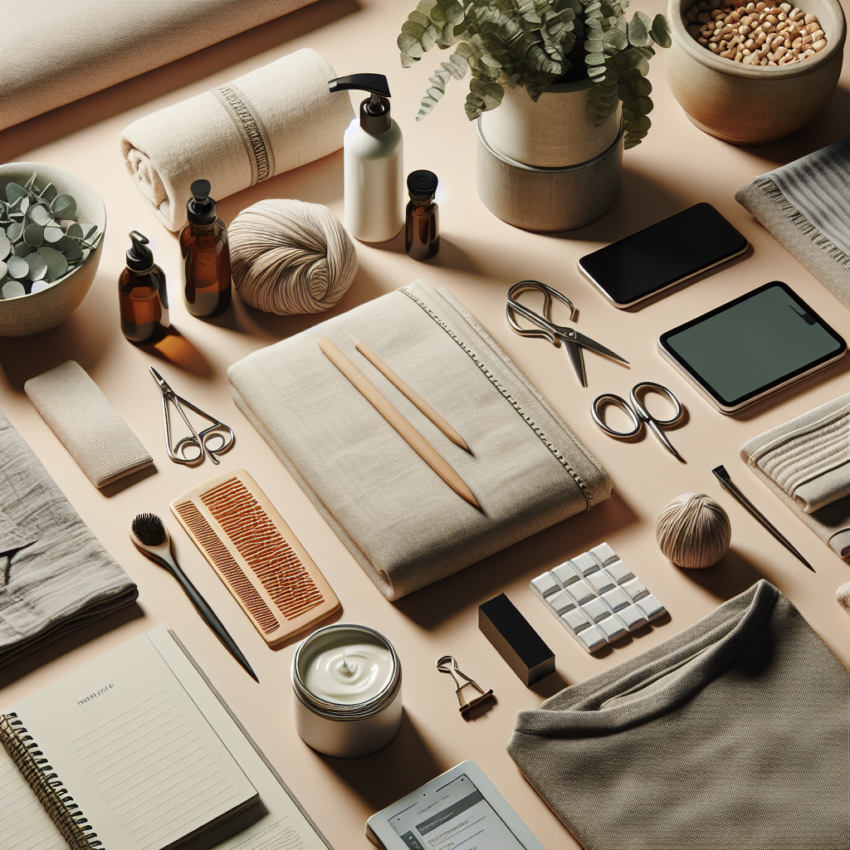
Linen is a versatile and durable textile that has been cherished for centuries due to its unique qualities. When people ask what is linen, they are usually inquiring about the origins of this fabric, its uses, and why it is considered an excellent choice for various applications. Linen is made from the fibers of the flax plant and is renowned for its strength, absorbency, and breathability.
What is Linen?
Linen is a natural fiber that has been used for thousands of years. The process of creating linen involves extracting the fibers from the flax plant’s stalks, which are then spun into threads and woven into fabric. Linen’s natural sheen and slightly textured appearance make it a popular choice for clothing, bedding, and home furnishings.
The Advantages of Linen
Linen is celebrated for its multitude of benefits. It is incredibly breathable, which makes it ideal for warm climates or seasons. The fiber is also highly absorbent, allowing it to wick moisture away from the skin, providing a cooling effect during hot weather.
Additionally, linen is known for its durability. It is one of the strongest natural fibers, which means that garments and items made from linen can last for many years with proper care. Linen’s eco-friendly attributes further add to its appeal, as flax cultivation requires less water and pesticides compared to other crops, such as cotton.
Uses of Linen in Everyday Life
Linen is widely used in the fashion industry for creating lightweight and breathable clothing items. It is particularly popular for summer wear, including dresses, shirts, and trousers. The fabric’s natural texture adds a casual elegance, ideal for both informal and formal attire.
Home furnishings also benefit from linen’s attributes. Linen is a preferred choice for bed linens, curtains, and tablecloths. The fabric’s natural mold and moth resistance make it suitable for various home applications, offering both style and functionality.
For those curious about incorporating linen into more casual settings, you may find inspiration on the diverse ways to use linen in fashion by exploring this guide to casual styles.
Caring for Your Linen
Despite its durability, linen requires some specific care to maintain its quality. It is recommended to wash linen items by hand or in a gentle machine cycle with mild detergents. Avoiding high heat drying will prevent breakage of fibers, preserving the fabric’s integrity.
Linen tends to wrinkle, a characteristic that is often embraced for its casual charm. However, if you prefer a smoother finish, ironing linen while it’s still damp will yield the best results.
Environmental Impact of Linen
What many people also wonder about what is linen pertains to its environmental impact. Linen is considered an eco-friendly fabric. The flax plant requires minimal irrigation, and the production process involves fewer chemicals compared to cotton. Additionally, flax plants are entirely biodegradable, adding to linen’s sustainability.
With growing environmental awareness, choosing materials like linen can be part of a more sustainable lifestyle. Promoting eco-friendly practices, linen stands out as a suitable option for environmentally conscious consumers.
The Historical Significance of Linen
Linen has a rich historical context, with evidence of its use dating back to ancient Egypt. Egyptians valued linen for its breathability and ability to withstand the hot desert climate. The fabric was often associated with purity and luxury, used to wrap mummies and create garments for high-status individuals.
Today, linen continues to be appreciated for its aesthetic and functional qualities, drawing on its storied past while contributing to modern design and fashion.
Conclusion: Embracing Linen for Style and Comfort
Understanding what is linen allows us to appreciate not only its practical uses but also its contributions to sustainability and history. Whether incorporated in fashion or home design, linen offers a timeless elegance and comfort that few other fabrics can rival. As consumers increasingly seek versatile, eco-friendly options, linen stands as a worthy consideration.
- Linen is made from the flax plant and is known for its strength and breathability.
- The fabric is highly absorbent and durable, making it suitable for various applications.
- Linen is an eco-friendly choice due to the sustainable cultivation of flax.
- Its rich historical background adds to its allure in modern fashion and home decor.
- Proper care of linen involves gentle washing and avoiding high-heat drying.
Frequently Asked Questions
What is linen made from?
Linen is made from the fibers of the flax plant, which are spun into threads and woven into fabric.
Is linen a sustainable fabric?
Yes, linen is considered sustainable because flax cultivation requires less water and chemicals than other crops, and it is biodegradable.
How should I care for my linen items?
Linen should be washed in mild detergents on a gentle cycle or by hand and dried without high heat to maintain its quality.
Does linen wrinkle easily?
Yes, linen tends to wrinkle, which is often appreciated for its casual texture. Ironing while damp can remove wrinkles if desired.
Where can I learn more about different textiles?
You can learn more about textiles like linen by visiting the Wikipedia page on textiles for broader information.