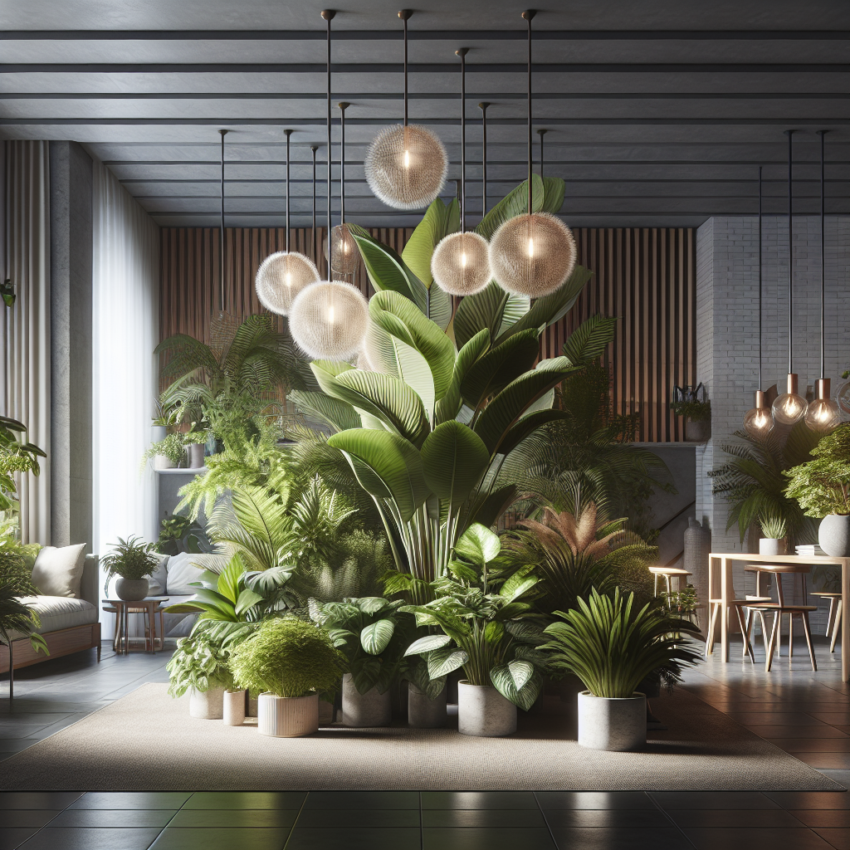
Incorporating indoor plants low light environments can transform your home, even if you’re worried about lack of sunlight. Many plants are adaptable and can thrive with minimal lighting, making them perfect for apartments or rooms with north-facing windows. Let’s dive into which plants suit such conditions and how to care for them, ensuring your home remains vibrant all year round.
Perfect Indoor Plants for Low Light Conditions
Choosing the right plants for low-light areas can significantly enhance indoor air quality and add a fresh touch to your interiors. Here are some favorites among gardening enthusiasts:
Snake Plant (Sansevieria)
The Snake Plant, often referred to as “Mother-in-Law’s Tongue,” is a robust plant that tolerates neglect. Its striking, upright leaves can withstand low light and require watering only once every couple of weeks. Keep it in your bedroom or hallway for an elegant look.
ZZ Plant (Zamioculcas zamiifolia)
The ZZ Plant is an ideal houseplant for beginners due to its hardy nature. It thrives in areas where most plants might wither, acting as both a decorative item and a natural air purifier. Its waxy, smooth leaves reflect light, adding a soft glow to any space.
Boston Fern
With their lush, feathery fronds, Boston ferns add a classic appeal to any home. They prefer humid environments with indirect sunlight, so they are best suited for bathrooms or kitchens. Maintain regular misting to keep them healthy and lush.
Peace Lily (Spathiphyllum)
The Peace Lily is not only visually appealing with its white flowers but is also proficient at filtering indoor air pollutants. Although it blooms better in brighter spots, it can adapt to low-light conditions. Ensure the soil remains moist without being waterlogged.
Tips for Cultivating Indoor Plants in Low Light
Successfully maintaining indoor plants requires understanding their unique needs. Here are some helpful tips to nurture your plants:
Watering Wisely
One key mistake is overwatering. In low-light conditions, plants need less water since they don’t photosynthesize as quickly. Check the topsoil with your finger—if it feels dry, it’s time to water.
Feeding and Potting
Even if your plants are in low light, they will benefit from regular feeding during their growing seasons. Use a balanced fertilizer sparingly to promote health. Ensure your pots have drainage holes to prevent root rot.
Consider Plant Placement
Placing plants closer to their optimal environment will aid their growth. If you have a room lacking windows, consider rotating your plants to brighter areas occasionally to help them thrive.
For inspiration on integrating greenery with home décor, check out how to decorate your home with vintage maps.
Benefits Beyond Aesthetics
Having indoor plants in a low light setting is not only a visual enhancement but also contributes positively to your well-being. Here are a few benefits:
Air Purification
Many indoor plants are known to improve air quality by removing toxins such as formaldehyde and benzene, leading to a healthier living environment. For more on this, visit the informative article on health benefits of houseplants.
Improved Mental Health
Engaging with indoor gardening can be therapeutic, reducing stress and enhancing mood. Plants create a calming effect, potentially improving productivity and focus.
Enhancing Interior Design
Beyond their health benefits, plants add character to your home. They provide texture and color, complementing furniture and adding life to your living spaces.
Whether you’re looking to brighten your décor or enhance your indoor environment, selecting indoor plants low light conditions can work wonders in transforming your space into a sanctuary of greenery and wellness.
- Selecting the right plants can beautify any low-light room.
- Snake Plant, ZZ Plant, Boston Fern, and Peace Lily are excellent choices.
- Proper care involves avoiding overwatering and ensuring adequate humidity.
- Indoor plants help purify air and boost mental health.
- Integrating plants can enhance your interior design.
FAQ
What are the best indoor plants for low light?
Some of the best include Snake Plant, ZZ Plant, Boston Fern, and Peace Lily, known for their ability to thrive with minimal light.
How often should I water indoor plants in low light?
It’s best to water these plants sparingly; once every 1-2 weeks depending on the plant type and humidity levels. Always check the soil before watering.
Can low light indoor plants help purify air?
Yes, many low-light plants help remove toxins from the air, contributing to a healthier indoor environment.
Do indoor plants need special fertilizers?
Though not mandatory, using a balanced, all-purpose fertilizer during the growing season can enhance plant health and growth.
How do I ensure my plants receive enough light in low-light areas?
Rotate them to brighter areas occasionally and consider using grow lights to supplement their light intake when necessary.