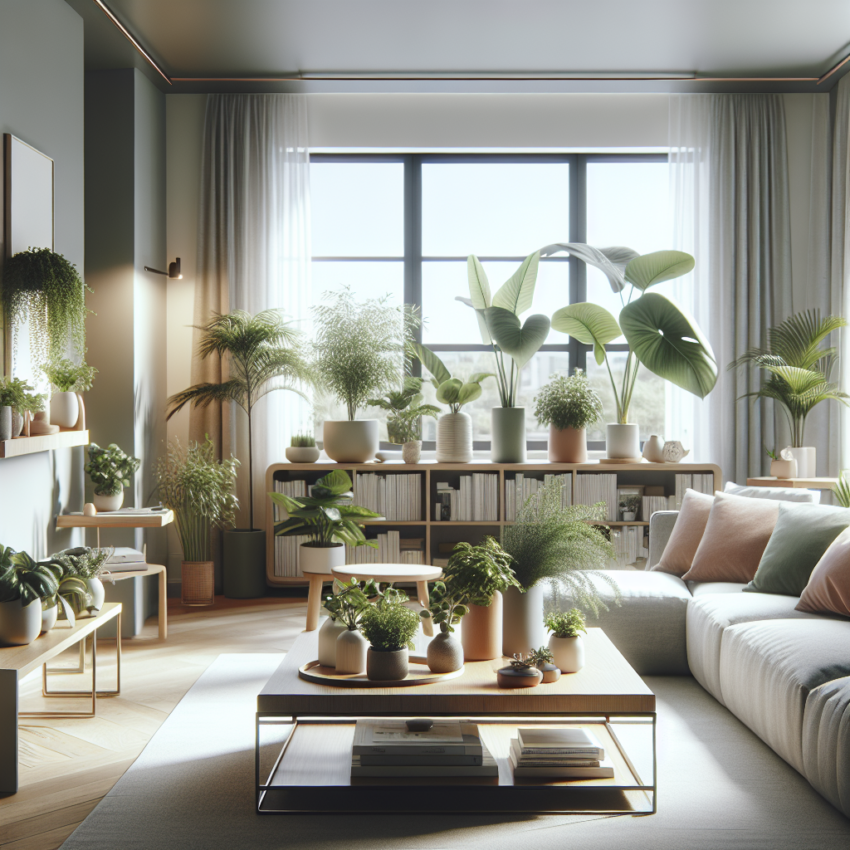
Creating a lush indoor environment often means selecting the right greenery that can thrive without ample sunlight. Many urban homes face this challenge due to a lack of natural light, which is why low light plants have become increasingly popular. These resilient plants not only beautify your space but also contribute to a healthier indoor atmosphere.
Best Low Light Plants for Your Home
When considering decorating your home with greenery, understanding which plants tolerate low light conditions is crucial. Let’s explore some excellent options and practical tips for keeping them thriving.
1. Snake Plant (Sansevieria)
The snake plant is famed for its hardiness and striking appearance. Its upright, sword-like leaves make it a popular choice for modern interiors. This plant is not only aesthetically pleasing but also known for filtering indoor air.
2. Pothos (Epipremnum aureum)
Often dubbed the “devil’s ivy,” pothos is incredibly versatile and resilient. It’s ideal for hanging baskets or draping over shelves, and its heart-shaped leaves add a touch of elegance to any room.
3. Peace Lily (Spathiphyllum)
The peace lily is favored for its glossy leaves and delicate white blooms. It requires minimal care and is capable of thriving in lower light, making it suitable for rooms with minimal sunlight exposure.
4. ZZ Plant (Zamioculcas zamiifolia)
The ZZ plant is characterized by its thick, waxy leaves that reflect sunlight, brightening up any dull corner. It requires infrequent watering and can survive prolonged periods without direct sunlight.
Caring for Low Light Plants
Understanding the specific needs of low light plants ensures they remain healthy and vibrant. Here are some care tips:
- Watering: Most low light plants prefer to dry out between watering sessions. Overwatering is a common mistake, so allow the soil to feel dry to the touch before watering again.
- Humidity: Many low light plants originate from tropical environments. Increasing indoor humidity can help these plants mimic their natural habitat and thrive.
- Soil and Potting: Use well-draining soil and pots with drainage holes to prevent waterlogging. This helps maintain healthy root systems and prevents root rot.
Common Problems and Solutions
Even though low light plants are easy to care for, issues can arise. Here’s how to address some common problems:
- Yellowing Leaves: This could indicate overwatering. Check the soil moisture and adjust your watering schedule accordingly.
- Browning Tips: Often a sign of low humidity, increasing the ambient humidity or misting the plants can help alleviate this issue.
- Stunted Growth: If your plants seem to have halted in growth, consider fertilizing lightly during the growing season to provide the necessary nutrients.
For further information on plant care, you can refer to this detailed resource on houseplants.
Bringing nature indoors through low light plants not only enhances your home’s appearance but also improves air quality and promotes a calm environment. Understanding their care requirements and being attentive to their needs will help you cultivate a thriving indoor garden.
- Low light plants are perfect for homes with limited natural sunlight.
- Popular options include snake plant, pothos, and peace lily.
- Proper watering and drainage are critical for plant health.
- Increasing humidity supports tropical-origin low light plants.
- Address common issues with careful observation and adaptation.
What are the best low light plants for indoor spaces?
Snake plants, pothos, peace lilies, and ZZ plants are among the best low light plants for indoor environments due to their resilience and minimal care requirements.
How often should I water low light plants?
It’s best to wait until the soil feels dry to the touch before watering again. Most low light plants prefer drying out between waterings to prevent overwatering.
Do low light plants need fertilizer?
While not essential, a light fertilization during the growing season can support healthy growth in low light plants, providing them with necessary nutrients.
Can low light plants improve air quality?
Yes, many low light plants, such as the snake plant and peace lily, are known for their ability to filter and improve indoor air quality.
How can I increase humidity for low light plants?
You can increase humidity by placing a humidifier near the plants, grouping them together, or occasionally misting their leaves to simulate their natural environment.