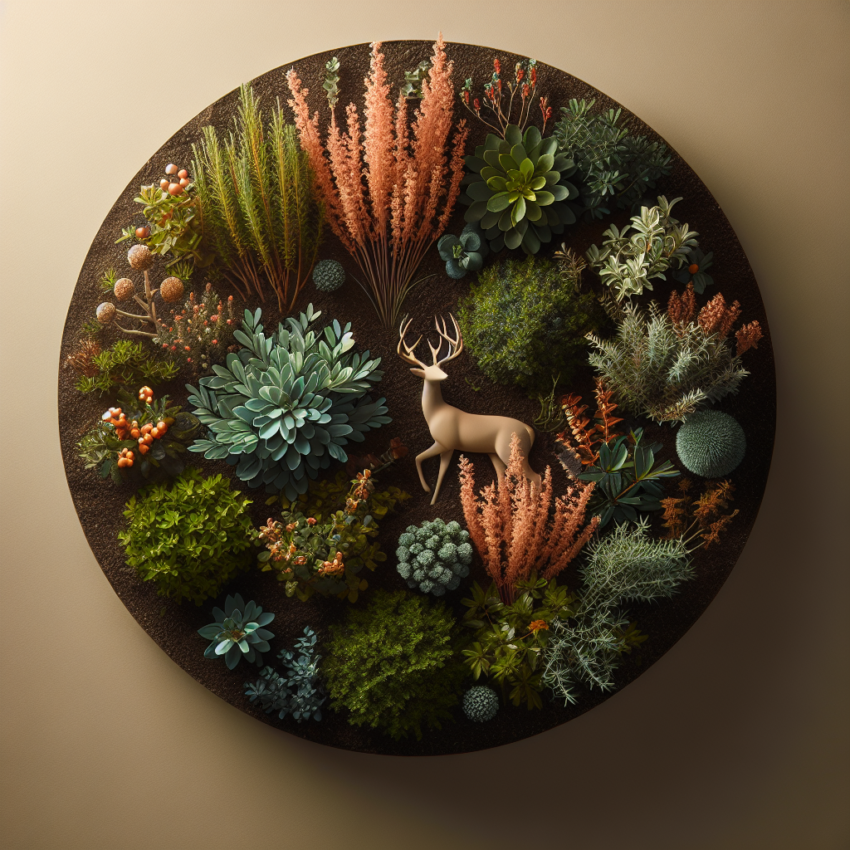
Transforming a garden into a vibrant and thriving space often involves overcoming challenges such as local wildlife. One common concern gardeners face is choosing plants that can withstand the nibbling habits of deer. Fortunately, integrating deer resistant shrubs can offer a solution. These resilient shrubs not only beautify your garden but also deter deer, allowing your plants to flourish with minimal disturbance.
The Best Deer Resistant Shrubs for Your Garden
When selecting deer resistant shrubs, it’s essential to consider both aesthetics and practicality. Certain shrubs have developed unique characteristics that make them less appealing to deer, such as aromatic foliage or thorny branches. Here are some popular choices:
- Boxwood: Known for its dense, evergreen foliage, Boxwood is a classic choice for hedges. Its robust leaves and aromatic qualities often make it unappealing to deer.
- Lavender: While commonly associated with aromatic gardens, Lavender’s strong scent and tough leaves make it a reliable deer proof shrub.
- Barberry: This shrub offers vibrant color options and thorny stems, discouraging deer from munching on them.
- Juniper: With its spiky foliage and evergreen nature, Juniper adds a structural element to gardens that deer tend to avoid.
- Spirea: Notable for its beautiful blooms and resilient nature, Spirea can withstand both deer and drought conditions.
Designing Your Garden with Deer Proof Shrubs
Incorporating deer resistant shrubs into your garden design involves thoughtful planning. When positioning these shrubs, consider not only their aesthetic appeal but also how they can act as natural barriers. Place them around the perimeter of your garden or intersperse them with other plants to create layers of protection.
The strategic placement of deer resistant varieties can protect more vulnerable plants in your garden. Opt for a mix of shrubs that offer varying heights and textures to create visual interest and a dynamic garden design.
Maintenance and Care Tips
While deer resistant shrubs are hardy, they still require some care to thrive. Regular pruning encourages healthy growth and can help maintain your garden’s neat appearance. Ensure these shrubs are placed in well-drained soil and receive adequate sunlight based on their needs. In addition, mulching around the base can retain moisture and shield roots from temperature fluctuations.
Another key aspect of maintenance is vigilance for pests and diseases, which can affect even the hardiest shrubs. Routine checks ensure early detection and treatment, preserving the health of your garden.
Creating a Complete Ecosystem
Deer resistant shrubs are just one part of creating a diverse and sustainable garden ecosystem. By integrating a variety of plants that can coexist without relying heavily on human intervention, you encourage a natural balance that supports local wildlife, excluding deer.
Consider adding a mix of native plants, flowers, and trees alongside your shrubs. These components can attract beneficial insects, birds, and pollinators, enhancing the ecological value of your garden.
Educating yourself on garden best practices can also be beneficial. For insights on how effective wildlife management can contribute to a harmonious garden ecosystem, you might find these tips on maintaining a balanced environment in your garden useful.
Solutions Beyond the Shrubs
While shrubs are a great starting point, combining them with other deterrents can enhance garden protection. Physical barriers, natural repellents, and companion planting strategies can minimize deer intrusion. Understanding local deer behavior also guides effective deterrent methods and strengthens your garden’s defenses.
Conclusion: Embrace Deer Resistant Shrubs
Ultimately, incorporating deer resistant shrubs into your garden can be a worthwhile investment. These plants not only improve the look and feel of your garden but also provide peace of mind by minimizing the risk of deer damage. With proper planning and maintenance, your garden can remain a sanctuary of beauty and tranquility.
For more detailed guidance on maintaining a healthy garden, consider exploring resources that discuss plant health and ecological balance.
- Deer resistant shrubs offer a solution to common wildlife issues in gardens.
- Popular choices include Boxwood, Lavender, and Barberry.
- Design strategies can optimize garden protection against deer.
- Supporting your garden with a mix of native plants encourages biodiversity.
- Combining shrubs with other deterrents strengthens garden defense.
FAQ
What are some common deer resistant shrubs?
Some popular deer resistant shrubs include Boxwood, Lavender, Barberry, Juniper, and Spirea.
How do deer resistant shrubs protect my garden?
These shrubs deter deer through unpalatable characteristics such as strong scents and thorny branches, reducing the likelihood of browsing.
Can deer resistant shrubs thrive in all climates?
While many deer resistant shrubs are adaptable, it’s crucial to choose varieties that suit your local climate and growing conditions for optimal growth.
What maintenance do deer resistant shrubs require?
Regular pruning, soil care, and pest monitoring are necessary to ensure healthy growth and longevity of these shrubs.
Can I combine deer resistant shrubs with other plants?
Absolutely. Creating a diverse garden with a mix of deer resistant and native plants enhances visual appeal and promotes a balanced ecosystem.