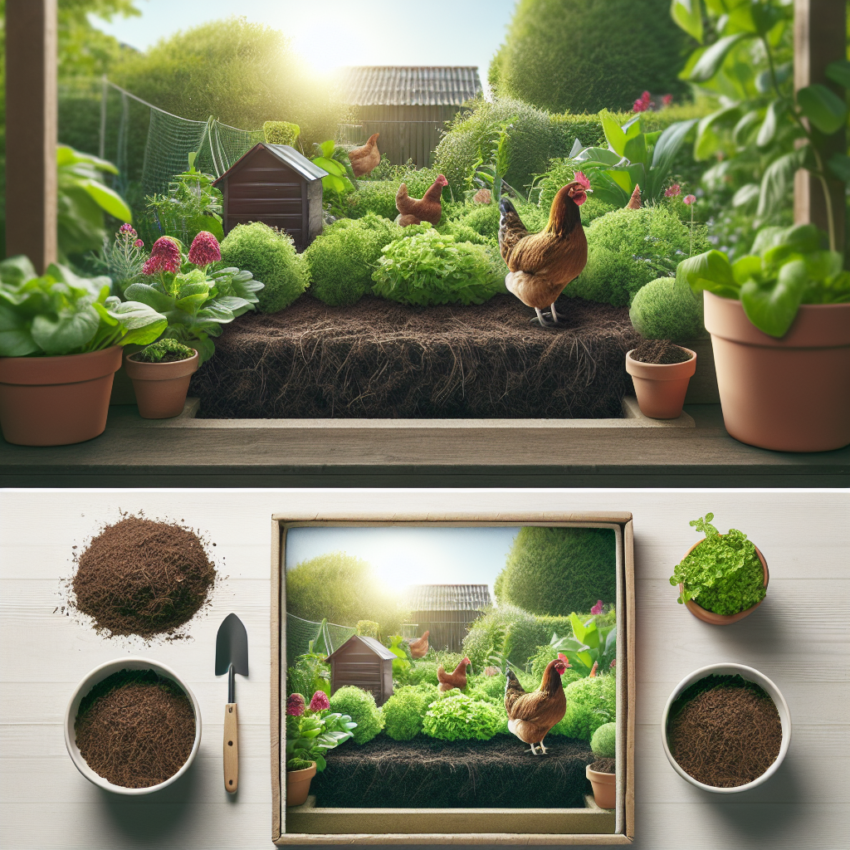
Transforming your garden into a thriving oasis can be more straightforward than you might think, especially with the help of hen manure compost. This natural fertilizer is renowned for its ability to enhance plant growth, improve soil structure, and enrich the soil with necessary nutrients. For those looking to adopt sustainable gardening practices, understanding how to effectively use hen manure compost can be a game changer.
The Advantages of Hen Manure Compost
Hen manure compost exhibits several benefits that make it an excellent choice for gardeners. Rich in nitrogen, phosphorus, and potassium, it serves as a wholesome fertilizer that supports plant health. The slow-release nature of this compost ensures that plants receive nutrients over time, reducing the need for frequent fertilization.
Moreover, the organic matter in hen manure compost contributes to improved soil structure. This natural amendment increases soil aeration and water retention, leading to better root development and plant growth. Beyond its physical properties, hen manure has been shown to enhance the microbial activity in the soil, promoting a healthy and resilient ecosystem.
How to Use Hen Manure Compost in Your Garden
Applying hen manure compost requires a few simple steps to maximize its benefits. Before application, ensure that the compost is well-aged to prevent any potential burning of plants due to excess nitrogen. Typically, a curing period of six months is recommended.
To incorporate hen manure compost into your garden, spread a thin layer (about one inch) over the soil and work it in with a garden fork. This can be done in both vegetable and flower gardens. Regularly turning the soil after the addition helps mix the organic matter thoroughly. For established plants, top dressing — where the compost is applied around the base of plants — can effectively deliver nutrients throughout the growing season.
Integrating Hen Manure Compost into Various Garden Types
Different types of gardens can benefit from the application of hen manure compost. In vegetable gardens, it enhances crop yields by providing essential nutrients for production. Flower gardens, on the other hand, see improvements in the vibrancy and longevity of blooms. Even for homeowners with fruit trees, hen manure can support stronger trees and richer fruit production.
This compost is not limited to traditional garden beds. Raised bed gardens, popular for their efficiency and productivity, also gain from the nutrient-rich properties of hen manure. For those with container gardens, using a diluted compost tea made from hen manure can offer similar benefits without overwhelming the limited soil volume.
Steps to Creating Your Own Hen Manure Compost
For avid gardeners interested in sustainability, creating your own hen manure compost is a rewarding endeavor. Begin by collecting manure from chickens that are healthy and have a balanced diet, as this influences the quality of the compost.
Next, establish a composting area where the manure can be mixed with other organic materials such as straw, leaves, or grass clippings. This not only balances the carbon to nitrogen ratio but also helps control odors and speeds up the composting process.
Throughout the composting period, ensure adequate aeration by turning the pile regularly. Maintaining a proper moisture level is also crucial; the compost should be damp but not waterlogged. Over time, the mixture will transform into dark, crumbly compost ready for use in your garden.
Hen Manure Compost: Sustainable Gardening Practices
The adoption of hen manure compost aligns with the growing trend toward eco-friendly gardening practices. By using this organic fertilizer, gardeners contribute to reducing chemical dependencies and promoting biodiversity within their gardens.
Additionally, recycling hen manure not only minimises waste but also utilizes byproducts from backyard poultry operations. This closed-loop system is a hallmark of sustainable living, where every element is valued and repurposed for further use.
While hen manure compost offers many benefits, remember that following best composting practices ensures safety and effectiveness. This includes allowing compost to age well and applying it in appropriate quantities to avoid over-fertilization. For more sustainable lifestyle tips, consider exploring natural remedies and supplements.
To further explore composting and its long-term benefits on soil health, you might find valuable information in this comprehensive resource on compost.
Hen manure compost is a worthwhile investment for any gardener looking to harmonize beauty and sustainability in their garden. Understanding its properties and applications can bring about lush growth and vibrant life, transforming your outdoor space with nature’s help.
- Hen manure compost is rich in essential nutrients for plant growth.
- It improves soil structure and supports healthy ecosystems.
- Used correctly, it can enhance vegetable, flower, and fruit gardens.
- Sustainable practices make creating your own compost rewarding.
- Proper handling ensures maximized benefits while protecting plant health.
What Are the Key Nutrients in Hen Manure Compost?
Hen manure compost is rich in nitrogen, phosphorus, and potassium, critical nutrients that support robust plant growth and development.
Can Hen Manure Compost Benefit Container Gardens?
Yes, hen manure compost can benefit container gardens when used as a diluted compost tea, providing essential nutrients without overwhelming the soil.
How Can I Ensure Hen Manure Compost Is Safe for My Plants?
To ensure safety, always allow the manure to compost for at least six months and apply it in appropriate quantities, avoiding excessive nitrogen concentrations.
Is Hen Manure Suitable for All Types of Plants?
While generally beneficial, it’s essential to test the compost with a small number of plants first, as some species may be more sensitive to nutrient changes.
How Does Hen Manure Compost Improve Soil Structure?
The organic matter in hen manure compost enhances soil texture by improving aeration and moisture retention, promoting healthier plant root systems.