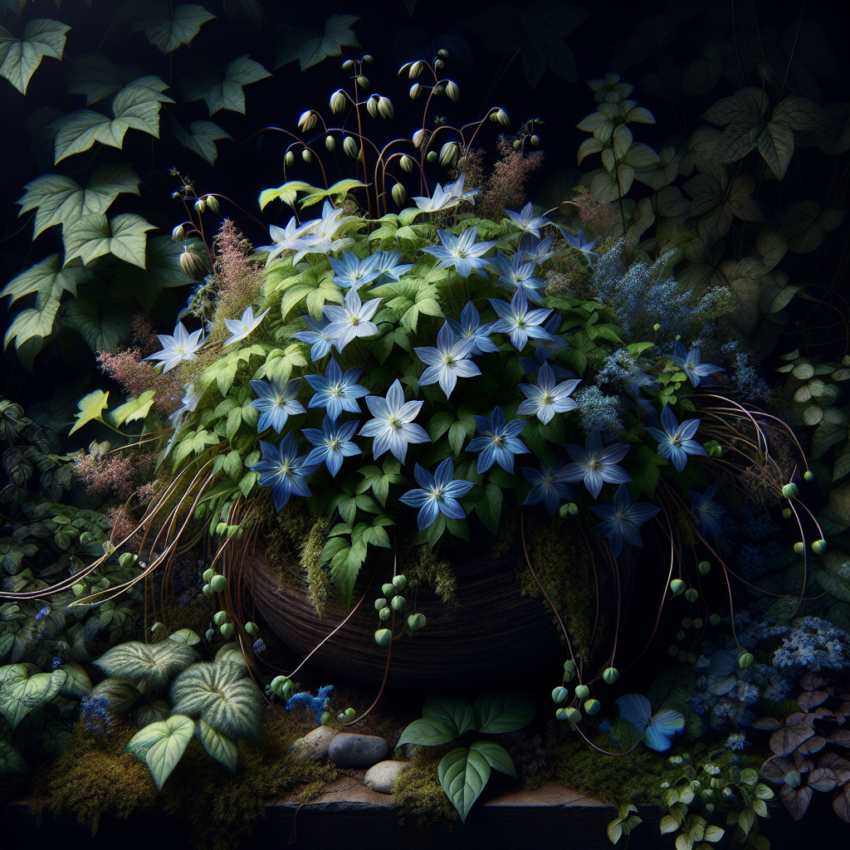
The blue star creeper is a delightful, low-growing plant that can transform your garden into a stunning visual delight. This versatile and hardy perennial is ideal for gardeners seeking lush ground cover without the hassle. With its dainty, star-shaped blossoms, the blue star creeper offers a charming aesthetic that enhances the beauty of any landscape.
Understanding the Blue Star Creeper
Renowned for its low-growing, mat-like appearance, the blue star creeper is a favored choice for filling gaps between paving stones, edging garden beds, or even as an alternative to traditional lawns. Originating from Australia, this plant not only thrives in various climates but also requires minimal maintenance once established.
In addition to its aesthetic appeal, the blue star creeper is celebrated for its resilience. This feature makes it an excellent option for busy gardeners who yearn for a beautiful garden without the demand for constant upkeep. For more ideas on integrating natural beauty in your lifestyle, explore our article on natural remedies and lifestyle improvements.
Growing Conditions and Care
To successfully cultivate a thriving blue star creeper, understanding its preferred growing conditions is essential. This plant flourishes in full sun to partial shade, making it adaptable to various garden environments. While it prefers well-drained soil, the blue star creeper is versatile enough to tolerate a range of soil types.
Regular watering is crucial during the initial growth stages, but once the plant is established, it becomes quite drought-tolerant. This quality not only conserves water but also reduces effort for the gardener. Be mindful of overwatering, as this can impact the plant’s health adversely.
Integrating Blue Star Creeper in Your Garden
Creating a cohesive and visually appealing garden involves strategic placement of plants like the blue star creeper. Whether lining garden paths, filling spaces between stepping stones, or covering areas susceptible to erosion, this plant can serve multiple decorative and functional purposes.
For those who prefer a layered look, consider pairing the blue star creeper with taller ornamental grasses or flowering perennials. This contrast not only adds depth but also accentuates the charming blue-violet flowers against the backdrop of lush greenery.
Additional Benefits of the Blue Star Creeper
Beyond its visual appeal, the blue star creeper offers several practical advantages. Its dense mat does an excellent job suppressing weeds, significantly reducing the need for maintenance. This ground cover also provides a soft, walkable surface, suitable for areas where traditional grass may struggle to thrive.
Furthermore, despite its delicate appearance, the blue star creeper is surprisingly resilient against foot traffic. It’s an ideal choice for gardeners needing a robust yet aesthetically pleasing plant that can withstand various challenges.
Addressing Common Concerns
While the blue star creeper is generally easy to manage, it’s important to be aware of potential concerns. In highly humid environments, it may become susceptible to fungal diseases. Fortunately, these can be mitigated through proper spacing and ensuring good air circulation around the plants.
Additionally, while not aggressive, the blue star creeper can spread beyond its intended area if left unchecked. Regular trimming and monitoring can prevent this, ensuring your garden remains neat and controlled.
For more comprehensive information on plants and their benefits, visit this resource on health and plants for additional insights.
The blue star creeper can be a delightful addition to any garden. Its ability to provide stunning ground cover with minimal effort makes it a popular choice among gardeners. With proper care and strategic integration, this charming perennial can transform your garden into a picturesque retreat.
- The blue star creeper is ideal for ground cover due to its hardy nature and beautiful blooms.
- This plant thrives in a range of conditions, preferring well-drained soil and full sun to partial shade.
- Once established, it requires minimal maintenance and is drought-tolerant.
- It provides practical benefits such as weed suppression and aesthetic appeal.
- Potential issues such as overgrowth and fungal diseases can be managed with regular care.
What are the best growing conditions for the blue star creeper?
The blue star creeper prefers well-drained soil and can thrive in full sun to partial shade. It is adaptable to various environments and becomes drought-tolerant once established.
Can blue star creeper be used as a lawn alternative?
Yes, the blue star creeper is an excellent lawn alternative due to its dense ground cover, resilience, and ability to withstand light foot traffic.
How should I handle overgrowth of blue star creeper?
Regular trimming and monitoring can prevent the plant from spreading beyond its intended area, ensuring your garden remains neat and controlled.
Are there any pests or diseases I should be aware of?
While generally hardy, the blue star creeper may be susceptible to fungal diseases in humid conditions. Proper spacing and air circulation can help mitigate this.
Is the blue star creeper suitable for all climates?
The blue star creeper is quite adaptable and can thrive in a range of climates, making it a versatile choice for gardeners in different regions.