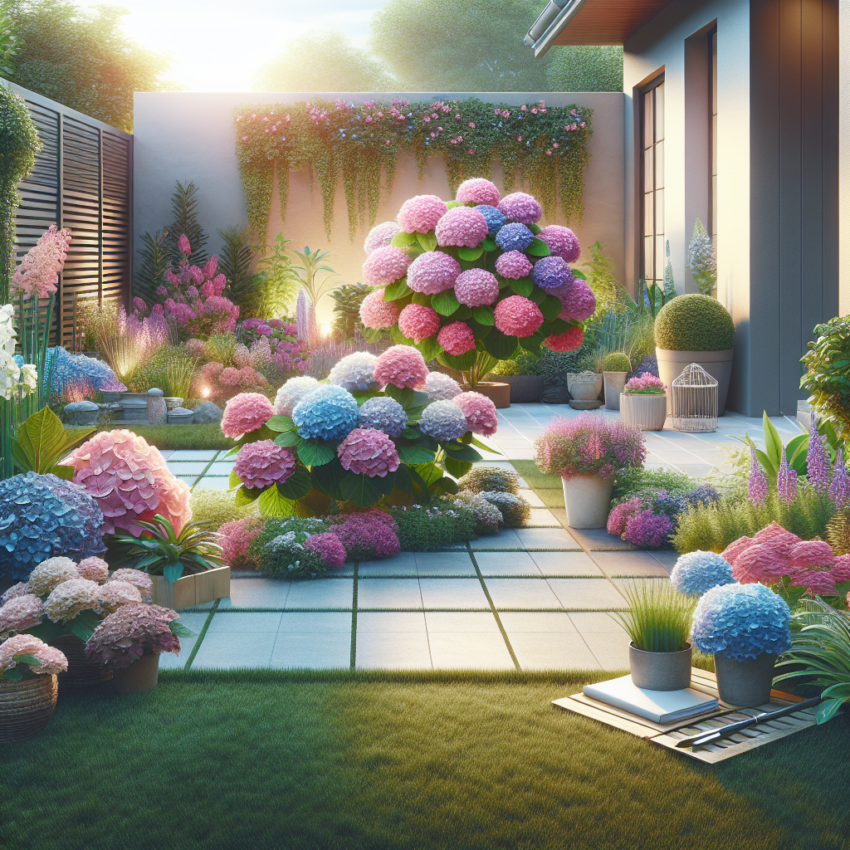
The hydrangea everlasting summer is an enchanting addition to any garden, renowned for its ability to bloom repeatedly throughout the season. Unlike traditional hydrangeas that bloom only once, this variety can transform your garden into a vibrant oasis from spring until the first frost. With its captivating colors and easy-to-care nature, gardeners find it irresistible.
The Allure of Hydrangea Everlasting Summer
The hydrangea everlasting summer stands out for its capability to produce blooms on both new and old wood. This unique characteristic means that even if a part of the plant is damaged by winter frost, it can still bloom beautifully in the upcoming season. This makes it an excellent choice for gardeners in various climates.
Available in a range of colors from vivid blues to rich pinks, the hydrangea everlasting summer can change color based on soil pH. Acidic soils may produce blue flowers, while alkaline soils tend to bring out pink hues. This ability allows gardeners to customize their garden palettes by altering soil conditions.
Planting and Caring for Hydrangea Everlasting Summer
When planting your hydrangea everlasting summer, choose a location with morning sun and afternoon shade. This ensures the plant gets enough sunlight without the intense heat that can dry it out. Plant in well-drained, moist soil and water regularly during dry spells.
Fertilizing annually with a balanced fertilizer will promote vibrant growth. Pruning is generally minimal but can be done in early spring to remove dead stems. This encourages new growth and maintains the health and aesthetics of the plant.
Companion Plants for a Stunning Garden
Pairing your hydrangea everlasting summer with other perennials can create a stunning garden display. Consider planting alongside coneflowers, hostas, and astilbe which thrive in similar conditions and offer contrasting textures and colors.
Avoid overcrowding plants, as hydrangeas need ample air circulation to prevent fungal diseases. A well-spaced garden with diverse plant life will ensure each plant reaches its full potential.
Common Issues and Solutions
Hydrangeas, including the hydrangea everlasting summer, can be susceptible to pests such as aphids and spider mites. Regular inspection and organic pest control solutions like neem oil can keep pest populations in check.
If you encounter issues with powdery mildew or leaf spots, ensuring proper air circulation and avoiding overhead watering can mitigate these problems. Proper garden hygiene and maintenance play crucial roles in maintaining plant health.
Extend Your Garden Knowledge
Understanding how different factors influence plant health can enhance your gardening success. For instance, did you know your upper teeth molars can affect your brain health? Discover more insights with this interesting exploration on oral health and brain connections.
Sharing the Joy of Gardening
Gardening with hydrangea everlasting summer offers a therapeutic experience that extends beyond aesthetics. Sharing this knowledge and beauty with family and friends can enhance community bonds and inspire others to cultivate their own green spaces. Gardening fosters patience, dedication, and a deeper understanding of nature’s cycles.
Whether you are an experienced gardener or just starting, the hydrangea everlasting summer is an exciting plant to cultivate. Enjoy seasonal blooms, experiment with soil pH to discover new color schemes, and pair with other plants for a visually stunning garden retreat.
For further gardening insights, explore numerous resources available online, such as this detailed guide on hydrangeas, which can provide additional tips and techniques for successful cultivation.
Conclusion: A Blooming Investment
Adding hydrangea everlasting summer to your garden is an investment that continues to repay with enduring beauty. Its unique capacity for reblooming and adaptability to varying soil conditions make it ideal for gardeners seeking low-maintenance, spectacular flora. In conclusion, the hydrangea everlasting summer promises to transform your garden into a perennial paradise.
- Hydrangea everlasting summer blooms on both new and old wood.
- Colors change based on soil pH, providing a customizable palette.
- Minimal care required; suitable for a wide range of climates.
- Companion planting enhances garden aesthetics and health.
- Gardening with hydrangeas offers therapeutic benefits.
What is the best soil condition for hydrangea everlasting summer?
These hydrangeas thrive in well-drained, moist soil with rich organic matter. Adjusting the soil pH can influence flower color.
How often should I water my hydrangea everlasting summer?
Regular watering is key, especially during dry spells. Ensure the soil remains consistently moist but not waterlogged.
When is the best time to prune hydrangea everlasting summer?
Prune in early spring before new growth begins. Focus on removing dead or damaged stems to promote healthy growth.
Can I change my hydrangea’s flower color?
Yes, altering the soil pH can change flower colors. More acidic soil turns blooms blue, while alkaline soil results in pink hues.
Are there specific pests I should watch for?
Aphids and spider mites are common pests. Regular inspection and using organic treatments like neem oil can keep them at bay.