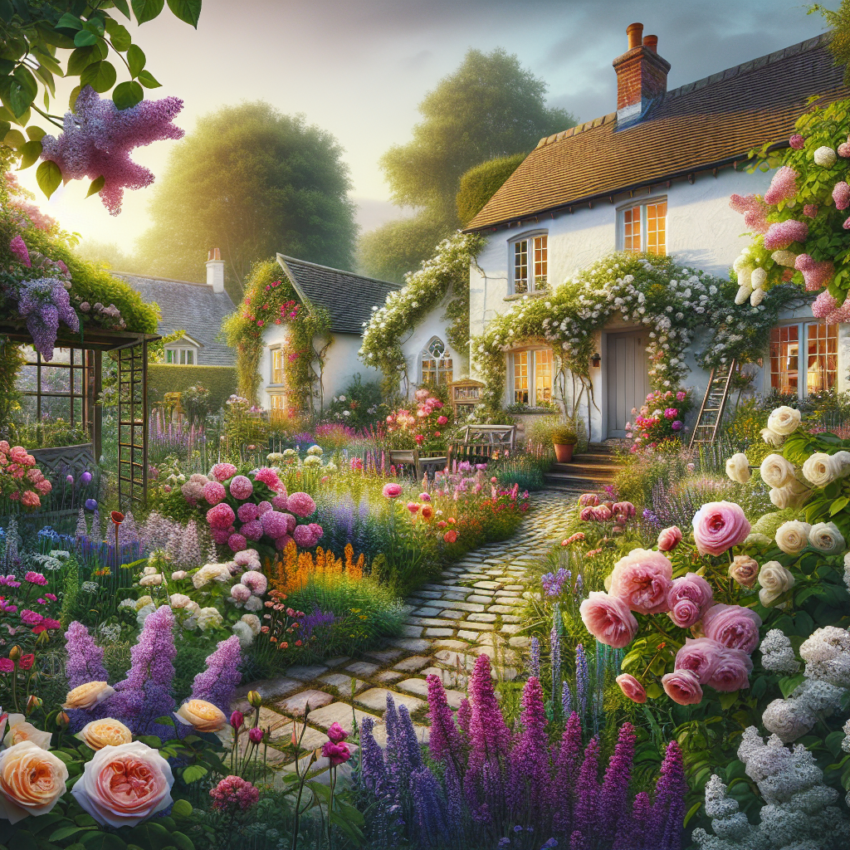
If you’re dreaming of transforming your home with the aesthetic charm of a cottage garden garden, you’re not alone. The allure of lush greenery, vibrant blooms, and rustic elements captures the heart and mind of many home enthusiasts. Cottage gardens evoke a sense of tranquility and nostalgia, blending nature’s beauty with human artistry.
How to Create a Cottage Garden Garden
Creating your own cottage garden garden involves embracing a mix of informal plantings with a structured, yet relaxed design. Start by choosing a variety of plants that appeal to you. Opt for a mix of perennials, annuals, and biennials to provide color and interest throughout the seasons. Traditional flowers such as hollyhocks, roses, and foxgloves are staples in such gardens.
Designing the Layout
Design is critical in establishing a cottage garden’s appearance. While the beauty lies in its seeming randomness, it’s the thought-out mixtures and natural blending that make the garden special. Paths can be made from gravel, stepping stones, or brick, adding a rustic touch. Also, incorporating arches or trellises with climbing plants like wisteria or clematis adds vertical interest.
Choosing the Right Plants
Cottage gardens thrive on diversity. Consider traditional picks like lupines, delphiniums, and daisies, ensuring that your choices vary in height, color, and blooming periods. Don’t forget to include herbs like lavender, rosemary, or thyme, not just for their visual appeal but also for their delightful scents and practical uses.
Including edible plants is another great option, seamlessly integrating beauty and function. Consider berries, lettuces, or even small fruit trees if space permits. For more insights into integrating unique vintage-loving themes, see how you can decorate your home with vintage maps.
Embracing Wildlife
Emphasizing biodiversity, cottage gardens are not only visually enchanting but also environmentally friendly. They attract bees, butterflies, and other beneficial wildlife to your backyard. By planting native species and using organic practices, you help sustain local ecosystems while enjoying a lively atmosphere in your garden.
Benefits of a Cottage Garden Garden
Besides aesthetic allure, a cottage garden garden offers several benefits. It encourages an active lifestyle through gardening activities, which can be both mentally stimulating and physically beneficial. Furthermore, the personalized plant selection means you can create a garden that suits your climate and personal preferences.
Personalized Space and Relaxation
A cottage garden provides a personal sanctuary where you can unwind amidst nature’s splendor. The informal abundance of flowers and plants creates an inviting, serene environment ideal for relaxation and contemplation.
Gardening itself is a therapeutic activity that can significantly reduce stress levels. Working with soil, tending to plants, and enjoying the fruits of your labor provide a deep sense of satisfaction and well-being.
Community and Educational Opportunities
Your cottage garden can also become a community focal point. Sharing tips, seeds, and experiences with neighbors or joining community gardening groups can be an enriching experience. It’s also a fantastic educational opportunity to teach children about nature, biology, and ecosystems.
For more information on the environmental benefits and biodiversity that gardens bring, consider exploring resources like this thorough article on human biodiversity.
Final Thoughts on Creating Your Cottage Garden Garden
Transforming your space into a cottage garden garden is a rewarding journey. It brings together nature’s beauty with personal expression, inviting you to enjoy the sights, smells, and sounds of your unique creation. Tailor your garden with favorite plants, embrace a variety of species, and explore different design elements to craft a charming environment.
- Cottage gardens combine beauty with biodiversity, supporting local ecosystems.
- Creative design and plant variety are key to achieving the cottage garden look.
- Incorporating paths and features adds depth and interest to your garden.
- A cottage garden can provide both mental and physical health benefits.
- Sharing your garden passion can build community connections and educational opportunities.
What are the key features of a cottage garden?
A cottage garden is characterized by its informal, diverse plantings, often consisting of a mixture of flowers, herbs, and sometimes vegetables. It includes structured paths with an overall look that is intentionally casual and colorful.
What types of plants are best for a cottage garden?
Plants such as hollyhocks, roses, foxgloves, lupines, and daisies are ideal. Also, consider herbs like lavender and rosemary, as well as climbing plants like wisteria.
Can a cottage garden be created in small spaces?
Yes, cottage gardens can be adapted for smaller spaces like balconies or petite backyards. Use container gardening techniques and vertical elements to maximize space.
How can a cottage garden support wildlife?
By incorporating native plants, using organic gardening practices, and providing habitats, a cottage garden can attract and sustain beneficial wildlife such as bees, butterflies, and birds.
What are some practical tips for maintaining a cottage garden?
Regular weeding, deadheading spent flowers, and ensuring adequate watering are key maintenance tasks. Regularly review the garden layout to accommodate plant growth and change as needed.