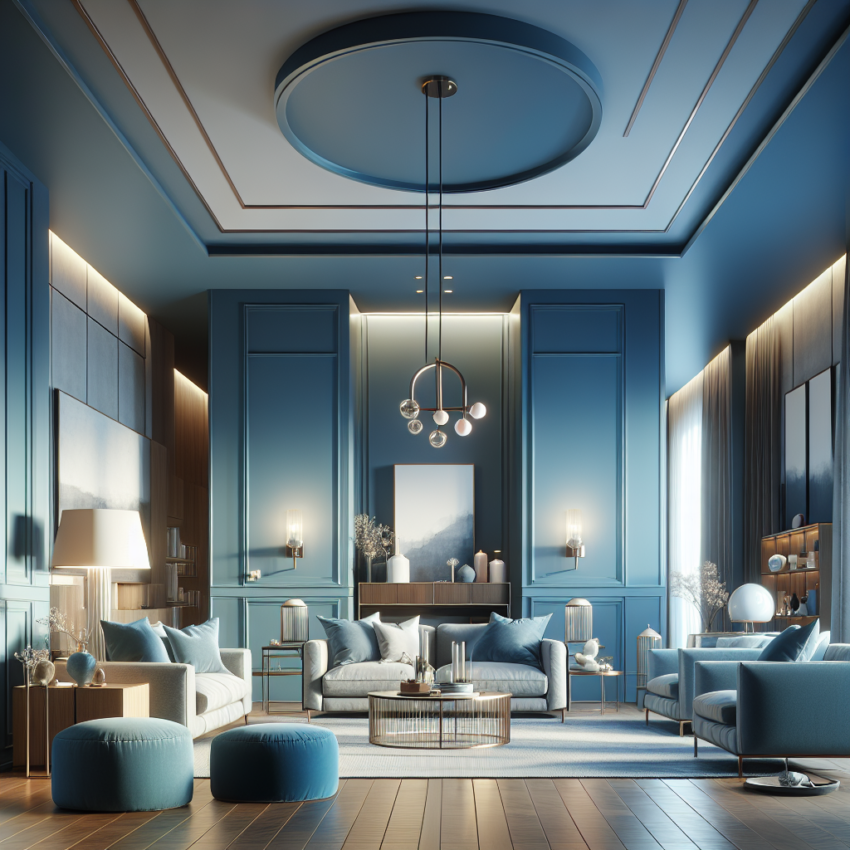
Choosing the right paint blue paint colors can dramatically transform the ambiance of any space. Whether you’re looking to create a tranquil oasis in your bedroom or a vibrant statement wall in your living room, blue paint can offer endless possibilities. This article explores various shades of blue and how they can be effectively used to elevate your interior design.
Why Choose Paint Blue Paint for Your Home?
Blue paint colors are known for their versatility and ability to complement a wide range of decorating styles. From the calm and serene to the bold and striking, blue hues can set the tone for a space. Pale blues can create a soothing atmosphere perfect for bedrooms, while deeper shades like navy can add sophistication and drama to a dining room.
One of the greatest advantages of choosing blue paint is its association with the natural elements of water and sky, which can bring a sense of freshness and tranquility to indoor environments. Whether you prefer a coastal look or a modern aesthetic, there’s a blue shade that will enhance your space.
Pale and Serene Blue Tones
Pale blue shades are ideal for creating a serene and calming environment. These soft hues are perfect for bedrooms or bathrooms where relaxation is key. Baby blue or sky blue can work beautifully on walls, paired with white or light wood furniture to maintain an airy feel.
For those looking to revamp their space with soft blue tones, considering vintage or handcrafted accents can add a touch of personality and warmth. You might be inspired by the vintage maps trend, which pairs well with softer blue hues for a timeless aesthetic.
Bold Blue Paint Colors
If you’re aiming to make a statement, bold blue paint colors such as cobalt or navy blue could be the perfect choice. These rich tones can add depth and elegance to any room. Consider painting a statement wall in your living room or home office to create a focal point that draws the eye.
Dark blue colors are particularly effective in spaces where you want to evoke a sense of luxury and sophistication. When paired with metallic accents like gold or brass, these shades can create a dramatic and upscale look.
Pairing Blue with Other Colors
When choosing blue paint, think about the other colors in your space. Blue pairs beautifully with a variety of colors, allowing for versatility in design. Traditional combos include blue and white for a crisp and clean look, or blue and beige for a more grounded and earthy feel.
For those feeling adventurous, blue can also be paired with striking colors like orange or yellow for a more vibrant and energetic vibe. The key is to balance the intensity of the colors to maintain a cohesive look.
The Science Behind Paint Blue Paint Choices
Color psychology plays a key role in paint blue paint choices. Blue is often associated with feelings of calmness and tranquility. According to numerous studies, blue can lower heart rate and create a sense of peace, which is why it’s a popular choice for bedrooms and spa-like bathrooms. Its associations with trust and stability also make it an excellent choice for workspaces.
Different shades of blue evoke different emotions and energy levels. For example, light blues can help make small spaces feel more spacious, while darker blues can add depth and coziness. To understand more about how color affects mood and perception, you can check this article on color psychology.
Practical Tips for Using Blue Paint
- Test paint samples in your space before committing, as lighting can significantly alter a color’s appearance.
- Consider using different shades of blue within the same room for a layered effect.
- Don’t forget about paint finishes; a satin or eggshell finish can add to the elegance, while matte can give a more modern look.
Choosing the right paint blue paint can be an exciting journey full of creative possibilities. These tips and insights aim to help you select the perfect blue that complements your style and transforms your space with beauty and harmony.
- Paint blue paint can transform your space, offering tranquility or bold statements.
- Pale blues are ideal for serene spaces, while bold blues add drama.
- Color pairing is crucial for achieving the desired ambiance.
- Testing shades in your space is essential due to lighting effects.
- Consider the emotional impact of blue tones in different rooms.
What rooms are best suited for blue paint?
Blue paint is versatile and can be used in nearly any room, but it is particularly effective in bedrooms and bathrooms due to its calming properties. It’s also popular in living rooms and kitchens for its capability to create an inviting and relaxing environment.
Can blue paint make a room feel larger?
Yes, light blue shades can make a small room feel more spacious by reflecting more light and giving the illusion of a larger area. Dark blue, on the other hand, can add coziness and depth but may visually shrink the space if overused.
How do I choose the right shade of blue?
Consider the mood you want to create and the existing color palette in the room. Testing paint samples in different lighting conditions can also help you decide. Think about how you want the room to feel and its purpose when selecting the shade.
Are there specific color combinations with blue I should avoid?
While blue pairs well with many colors, combining it with similarly strong colors without a neutral to balance can create a visually overwhelming space. Always aim for harmony and balance in your color combinations.
What finish should I choose for blue paint?
The finish depends on the style and function of the room. A satin or eggshell finish is versatile, whereas matte provides a modern look and high gloss can add a luxurious feel. Assess the room’s lighting and usage when choosing a finish.