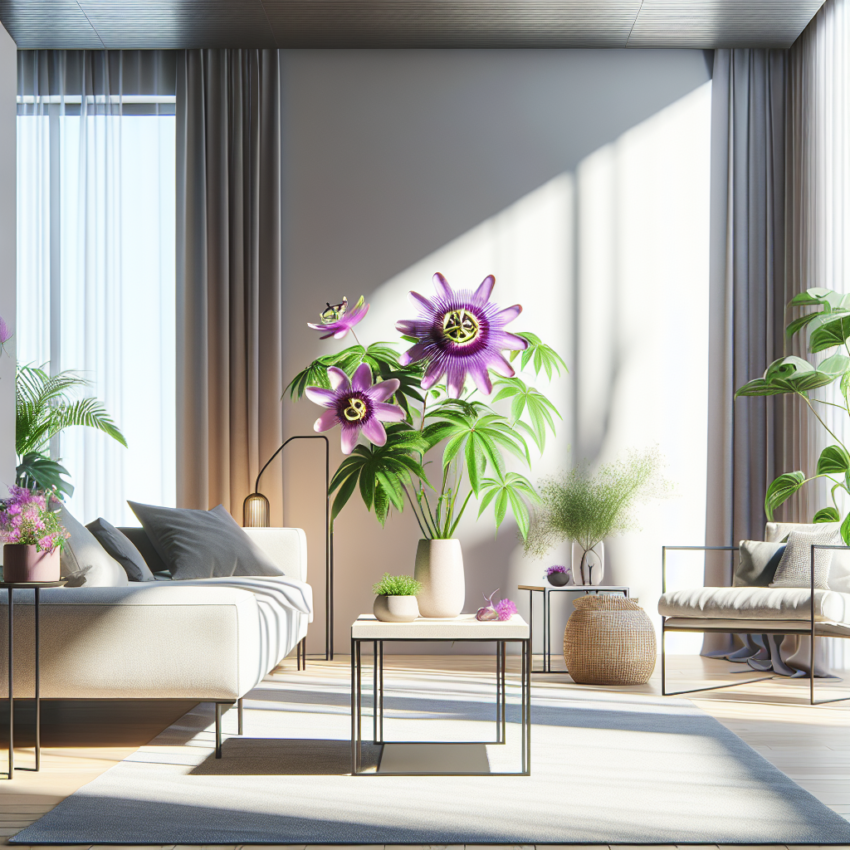
The purple passion plant, a captivating addition to any indoor garden, has gained popularity due to its striking appearance and easy-care nature. Known scientifically as Gynura aurantiaca, this vibrant houseplant offers dramatic purple-flecked foliage that adds a touch of exotic beauty to your home. If you’re looking to enhance your space with a unique and visually appealing plant, the purple passion plant is a perfect choice.
Understanding the Purple Passion Plant
The purple passion plant, with its velvety purple leaves, is a showstopper. Native to Southeast Asia, it thrives in warm, humid environments and can be an excellent addition to your indoor plant collection. Beyond its aesthetic appeal, it can also contribute to a soothing atmosphere in your home. Despite its exotic origins, it’s surprisingly easy to care for, requiring minimal effort to maintain its vibrant color and lush foliage.
Caring for Your Purple Passion Plant
Proper care is crucial for any houseplant, and the purple passion plant is no exception. Here are some essential tips to ensure your plant stays healthy and radiant:
- Lighting: This plant thrives in bright, indirect light. Direct sunlight can cause the leaves to lose their vibrant color, so it’s best placed near an east or west-facing window.
- Watering: Allow the soil to dry slightly between waterings. Overwatering can lead to root rot, which is a common issue with this plant.
- Humidity: A humid environment is ideal for the purple passion plant. Consider using a humidity tray or place it in a naturally humid room like a bathroom.
- Temperature: It prefers temperatures between 60-75°F. Avoid temperature extremes to prevent stress on the plant.
Propagation Techniques
One of the joys of growing a purple passion plant is its ease of propagation. This allows you to create new plants to share or enhance other areas of your home. The most effective method is through stem cuttings:
- Identify a healthy stem and use a clean, sharp knife or scissors to cut a section with at least two nodes.
- Remove the lower leaves and place the cutting in water or directly into moist potting soil.
- Keep the cutting in a bright, warm location and water regularly until roots form.
With patience and care, you’ll soon have additional thriving plants to enjoy.
Decorating with the Purple Passion Plant
The vibrant colors of the purple passion plant make it a versatile choice for home decor. Its unique texture and color can complement various design styles, from modern to bohemian. Here’s how you can incorporate it into your space:
- Accent Piece: Use it as a focal point on your coffee table or a bookshelf to draw the eye.
- Grouped Display: Pair with other foliage plants to create a lush, green (and purple) corner.
- Hanging Baskets: Its trailing nature makes it ideal for hanging, allowing the purple leaves to cascade dramatically.
Natural Remedies and Supplements
Plants are not just pretty to look at; they can contribute to a healthier environment and lifestyle. For example, you might be interested in exploring natural remedies that can support brain health. While the purple passion plant itself is not a remedy, having plants in your home can enhance mental well-being by promoting a calming and serene environment.
Benefits and Considerations
Besides its aesthetic appeal, the purple passion plant can contribute to better indoor air quality by reducing pollutants and increasing humidity. However, it is crucial to ensure that it is not within reach of pets or small children, as it can be toxic if ingested. Always use caution when situating plants in shared spaces.
Conclusion
The purple passion plant is an excellent choice for those seeking to add a splash of color and life to their home. Its easy care and stunning appearance make it a popular houseplant. Remember, cultivating a thriving plant collection involves patience, observation, and regular care. With these considerations, the purple passion plant can be a delightful addition to your living space.
- Choose the right lighting to maintain the plant’s vibrant color.
- Be mindful of your watering schedule to avoid overwatering.
- Propagate new plants easily through stem cuttings.
- Use this plant creatively in your home decor.
- Always ensure safety by keeping the plant out of reach from pets and small children.
Is the purple passion plant pet-friendly?
No, the purple passion plant can be toxic to pets if ingested. It’s best to keep it out of reach of pets and small children.
How often should I water my purple passion plant?
Allow the soil to dry slightly between waterings. Typically, watering once a week is sufficient, but always check the soil moisture level first.
What type of soil is best for the purple passion plant?
A well-draining potting mix is ideal for the purple passion plant to prevent root rot. Consider using a peat-based mix.
Can I keep the plant outdoors?
The purple passion plant prefers indoor conditions unless you live in a tropical climate with mild temperatures. Avoid direct sunlight and temperature extremes.
Where can I learn more about indoor plant care?
You can find detailed information about indoor plant care from reliable sources such as this page on household plant health benefits.