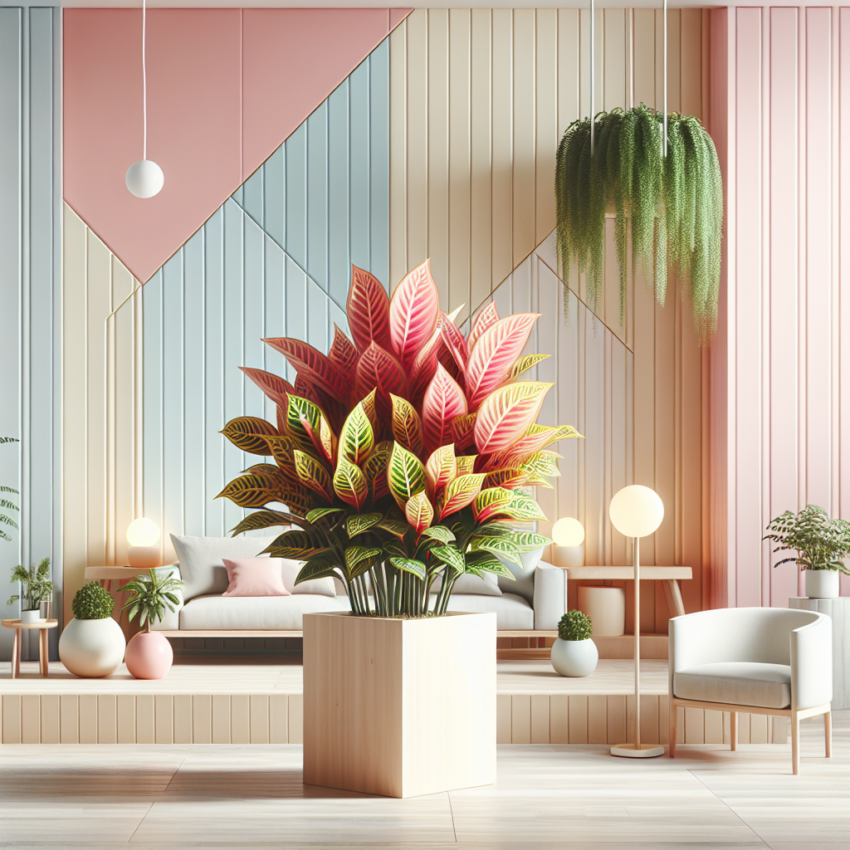
The croton plant is a vibrant and colorful houseplant that can transform any space with its stunning foliage. Known for its striking leaves that come in brilliant shades of red, orange, yellow, and green, the croton plant is a favorite among plant enthusiasts and home decorators alike. Whether you’re looking to add a pop of color to your living room or boost your office’s atmosphere, the croton plant can be a beautiful addition.
The Croton Plant: A Splash of Color for Your Home
The croton plant is native to Malaysia, India, and some Pacific Islands, making it a tropical delight in any home. It thrives in bright, indirect light and requires regular watering to maintain its vibrant colors. However, it’s important to ensure the soil is well-draining to prevent root rot. This plant can be sensitive to changes in its environment, so try to keep it in a consistent location that meets its needs.
One of the reasons the croton plant is so loved is because of its wide variety of leaf patterns and colors. Each plant is unique, offering different textures and shades that can complement various interior design themes. Crotons are not only visually appealing but also relatively easy to care for, making them a perfect choice for both novice and experienced plant owners.
For those interested in sustainable gardening practices, integrating efficient irrigation systems can enhance the health and growth of your croton plant, ensuring it receives the optimal amount of moisture year-round.
Light and Temperature Requirements
The croton plant requires bright, indirect light to keep its colors vibrant. While it can tolerate some direct sunlight, too much can lead to leaf scorch. Ideally, you should place your croton near a window where it can receive filtered light throughout the day. If you’re growing your croton indoors, remember that artificial lighting can also supplement its light needs.
Temperature is another crucial factor. Crotons thrive in warm and humid conditions, typically between 60°F to 85°F (15°C to 29°C). They don’t fare well in cold drafts or drastic temperature changes, which can cause leaf drop. Maintaining consistent warmth and humidity will help your croton thrive and stay colorful.
Watering and Soil Needs
Proper watering is essential for the health of the croton plant. It prefers consistently moist soil but does not like to sit in water. Overwatering can lead to root rot, so it’s vital to ensure the pot has adequate drainage holes. It’s recommended to allow the top inch of soil to dry out before watering again.
The ideal soil for croton plants is well-draining and rich in organic matter. You can use a standard potting mix and amend it with a bit of sand or perlite to promote drainage. Regularly feeding the plant with a balanced, water-soluble fertilizer during the growing season can also help keep the foliage healthy and vibrant.
Pests and Common Issues
Like many plants, crotons are susceptible to pests such as spider mites, mealybugs, and scale. Regularly inspecting your plant can help you catch these pests early. A gentle wash with a mixture of water and dish soap or applying neem oil can effectively combat infestations.
If your croton’s leaves start turning brown or falling off, this could indicate issues with light, humidity, or watering. Ensuring your plant is in the right environment and adjusting care routines as necessary can usually address these problems.
Repotting and Propagation
Croton plants generally need repotting every couple of years to refresh the soil and provide room for growth. Choose a pot one size larger than the current one and handle the roots gently to minimize shock.
For those interested in propagating crotons, this can be done through stem cuttings. Select a healthy stem, cut a small section, and place it in water or moist soil. With patience, new roots will form, allowing you to grow a new plant.
Cultivating plants like crotons can add beauty and vitality to your living space. For more tips on maintaining plant health and effective gardening techniques, you can explore resources available from reputable sites like the Wikipedia Health page.
With proper care and attention, the croton plant can be a long-lasting and colorful addition to your home, providing joy and a sense of nature indoors.
- Croton plants add vibrant color to any space and are easy to care for with the right conditions.
- Ensure bright, indirect light and maintain consistent moisture levels to keep your croton healthy.
- Watch for pests and maintain proper temperature and humidity for optimal growth.
- Repot every couple of years and consider propagation through stem cuttings.
- Explore resources and expert advice to enhance your indoor gardening skills.
FAQs
How often should I water my croton plant?
Crotons prefer consistently moist soil but should not be waterlogged. Water when the top inch of soil is dry to maintain the right moisture level.
What type of soil is best for crotons?
A well-draining potting mix enriched with organic matter and some perlite or sand works best for croton plants to prevent waterlogging and support healthy growth.
Can I keep my croton outdoors?
Crotons can be grown outdoors in suitable climates with warm temperatures and high humidity. They thrive best in bright, indirect light outdoors, similar to their indoor conditions.
What should I do if my croton leaves are dropping?
Leaf drop can occur due to sudden changes in light, temperature, or humidity, as well as inconsistent watering. Adjust your care routine and environment to stabilize your plant’s conditions.
Are crotons toxic to pets?
Yes, crotons can be toxic to pets if ingested, causing symptoms like mild gastrointestinal discomfort. It’s best to keep them out of reach of curious pets.
The croton plant can be a vibrant and eye-catching addition to any home, bringing life and color into your environment. Taking care of its light, water, and temperature needs can ensure that it thrives and continues to light up your space with its beautiful foliage.