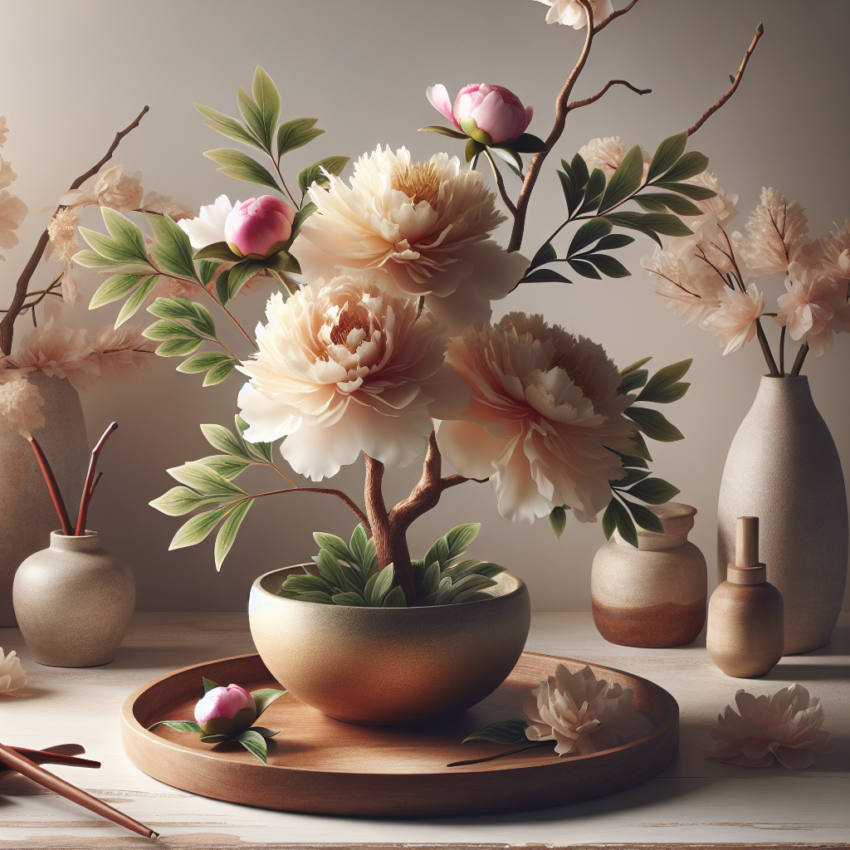
The tree peony is a magnificent plant that brings both aesthetic appeal and potential health benefits to those who cultivate it. Known for its vibrant, large blooms, the tree peony is often considered the king of flowers due to its impressive stature and beauty. Its origins trace back to China, where it has been admired for centuries not only for ornamental purposes but also for its potential uses in traditional medicine.
The Beauty of the Tree Peony
The tree peony, with its luxuriant and colorful flowers, stands out in any garden setting. Unlike herbaceous peonies, tree peonies boast woody stems that allow them to grow taller and bloom more prolifically over the years. Available in a range of colors, including whites, yellows, reds, and purples, their blossoms can reach up to ten inches in diameter, making them a stunning addition to any landscape.
This plant thrives in well-drained soil and partial shade, making it relatively low-maintenance once established. For those interested in enhancing their garden’s aesthetic without constant upkeep, integrating tree peonies could be a rewarding pursuit. Consider exploring efficient irrigation systems to help maintain optimal growing conditions for your tree peonies.
The Benefits of the Tree Peony
Beyond its visual appeal, the tree peony has been celebrated for its potential health-supportive properties. In traditional Chinese medicine, various parts of the plant have been utilized in formulations believed to aid in a range of ailments. While more scientific research is needed, some studies suggest that compounds found in the tree peony may help support a balanced immune system and offer antioxidant properties.
The bark, known as “mu dan pi” in Chinese medicine, is often used in herbal preparations. Historically, it has been sought out for its potential to support anti-inflammatory responses and to help maintain healthy skin. While these uses are promising, it is important to consult with a healthcare professional before incorporating any new herbal supplements into your regimen.
Cultivating Tree Peonies
Growing tree peonies requires patience, but the results are highly rewarding. These perennials can take several years to mature fully, but once they do, they become a staple feature in your garden landscape. Plant them in a location with adequate sunlight and ensure they’re protected from strong winds to prevent damage to their delicate flowers. Understanding the growth habits and requirements of tree peonies will help you cultivate a thriving and vibrant plant.
For best results, plant your tree peonies in the fall, allowing their roots to establish before the growing season begins. Mulch around the base to retain moisture and regulate soil temperature. While pruning is minimal, you may want to remove spent blooms or any dead wood to encourage healthy growth.
The Cultural Significance of Tree Peonies
In addition to their physical beauty, tree peonies hold cultural significance in various regions. In China, they are a symbol of prosperity and honor, often depicted in art and literature as emblems of nobility. Festivals celebrating the tree peony’s bloom are still popular today, demonstrating the enduring admiration for this plant.
Their cultural importance extends beyond China. In Japan, tree peonies are revered for their elegance and grace, often associated with good fortune and bravery. Incorporating tree peonies into your garden not only beautifies your space but also connects you with a rich tapestry of cultural appreciation.
Integrating Tree Peonies in Landscape Design
Tree peonies can be an integral part of a thoughtful landscape design. Their bold colors and unique form make them perfect focal points within beds and borders. Pair them with complementary perennials like irises or lavender to create bursts of color and interest through different seasons.
When selecting companion plants, consider those that thrive under similar conditions. This approach ensures a harmonious garden environment and reduces the need for excessive maintenance. Whether planted as solitary specimens or grouped in clusters, tree peonies add elegance and sophistication wherever they are grown.
As you cultivate your garden, remember that the health of your plants is a reflection of the care and environment they receive. Investing time in understanding the specific needs of tree peonies will reap beautiful and rewarding results.
With their stunning display and potential herbal uses, the tree peony is both a gardener’s delight and an object of cultural fascination. As you plan your garden, consider adding this regal and versatile plant to enjoy its beauty and benefits for years to come.
- Tree peonies bring striking beauty and potential health benefits to gardens.
- Their cultivation can enhance landscape design with low maintenance.
- Tree peonies hold significant cultural value in various regions.
- Best planted in well-drained soil and partial shade for optimal growth.
- Consult with healthcare professionals before using tree peonies for health purposes.
What are the main growing requirements for tree peonies?
Tree peonies require well-drained soil and partial shade. They should be protected from strong winds and mulched to retain moisture and regulate soil temperature.
Can tree peonies be used for health purposes?
While traditional practices have used tree peonies for potential health benefits, it is essential to consult a healthcare provider before using them for medical purposes.
What is the cultural importance of tree peonies?
Tree peonies symbolize prosperity and honor in China, often depicted in art and literature. They are also associated with elegance and bravery in Japan.
How do I integrate tree peonies into my garden design?
Tree peonies can be used as focal points or in conjunction with other perennials like irises or lavender to create stunning garden beds with bursts of color.
Are tree peonies high maintenance?
Once established, tree peonies are relatively low maintenance, requiring minimal pruning. They do need protection from strong winds and adequate sunlight for optimal blooming.